

After twenty years, countless meetings, multiple commissions, endless studies, emotional testimony, and enough bureaucratic delays to qualify for historic preservation status, Miami-Dade’s Center for Mental Health and Recovery is finally moving forward.
Unanimously. After hours of discussion and lots of personal sharing and patting each other on the back Tuesday, the Miami-Dade Commission voted 12-0 (Commissioner René Garcia was absent) to move the mental health facility — which champions claim was mandated by voters in 2004 as part of the Building Better Communities General Obligation Bond and had been rebuilt with $50 million — to be opened.
But let’s be honest. This thing had become inevitable.
By the time commissioners voted, the room had transformed into something between a revival meeting and a victory lap. Mayor Daniella Levine Cava said there had been “an unprecedented outpouring of support” for the facility.”
Other elected officials spoke. Advocates spoke. Religious leaders spoke. Mental-health professionals spoke. Family members spoke. People cried.
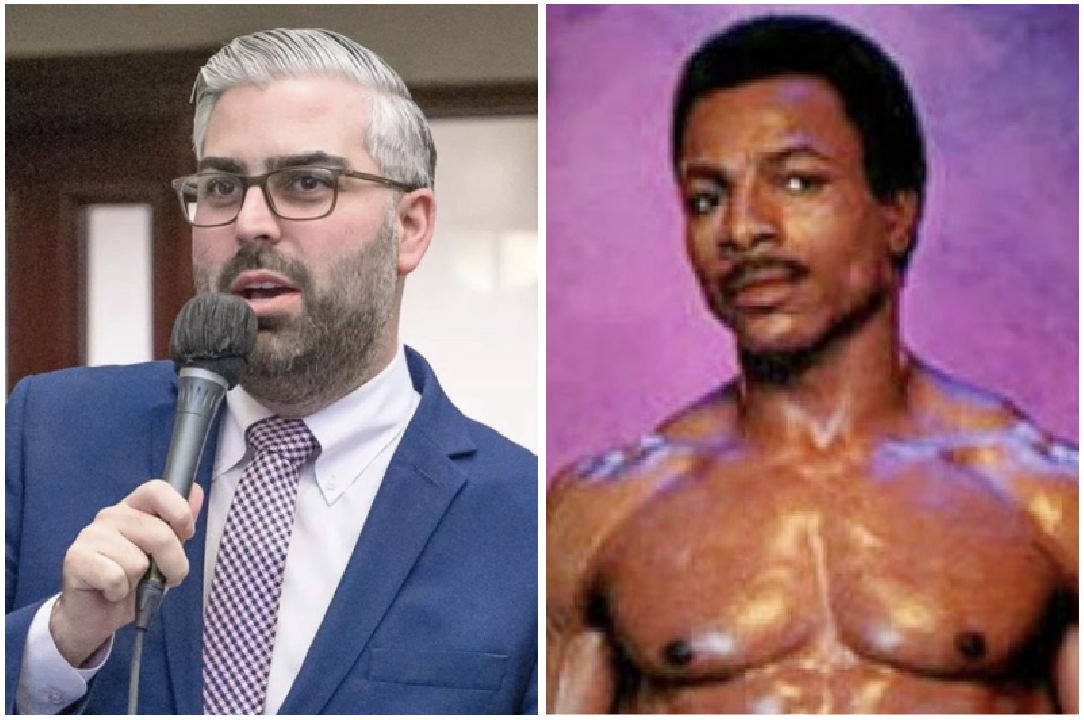
At one point there was even a Rocky III reference that somehow resulted in Commission Chairman Anthony Rodriguez being compared to Apollo Creed.
Ladra is not making this up. Government meetings are weird.
Read related: Miami mental health center finally has the votes. But does it have a plan?
Retired Miami-Dade Judge Steve Leifman, who has spent the better part of two decades trying to get this facility built and opened, didn’t even need to speak. The support in the room was overwhelming. The retired judge simply waived in support and watched as years of work finally crossed the finish line.
And honestly? Good for him. Leifman has probably forgotten more about Miami-Dade’s mental-health crisis than most politicians will ever know.
Nobody doubts the problem. Nobody doubts the suffering. Nobody doubts that mentally ill people often end up cycling through jails, courtrooms, emergency rooms and homeless encampments because the system has nowhere else to send them.
The need is real. The mission is noble. And the goal is difficult to oppose.
Which may explain why only one public speaker bothered to cast some doubt on the whole shebang.
Marivi Betancourt, an emergency room and sexual assault nurse who serves on the county’s domestic violence oversight board, came armed 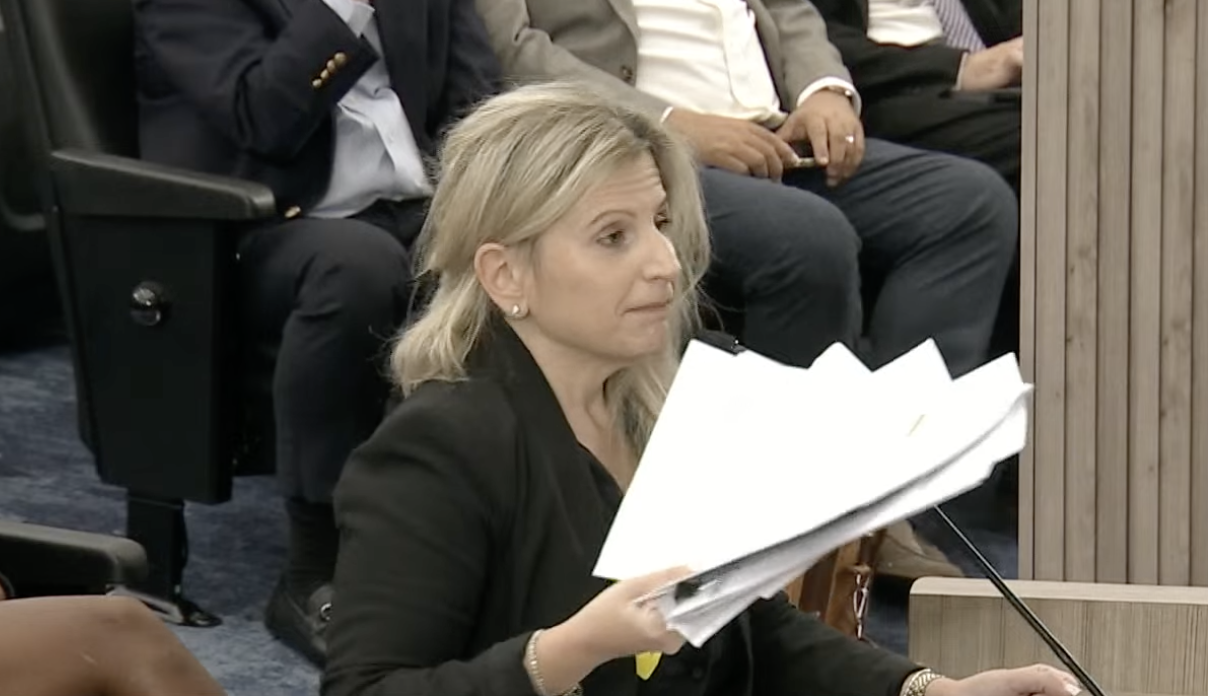 with questions about actual medical needs and data and, most interestingly, documents that show that the center’s poster child — a man who had beaten a woman “in broad daylight” in Brickell and stabbed her with a shank, a homeless man who had been held up as an example by everyone, a man who Commissioner Vicki Lopez said may not have committed this crime if he had the mental health center available — had already passed through Leifman’s “Miami model” in 2021.
“I can’t help but think this wouldn’t have happened if the assailant had come through the mental health system,” Lopez said, clueless.
Wrong. Raydeen Johnson had extensive competency and psychological-evaluation docket activity from 2021 through 2025. Didn’t take.
Read related: The debate about the Miami Mental Health Center can drive anyone crazy
Ladra has a lot of other questions, old and new, like: Who gets admitted? Who decides who gets admitted? What happens when the beds fill up How many of the residents will be homeless? What happens if the center gradually evolves into something very different than what was originally promised? What happens if we suddenly see a spike in 911 calls for mental health reasons or an uptick in Baker Act cases? Has anybody thought of that potential inadvertent outcome?
And, por supuesto, the same lingering uncertainty: Who’s paying for all this five years from now?
Because despite all the applause and self congratulations last week, nobody actually answered that one. Not really. The county’s own projections show the facility eventually operating with a multi-million-dollar annual funding gap. The deficit reaches approximately $12 million by Year Five. Ladra sees a repeat of last year’s non-profit scramble in the making.
Supporters remain hopeful that federal grants, state money, philanthropy and other funding sources will materialize.
Maybe they will.
Maybe they won’t.
Ladra has more confidence in the possibility that the powers that be are already dreaming up a Mental Health Trust, like the Homeless Trust and the Children’s Trust, to siphon off tax dollars before the commission can even make that decision.
But, heck, buy now pay later, right? It’s the American way.
Commissioner Danielle Cohen Higgins summed up the prevailing attitude rather succinctly when she acknowledged that difficult decisions are 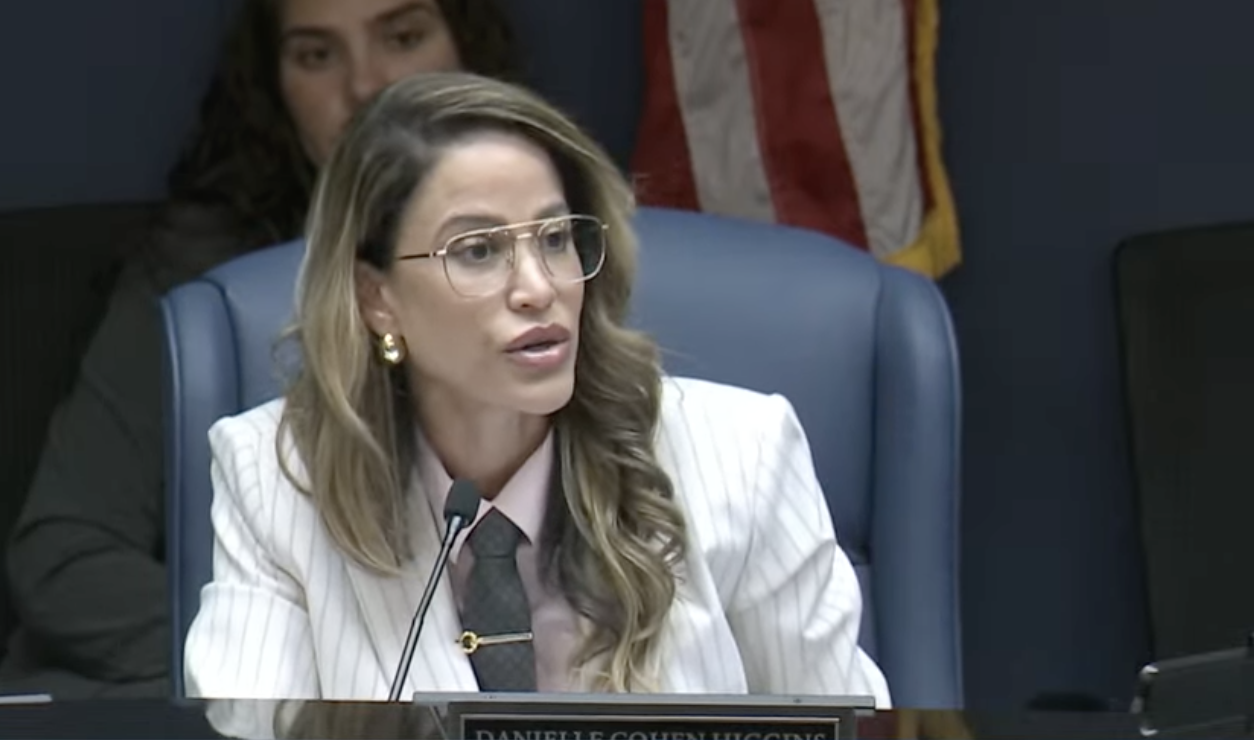 coming — “and we will cross that bridge when we get there.
Which, to be fair, is how Miami-Dade has financed many things over the years.
Cohen Higgins got choked up at one point talking about her brother’s battles with mental health issues and drug addition. “We lost him to substance abuse,” Cohen Higgins said. Someone handed her a tissue, but she set it down.
Big girls cry out in the open.
Lopez had a sob story of her own, though her former addict of a sister is still with us. “Fortunately, she got the help she needed,” Lopez said. Her sister has been sober for 26 years, she added.
But nobody ever said this was not needed. In fact, more is needed to treat people with mental health issues before they reach the law enforcement level, which is why this seems so self-serving. This mental health center is a jail diversion facility with a scant 75 beds. That’s one of the reasons why some commissioners spent months pushing for stronger accountability measures before they could support the project.
Read related: Miami mental health center becomes political football over operation costs
Frankly, Ladra thinks Commissioner A-Rod — automatically re-elected this year with no opposition — just folded because he knew the votes were there to approve it. Why be on the losing side? Cohen Higgins does have an election and likely weighed the scenario of negative attack mailers calling her a monster who didn’t want to help the most vulnerable. Why invite that?
To his credit, though, Rodriguez extracted additional reporting requirements, financial oversight provisions and performance metrics before bringing the item back for approval. He put in a competitive process for an outpatient treatment center on the 7th floor and got a bigger commitment from the Homeless Trust, almost $2.5 million. He said that staff at Jackson Health had provided “an extra set of eyes” in oversight.
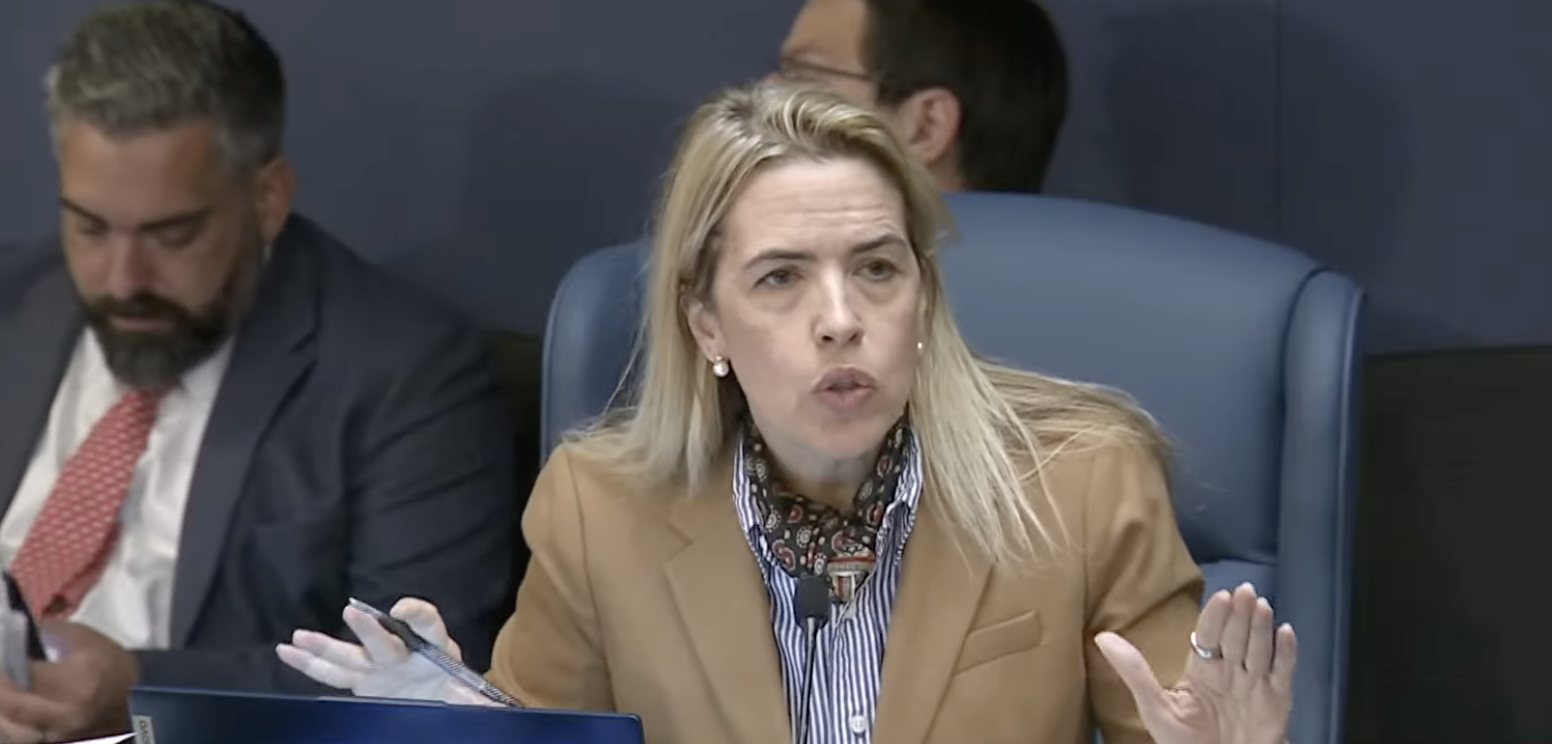 And he was credited by many of his colleagues — snatching the victory from Raquel Regalado, who had been pushing for the center for years — for bringing in those safeguards and additional benefits. In other words: It made the deal easier to swallow.
More accountable. More defensible. More politically survivable.
Still, everybody knows that Miami-Dade has a habit of creating new institutions before fully explaining how they will be sustained decades into the future.
First comes the ribbon-cutting. Then comes the board. Then comes the consultants. Then comes the annual budget request. Then comes the supplemental budget request. Then comes the emergency budget request. Then comes the realization that what began as a question mark has become a permanent obligation.
Maybe this center will be different. Maybe Leifman and his supporters will secure enough outside funding to make the financial concerns disappear. Maybe Miami-Dade really is about to become a national model for treating mentally ill offenders before they end up trapped in the criminal justice system.
Ladra sincerely hopes so. Because unlike many government boondoggles, this one is rooted in a genuinely compelling humanitarian mission. Once this center opens, failure is no longer an option. Nobody is going to shut down a mental-health facility serving vulnerable residents because the grants didn’t arrive. Nobody is going to tell families, judges, police officers and healthcare providers that the center has to close because the budget got tight.
Once the ribbon is cut, the county owns the obligation.
“It’s not a pilot program. It’s not,” stressed Commissioner Lopez, who seemed like she was trying to convince herself. “It is a solution and we are 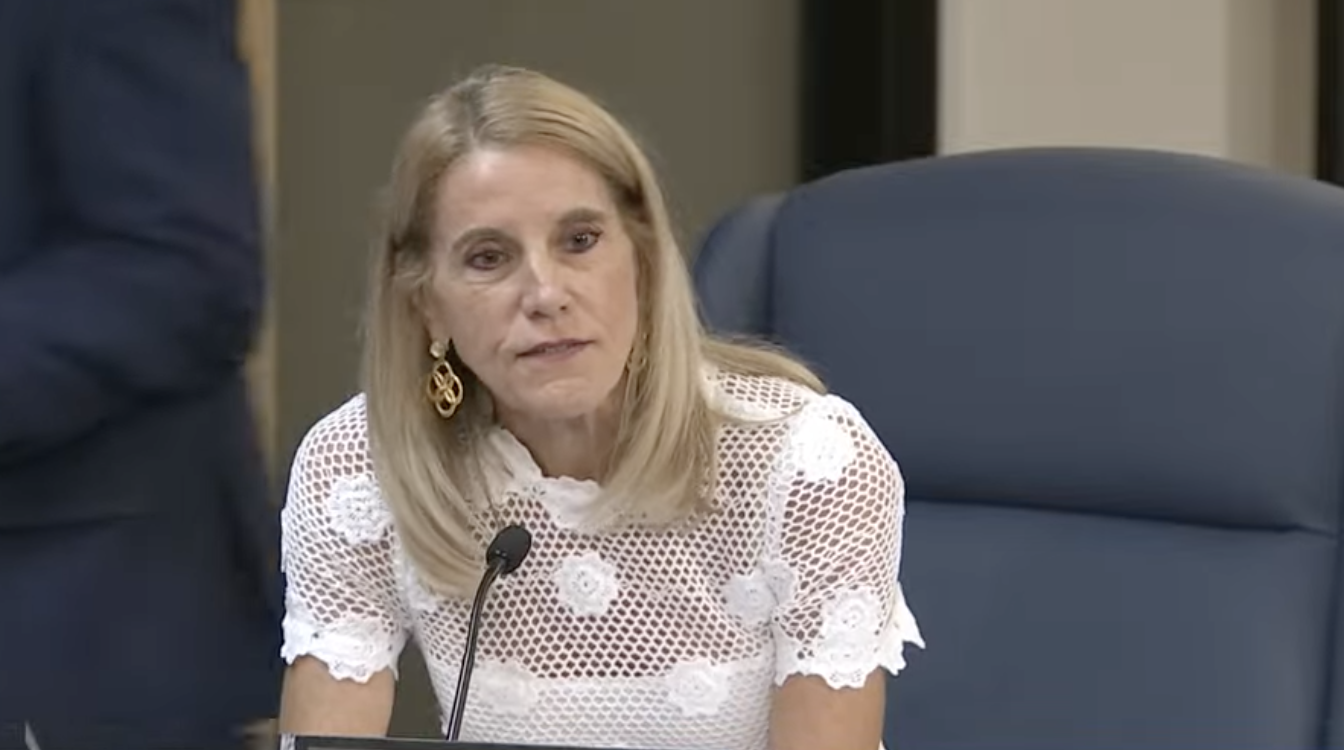 obligated… to provide services for the most vulnerable in our community.
“It will be forever and ever, amen.”
But while commissioners spent hours Tuesday discussing treatment, recovery and hope, one stubborn reality remained sitting quietly in the back of the room: The center now has approval. The center now has momentum. The center now has political support. The center now has a future.
What it still doesn’t have is a permanent funding source.
And eventually, probably sooner than anybody wants to admit, that conversation is coming.
Just not yet.
Tuesday was for applause.
The bill arrives later.
This kind of independent, government watchdog reporting is crucial to transparency and democracy. And more so every day. Help shine a light on the darker corners of our community with a contribution to Political Cortadito. Click here. Ladra thanks you for your support.

Miami mental health center is finally approved — but the bill comes later added by Ladra on
View all posts by Ladra →