

For four hours on a recent Wednesday, Miami-Dade commissioners sat around the dais debating the future of a mental health facility everybody claims they desperately want to open but nobody wants to fully pay for. And somewhere in the middle of all the speeches about compassion, fiscal responsibility, sustainability and “mission alignment,” an uncomfortable truth finally started creeping into the room: The Miami Center for Mental Health and Recovery is most likely getting opened.
Eventually. Probably. Maybe.
Which, by Miami-Dade standards, practically counts as a breakthrough.
The special Committee of the Whole meeting called by Commission Chairman Anthony Rodriguez May 13 was supposed to help commissioners grapple with the long-stalled seven-story facility that has already cost taxpayers more than $50 million to build but remains dark because the county still hasn’t committed to permanent operations funding.
Estimated to cost just short of $40 million to cover two years of operations and maintenance, startup funding for the first 2-3 years has been secured through national opioid settlements and federal grants. But after that? Nobody knows.
Read related: Miami mental health center becomes political football over operation costs
The question at the Committee of the Whole meeting seemed to shift from “should we open it” to “who will pay for it.”
Even Rodriguez — who has become the procedural gatekeeper keeping the legislation from reaching a final commission vote — sounded less like someone trying to stop the project and more like someone trying to avoid owning its future budget headaches.
“I have faith that it will be opened,” he said.
But wait. Because just when it looked like commissioners were inching toward the beginning of a possibility of a concept of a plan, Chairman 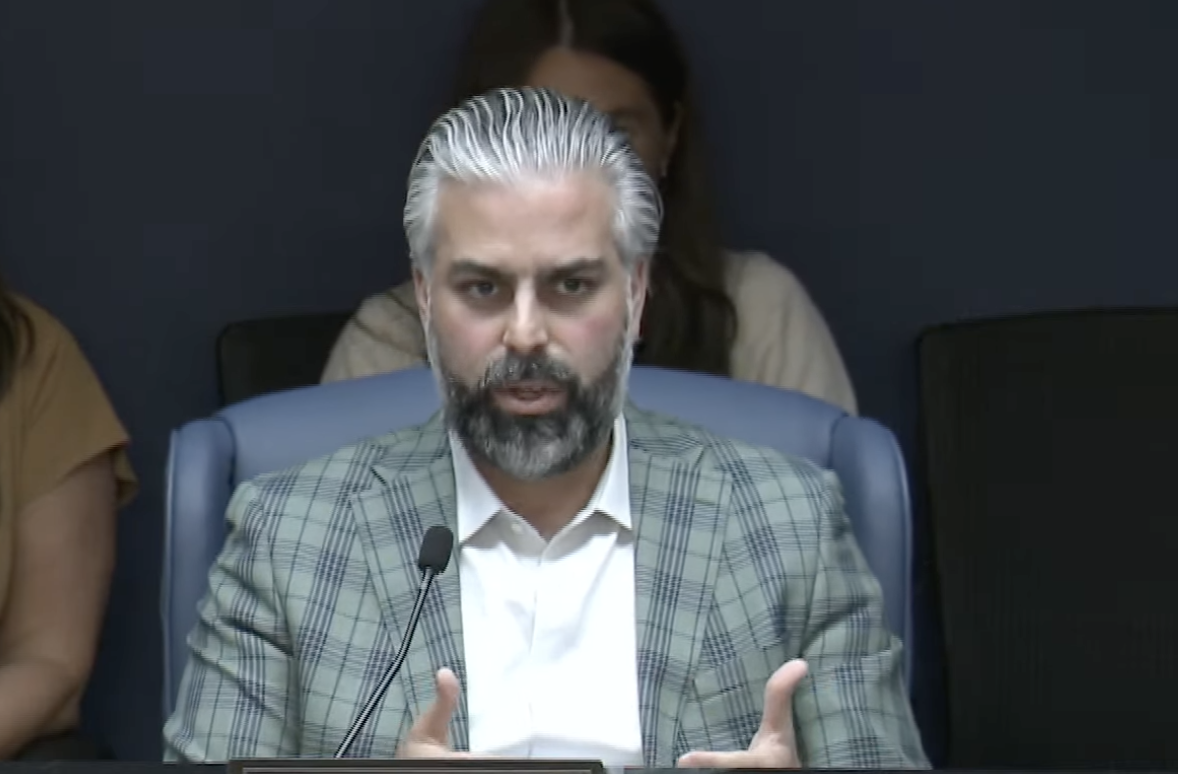 Rodriguez hit the brakes again last week — six days after that meeting — this time by sending the entire project off for yet another review. This one from Jackson Health System, which, under Community Health Services, are the people who provide mental health services to inmates now in collaboration with the county’s corrections department.
Rodriguez said he walked out of the Committee of the Whole meeting with new questions and thinks a review by Jackson will answer them. “So that this body can make the decision with all the information necessary when that report is in our hands,” he said.
The chairman’s motion, approved by a majority of commissioners despite visible frustration from Commissioner Raquel Regalado, directs Jackson to conduct an “independent assessment” of the facility’s proposed operations, staffing, service levels and long-term financial sustainability before commissioners consider final approval next month. Maybe.
Even Commissioners Oliver Gilbert, who had earlier in the month said “the numbers don’t have to be right if the mission is righteous,” and Vicki Lopez, who said, “The thought that this should be self-sustainable is ridiculous,” — both of them basically saying to stop pretending spreadsheets are more important than mentally ill people rotting in jail cells — voted to get the additional report. Because more information is more information, amirite?
Rodriguez framed the move as responsible governance, saying he remains committed not simply to opening a mental health facility, but ensuring it has the “structure, resources, operational support, and long-term planning needed to provide sustainable, high-quality care.” He says the review is necessary to protect taxpayers, ensure accountability and avoid future operational shortfalls.
And he’s not wrong. Once this thing opens, the county is married to it financially for decades. The annual operating costs are projected in the tens of millions, and commissioners are increasingly realizing the facility is less of a ribbon-cutting opportunity and more of a permanent budgetary hostage situation.
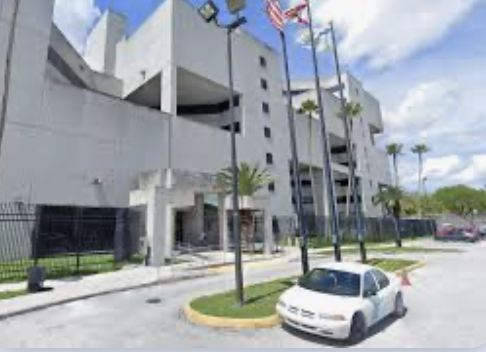 The chairman also has more street cred on this issue now that he’s actually visited the Turner Guilford Knight Correctional Center. What a concept. Ladra thinks he is the only elected to actually put boots on the ground. At the Committee of the Whole meeting, he told his colleagues about the experience touring both the men’s and the women’s mental health floors.
“Look, it’s a sight that nobody wants to see. I don’t think I was functional the rest of that day. Perhaps the week,” A-Rod said. “But I was pleasantly surprised as to the work that both our corrections department and CHS, the Jackson team, are doing. It surprised me and it shouldn’t have because for a decade, or two decades, we were in a consent decree and the fact that we were released from that consent decree last year I think speaks volumes as to the work that both corrections the department and CHS is doing.”
He said staff walked him through the facility “from how patients are assessed and treated” and told him where they had made progress, “and where it lacks.” One thing that stood out were the 65 images currently awaiting a competency hearing who need to be transferred to a state hospital. The average wait he said, is four to six months. “None of these inmates would quality to go to this facility. These inmates would have to go to a state hospital,” Rodriguez said, adding that he asked his staff to look into legislation that would give the county the state accreditation to serve those inmates.
“One thing I learned is that we’re equipped. We’ve got the know how. We’ve got the tools,” he said.
That Committee of the Whole meeting also drilled down on some details that are sketchy af. One mind blowing point: The center, at 2200 Nw 7th Ave., would open initially with 75 beds. Rotated quarterly, that means 300 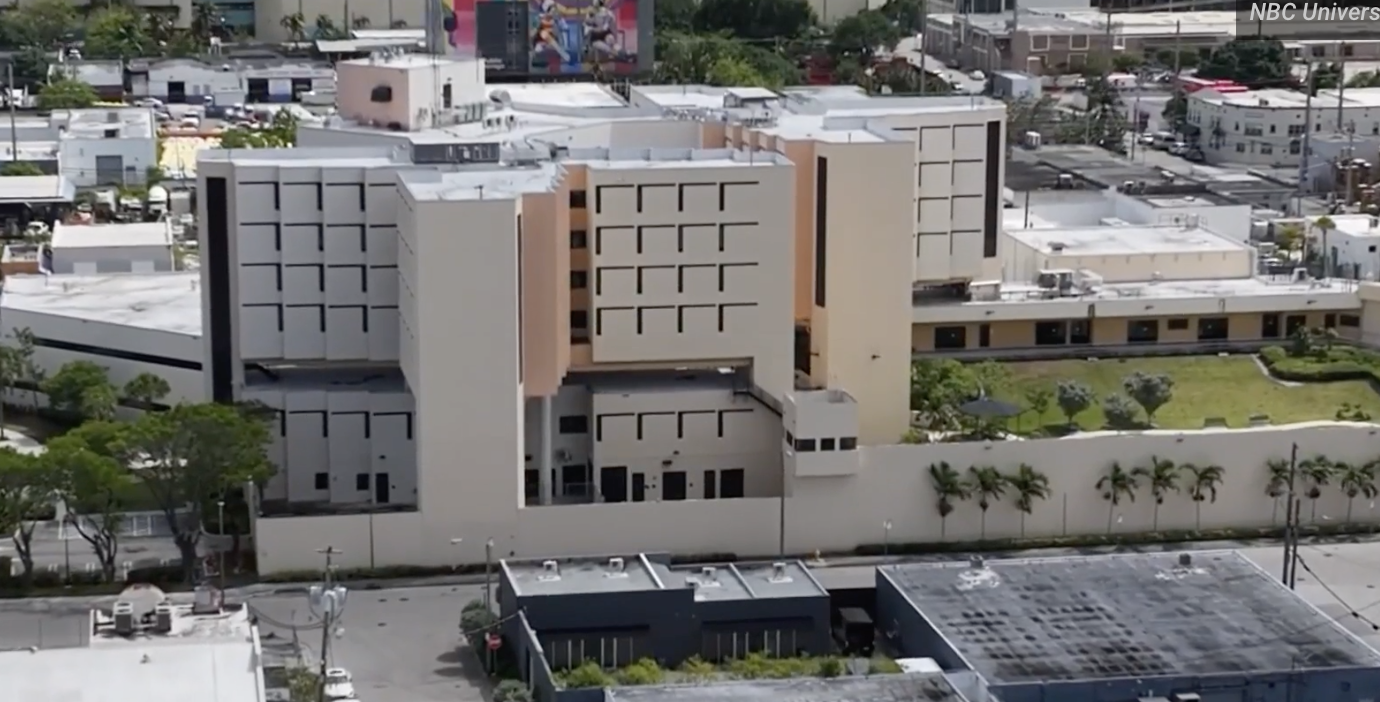 people would go through the diversion part of the mental health center a year. Not 3,000. Not 30,000. Three hundred.
Supporters don’t even bat an eye when saying this and, in another breath, that it’s a tiny drop in the bucket. There are at least 1,800 current inmates who would qualify for the program, according to multiple reports. Ladra would guess there are more.
For many people, that might have been a non starter right there. But there’s so much political pressure to open this place based on a vote that happened more than two decades ago, for a system that has been released from a federal settlement consent decree — placed in 2013 after the U.S. Department of Justice found constitutional violations — that it looks almost inevitable. And sorta insane, with my apologies to people who are actually mentally ill, especially those who won’t be served by this boondoggle.
Because the only way to get into one of those 75 beds is to get arrested.
Critics — who are immediately demonized in the press and social media — are afraid of taxing the county’s thinly-stretched budget even more, especially as the state discusses eliminating some of the homestead tax revenue. Some have told Ladra that they fear Leifman is trying to set up a “mental health trust” like the Homeless Trust to constantly drain tax dollars.
Read related: Facing $400M budget shortfall, Miami-Dade cuts senior meals, lifeguards, more
These skeptics, who include medical professionals, also say things have changed a lot in the jails since the public voted for this in 2004 when they passed the Building Better Communities general obligation bond. The actual ballot question: “To fund community outreach, healthcare and public safety facilities, construct and improve outreach, family, child, and mental health facilities, including a mental health jail diversion program; and to promote accessibility to quality, affordable healthcare and social services.”
Nothing about a spa for criminals that would perpetually be funded by taxpayers.
Critics also say that the county should look at repurposing the building to not only serve as a diversion center for inmates with mental health issues but as a recovery center for non-criminals who also need help and cannot get it anywhere. Homeless. Domestic violence victims. That tio down the street that howls at the moon every night at 2 a.m.
Why do they have to get arrested first to get help?
But supporters of the project see the chairman’s move to seek yet another report as yet another procedural detour for a project that has already spent years trapped in bureaucratic purgatory while mentally ill inmates continue cycling through Miami-Dade jails, emergency rooms and homeless encampments.
Regalado, who has been pushing to finally move the item toward approval and seemed visibly irritated that the goalposts had 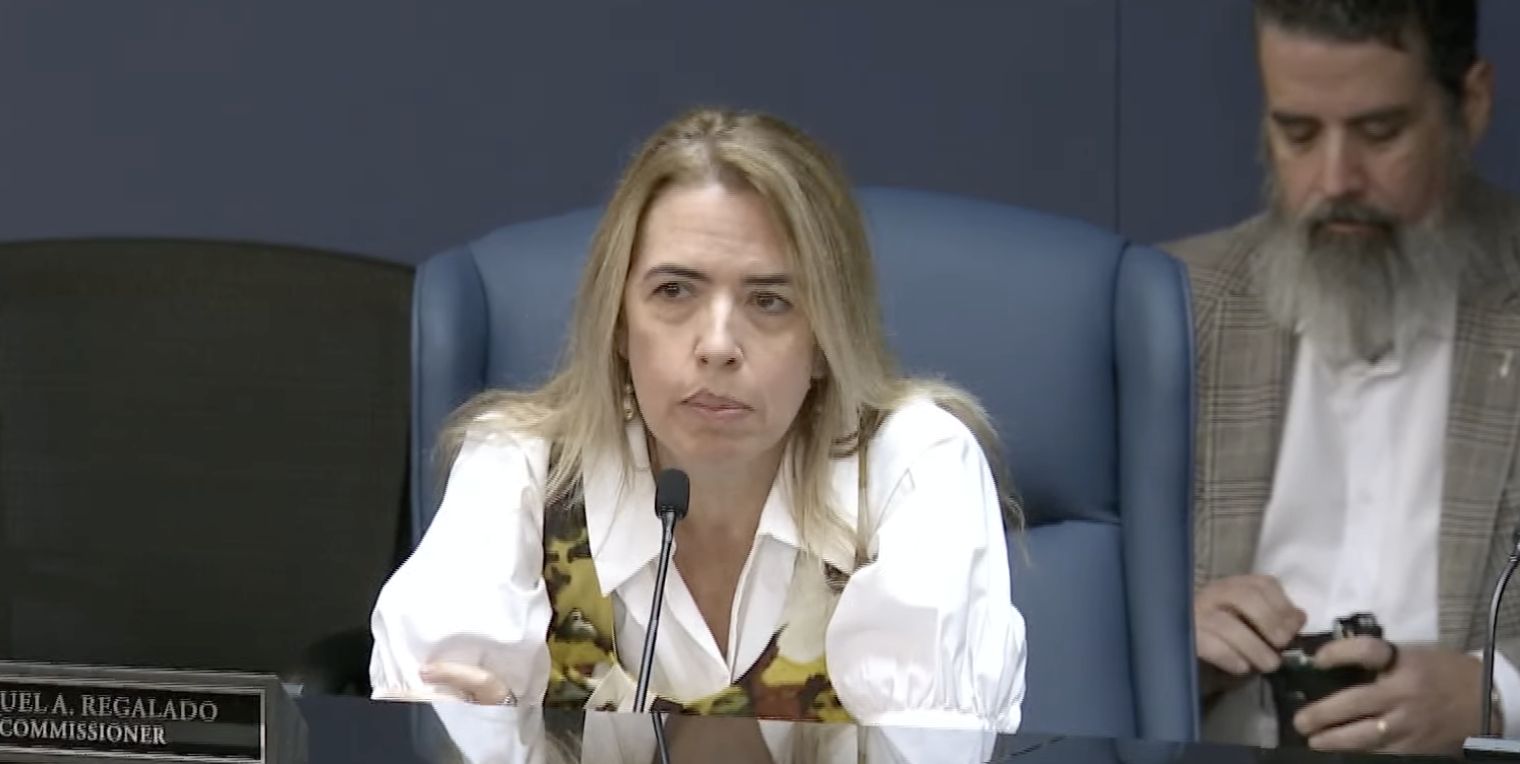 once again been relocated somewhere near Homestead. She asked for a vote on it when the report comes back on June 19.
Said Rodriguez: “That’s still at my discretion, but it’s my intent.”
To be fair, the questions Rodriguez is asking are not crazy. What they are is very late.
The county already built the thing. Already approved the vision. Already spent the money. Already told the public this was the future of behavioral health diversion. And now — after the building is complete — commissioners suddenly want independent verification that the business plan makes sense?
Spoiler alert: It doesn’t. It never will.
This is the governmental equivalent of buying a yacht and then asking whether you can afford gas. Of course they can’t afford gas. Did Ladra mention that this facility will treat 75 people at a time, rotating them every 90 days or so, for a total of 300 people annually at an operational cost that starts venturing into luxury-condo territory per patient?
At some point, taxpayers are allowed to ask whether Miami-Dade built a behavioral-health facility or the world’s most expensive group therapy session.
Read related: Miami Mayor Eileen Higgins wants a half a billion dollars for public safety
And that’s where the politics start getting dangerous.
Because supporters of Judge Steve Leifman’s original vision see the project as a moral imperative — a desperately needed alternative to criminalizing mental illness. They argue the county already spends astronomical amounts incarcerating mentally ill individuals and cycling them through crisis systems that solve nothing. They paint any criticism as cruelty. It’s not.
They also worry the prolonged delays are creating opportunities for politically connected healthcare players to eventually carve up pieces of the operation under the banner of “public-private partnership.” It might.
Meanwhile, skeptics increasingly want hard numbers, measurable outcomes and guarantees the facility will not become another endlessly expanding government operation with permanently escalating costs and no political off-ramp.
Commissioner Danielle Cohen Higgins — one of the leading voices warning about future deficits and taxpayer exposure — 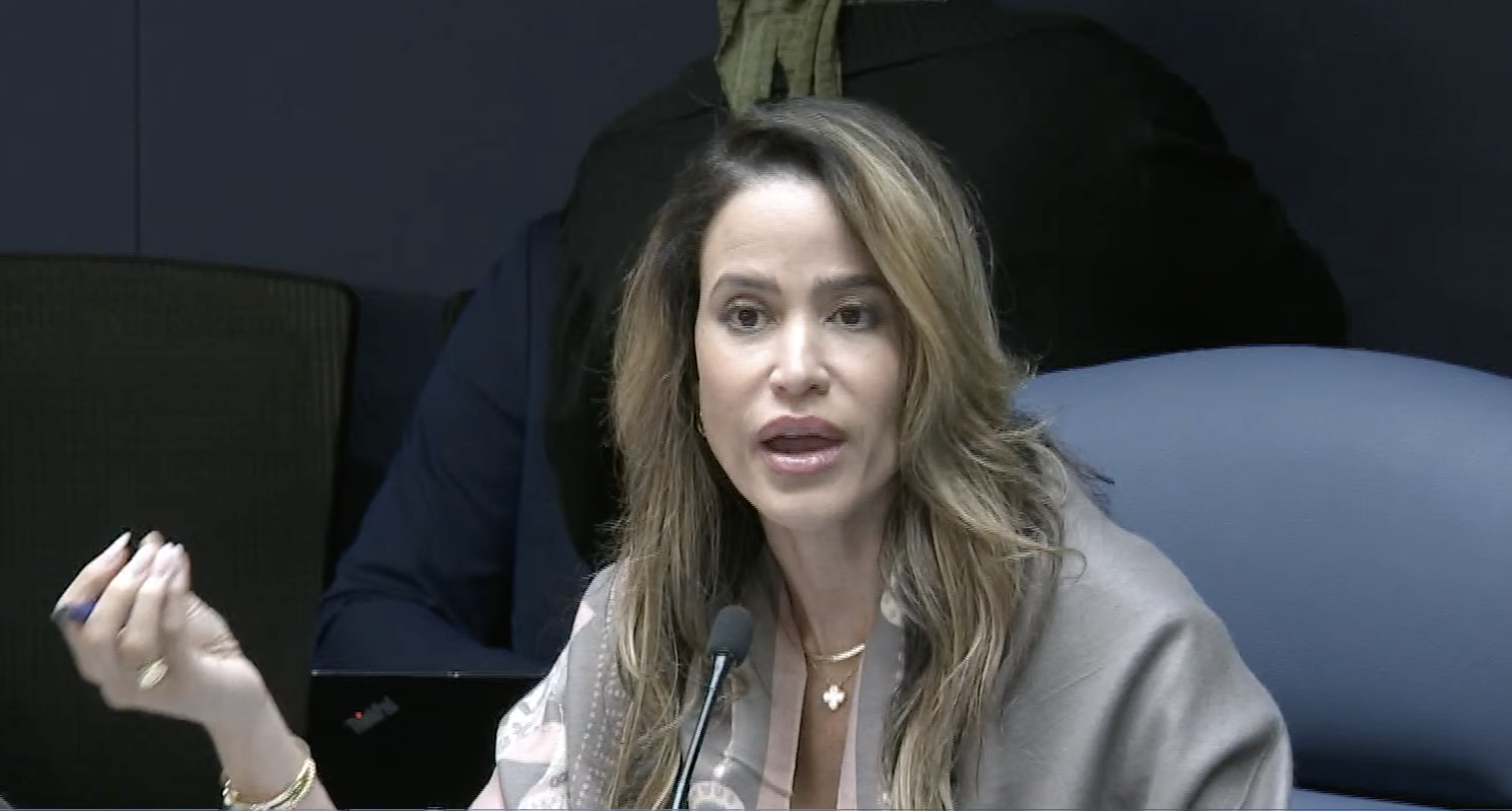 continued pressing for long-term funding accountability. But even her rhetoric seemed to shift at the Committee of the Whole meeting. Instead of questioning whether the facility should open, Cohen Higgins started talking about what politically popular county spending might need to be sacrificed to fund it. She floated the possibility of cutting discretionary spending priorities, including her own Hometown Heroes parade, Rodriguez’s rodeo events and Commissioner Regalado’s support for The Underline.
That’s not opposition anymore. That’s budget triage. And suddenly things got very real.
Once commissioners start openly discussing which pet projects get thrown overboard to keep the mental health center alive, they’ve essentially admitted the facility itself is no longer the political problem. The real fight now is what comes after the ribbon cutting.
Which is why Rodriguez’s Jackson review matters politically. It gives commissioners cover. Cover to delay. Cover to demand changes. Cover to restructure operations. And perhaps most importantly, cover to revisit who ultimately controls the facility itself.
Because lurking underneath all the talk about “accountability” and “sustainability” is the increasingly obvious power struggle over future contracts, healthcare partnerships and operational authority. There’s already been one private vendor who’s waded in — even though they seem to have  skedaddled the second they saw what a shit show this has become.
But don’t nobody kid themselves: The longer this drags out, the more people circle the project. Private operators. Hospital systems. Behavioral-health vendors. Nonprofit providers. Consultants. Administrators. Lobbyists. Everybody will suddenly have all kinds of ideas about how to handle this.
In Miami-Dade, once recurring government money starts flowing, the feeding frenzy is never far behind.
The irony, of course, is that by the time this place actually opens, half the commission may qualify for involuntary commitment themselves after surviving years of hearings about it. At this point, somebody should probably just reserve a few observation beds for exhausted reporters and commissioners suffering acute procedural trauma.
Because if there’s one thing Miami-Dade government has proven beyond any doubt, it’s this: The Miami Center for Mental Health and Recovery may not be operational yet. But the madness is already fully up and running.
This kind of independent, government watchdog reporting is crucial to transparency and democracy. And more so every day. Help shine a light on the darker corners of our community with a contribution to Political Cortadito. Click here. Ladra thanks you for your support.

The debate about the Miami Mental Health Center can drive anyone crazy added by Ladra on
View all posts by Ladra →