
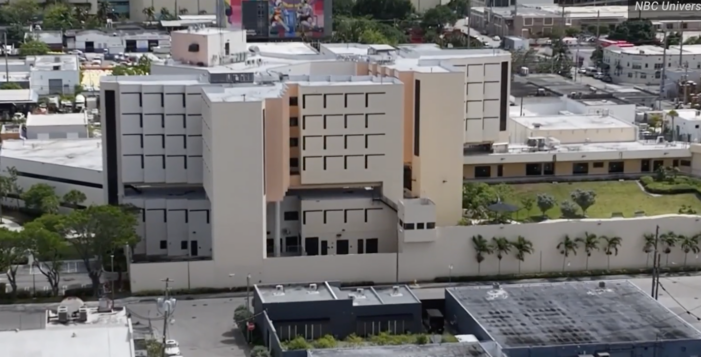
For years, Miami-Dade politicians have stood behind serious podiums promising to finally stop using the county jail as South Florida’s largest mental health institution.
They held press conferences. They commissioned studies. They praised Judge Steve Leifman’s nationally celebrated diversion initiatives. They talked compassion. Reform. Innovation. “Transformational investment.”
Then they built the Miami Center for Mental Health and Recovery. The ribbon-cutting speeches are practically written. The consultants have all been paid.
But the doors remain locked because nobody can figure out how to fund it past the two-year pilot program.
More than $50 million in public money later, the building, at 2200 NW 7th Ave., now sits finished and eerily quiet — a seven-story monument to Miami- Dade government’s favorite pastime: congratulating itself before figuring out how to pay the electric bill.
And on Wednesday, that entire unresolved mess comes crashing into a special Committee of the Whole meeting convened by Commission Chairman Anthony Rodriguez, who now finds himself presiding over one of the county’s most politically delicate and quietly combustible fights — and one of its most quietly embarrassing political stalemates.
The meeting is expected to bring commissioners, administrators, behavioral health advocates, Leifman and his supporters into the same room for what will likely become a familiar Miami ritual: everyone agreeing the project is absolutely essential while simultaneously arguing about who has to pay for it.
Because this battle stopped being just about mental health a long time ago. It’s not about whether the center should exist. It’s not whether Miami-Dade has a mental health crisis. It’s not whether mentally ill people belong in treatment instead of jail.
Now it’s about money. Control. Contracts. And who ultimately gets to run one of the largest behavioral health operations Miami-Dade has ever created.
Officially, the dispute is about long-term operations funding.
Read related: Facing $400M budget shortfall, Miami-Dade cuts senior meals, lifeguards, more
The center was built largely with voter-approved bond money and other capital funding sources. Construction? No problem. 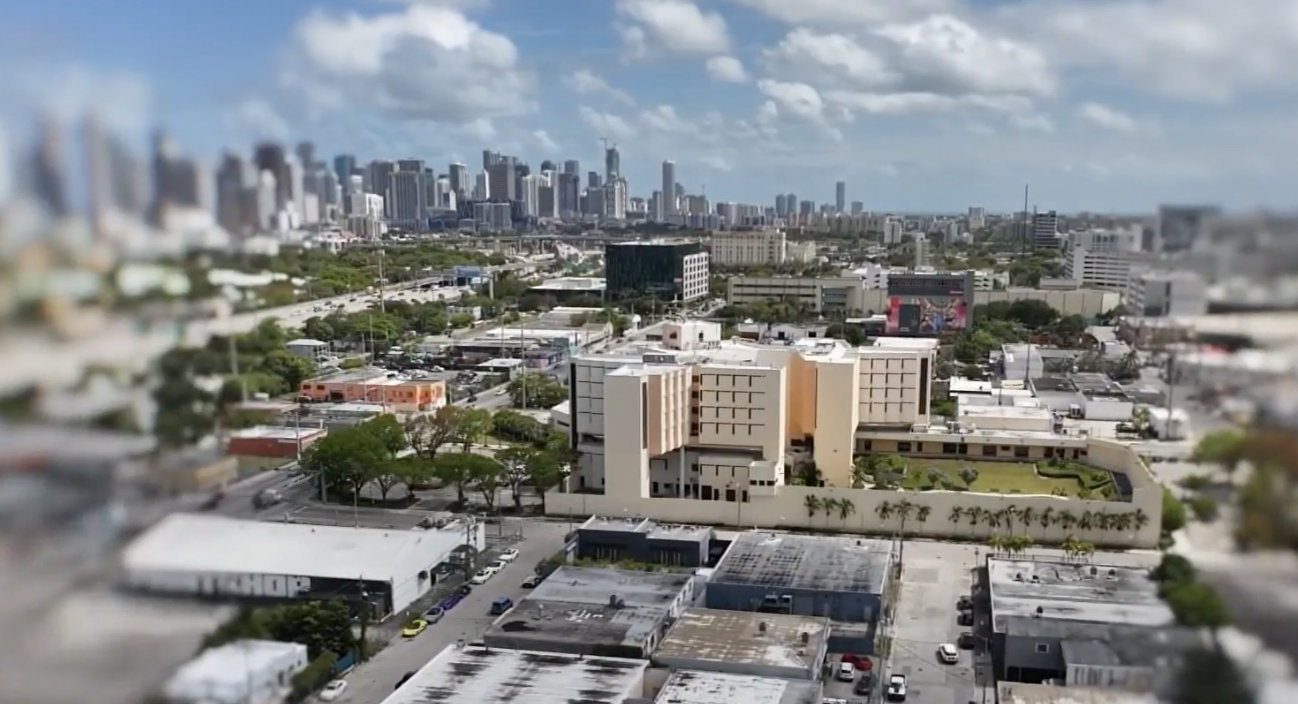 Miami basically runs on concrete mix.
But operating the facility — staffing it, maintaining it, providing treatment services, security, housing coordination and medical care year after year — comes with a multi-million-dollar annual price tag that commissioners suddenly seem less enthusiastic about. The federal funding and opioid settlement money will run out in two years.
That’s where the commission started fracturing.
On one side are the Leifman supporters, behavioral-health advocates and commissioners who argue the county is already spending enormous sums warehousing mentally ill individuals in jail cells, emergency rooms and homeless encampments. They insist the center will ultimately save taxpayer money while addressing a humanitarian disaster Miami-Dade has ignored for decades.
Those commissioners include Commissioners Raquel Regalado and Oliver Gilbert, both of whom have supported efforts to move the project toward operation instead of endless delay.
Their argument is simple: the county already paid for the facility, already sold the public on its necessity and already built the thing. Keeping it closed while mentally ill inmates continue cycling through the jail system makes no fiscal or moral sense. NBC6 Miami recently reported about a homeless man who was repeatedly arrested and got a brain injury in a fight with another inmate. Both had been deemed incompetent to stand trial.
Advocates point to that and say they want to start the pilot program and figure out what to do when the money runs out later.
Then there’s the other faction. The skeptics. The commissioners asking what happens after the temporary funding streams disappear.
Commissioner Danielle Cohen Higgins has emerged as one of the leading voices demanding long-term guarantees before fully 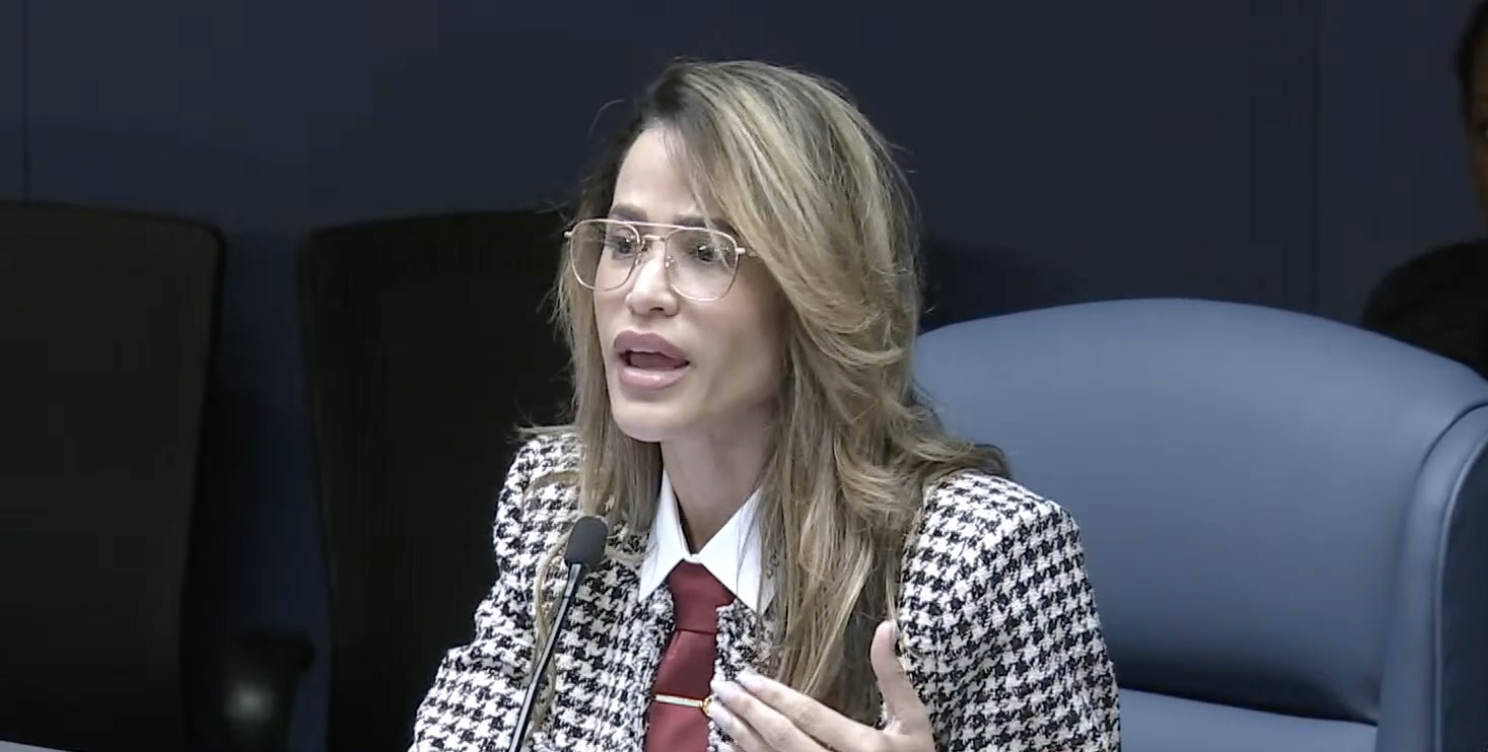 committing county taxpayers to the project’s operational costs. She has pushed for financial participation from municipalities like Miami and Miami Beach, arguing those cities benefit from diversion services too and should share the burden. She also wants to know, facing a brutal budget season, what programs will be cut to fund it in the future and thinks a 10-year plan is more appropriate — and serious.
Her supporters call that fiscal responsibility and say she is one of the few people in the room asking the right questions. Her critics call it strategic delay.
Because while the public debate has focused on “sustainability,” another conversation has been unfolding more quietly behind the scenes — one involving private operators, healthcare systems, for-profit vendors and hybrid management proposals that could fundamentally reshape who controls the facility once it opens.
And suddenly the politics get very Miami.
Over the past few months, the talks have turned to whether the county should continue with the original nonprofit operating structure envisioned by Leifman’s camp or move toward some form of public-private partnership designed to reduce county exposure.
But any entity that absorbs pieces of the responsibility could also get pieces of the power.
That’s where suspicions come in.
Supporters of the original model fear the prolonged delays are creating an opening for politically connected healthcare players, outside management groups or vendor ecosystems to eventually gain influence over portions of the operation. The concern isn’t merely ideological. The facility represents years of recurring contracts, staffing agre ements, treatment programs, housing coordination, consulting work and administrative control.
Miami-Dade Mayor Daniella Levine Cava has publicly stated support for the non-profit two-year pilot program. Por supuesto. Put the words “non profit’ in something and she’s all in.
But Ladra suspects another trust — like the Homeless Trust, the Children’s Trust — in the making.
Read related: Miami-Dade budget restores 100% funds to non-profits = self preservation
Of course, publicly, everyone still supports the mission. Nobody wants to be the commissioner accused of opposing mental health treatment. Nobody wants headlines about abandoning the mentally ill. So instead, the fight gets wrapped in softer language: accountability, partnerships, sustainability, intergovernmental cooperation.
Meanwhile, the building remains closed.
And that contradiction has become increasingly awkward for county leaders. Because every month the facility sits empty, the county continues paying for the exact system this project was supposed to fix: mentally ill individuals cycling through arrests, jail housing units, crisis calls and emergency rooms at enormous taxpayer expense.
Which is why Wednesday’s meeting matters.
This is no longer just another workshop. Commissioners are running out of procedural off-ramps. Eventually, somebody has to decide whether Miami-Dade actually intends to open the Mental Health and Recovery Center under the original vision — or whether the project evolves into something very different.
The deeper tension hanging over the meeting is this: Was the county building a public mental health safety net? Or was it building a future operational empire?
Because in Miami-Dade, the hardest fights rarely happen over whether to build something.
The real war starts after construction ends.
This kind of independent, government watchdog reporting is crucial to transparency and democracy. And more so every day. Help shine a light on the darker corners of our community with a contribution to Political Cortadito. Click here. Ladra thanks you for your support.

Miami mental health center becomes political football over operation costs added by Ladra on
View all posts by Ladra →