

There are still many unanswered questions
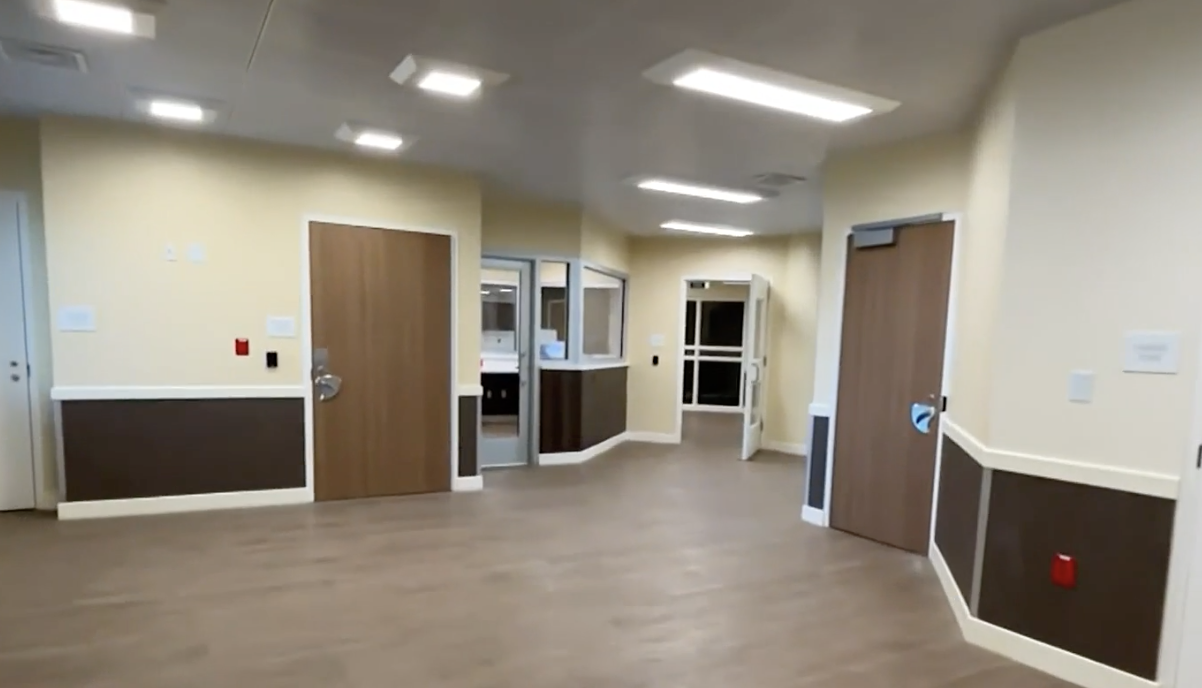
The Miami-Dade County Commission is expected to finally approve the controversial Miami Center for Mental Health and Recovery on Tuesday after months of debate, delays and handwringing.
Not because all the questions have been answered. Because the votes are there.
And because Commission Chairman Anthony Rodriguez, who had previously expressed concerns about the project, stepped in with a last-minute resolution designed to add guardrails, oversight and accountability to what could become one of the county’s most expensive ongoing commitments.
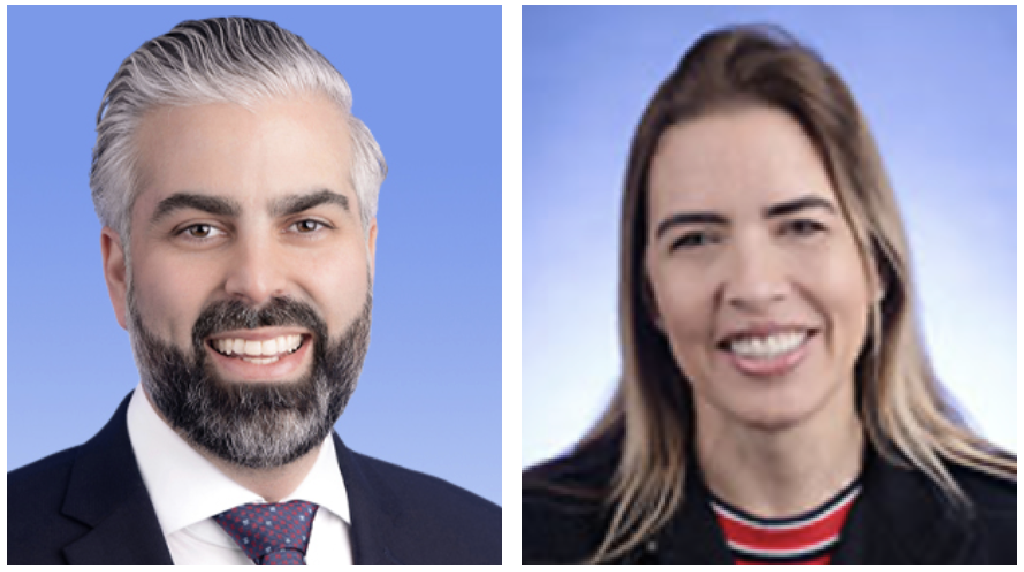 Notice whose name is on the resolution. Not Commissioner Raquel Regalado‘s.
Regalado has been the project’s loudest champion from the beginning, pushing relentlessly to convert the former state-owned forensic treatment hospital into a mental health treatment facility. But it is Rodriguez’s measure that appears poised to cross the finish line, largely because he recognized something that had become increasingly obvious: The project was going to pass anyway.
If you can’t stop the train, you try to install some brakes.
Read related: The debate about the Miami Mental Health Center can drive anyone crazy
“Supporting the center does not mean writing a blank check,” Rodriguez wrote in an op-ed in The Miami Herald.
“As chair of the Miami-Dade County Commission, I believe we have a responsibility to make sure this facility succeeds not just on opening day, but five, 10 and 20 years from now. The discussion before the commission should not be whether we support mental health care. We do,” he wrote. “The real question is whether we are putting the right safeguards in place to ensure this facility delivers results, remains financially sustainable, and operates with the transparency taxpayers deserve.
“My proposal, which I will present to the Miami-Dade County Commission on June 16, does exactly that,” Rodriguez said.
Still, Regalado — who everybody knows is running for mayor in 2028 — is taking credit.
“The item moving forward is built on the foundation Commissioner Regalado laid: her original framework remains fully intact, with a handful of additional accountability measures suggested by Jackson Health Systems and supported by Commissioner Regalado,” reads an email sent by her office Monday.
“At her urging, a handful of additional accountability measures have also been incorporated,” the email says, citing the same “changes” as Rodriguez in his op-ed in The Miami Herald.
- An independent biannual review of the Center’s operations and clinical service delivery model, conducted by Jackson Health System or its designee.
 Issuance of an RFP for outpatient treatment services on the seventh floor.
- A centralized recordkeeping and outcomes-monitoring system for services provided at the Center.
- A biannual report reviewing the Center’s operations.
- Reporting of administrative and operational adjustments at the Center to the Behavioral Health Advisory Board.
- Evaluation of the Center’s utilization by individuals experiencing homelessness, with consideration of potential renegotiation of Homeless Trust funding.
- A new County policy ensuring core County services remain fully funded, with funding for the Center supplementing rather than supplanting funding for those services.
“This is a victory built on compassion, teamwork and common sense,” Regalado said in a statement. “For two decades, too many of our neighbors with severe mental illness have cycled through jails instead of getting the treatment they need, at enormous cost to taxpayers. This center isn’t an added expense; it’s how we stop paying for the same crisis over and over again.
“The Miami Center for Mental Health and Recovery will be a national model for delivering better outcomes for families, reducing jail overcrowding, and building a safer, healthier Miami-Dade. For more than twenty years, Judge Steve Leifman has championed this model, secured funding and changed the minds and hearts of policy makers. We thank him for his perseverance and advocacy.
“Momentum is building because our community demands action,” Regalado added. “I’m grateful to everyone who refused to let this sit on the shelf. Together, we will open these doors and show what compassionate leadership delivers.”
The additional oversight, annual reviews, public reporting requirements, promises of transparency, independen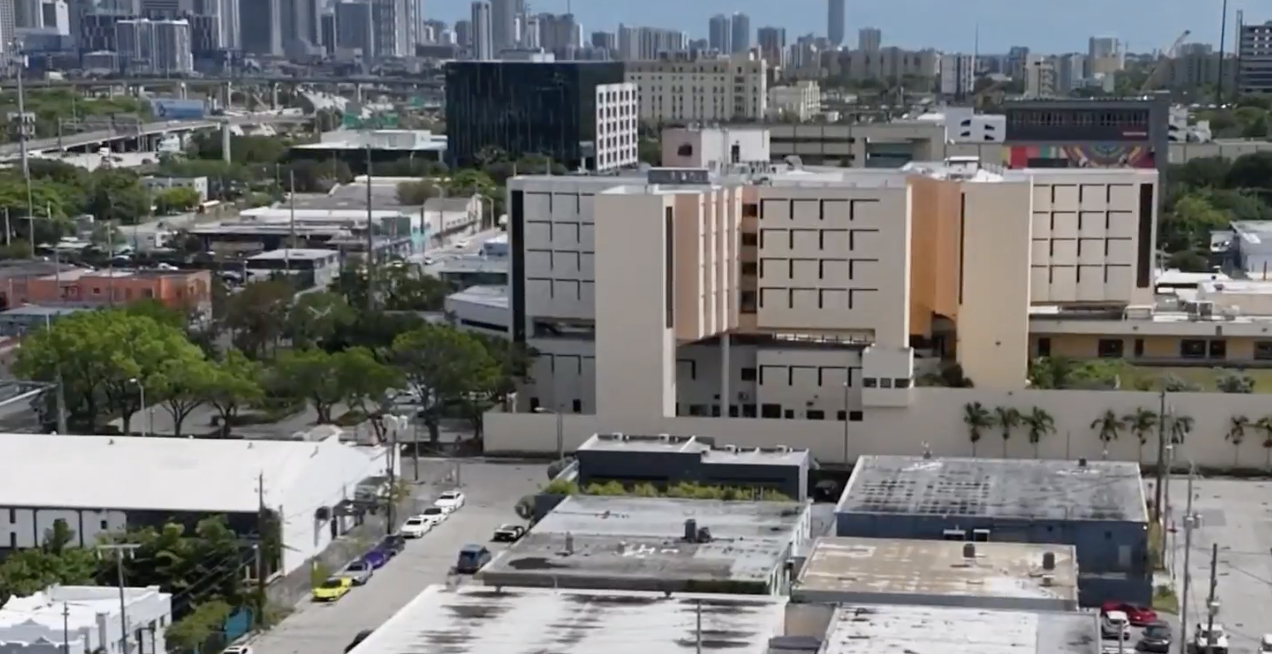 t evaluations, outcome measurements and long-term planning are all good things. Necessary things. But also things that raise an uncomfortable question.
If we need this much oversight before the facility even opens, what exactly are commissioners worried about? Because despite years of discussion, taxpayers still don’t have clear answers to some fundamental questions.
Who exactly is going to operate this facility? There’s talk about two different operators. How will that work? What happens when startup money runs out? Where will future funding come from? How many additional millions will county taxpayers be expected to contribute every year?
And perhaps most importantly, what programs will eventually be competing with this facility for funding?
Rodriguez’s resolution specifically states that funding for the center shall supplement, not replace, existing county services.
That’s an important distinction when Miami-Dade is already staring down future financial uncertainty, including ongoing discussions in Tallahassee about property tax reductions that could dramatically reduce local government revenues.
Today, everybody supports mental health treatment. The harder conversation comes later when budget writers have to decide whether to fund this facility, expand police services, address transportation needs, improve parks, repair infrastructure or support programs for victims of crime and domestic violence.
Has anyone explained where those dollars will come from? Ladra must have missed that presentation.
Read related: Miami mental health center becomes political football over operation costs
Then there’s the little matter of what voters actually approved.
Supporters frequently point to the countywide referendum authorizing bonds for mental health infrastructure. The voters want this, they say. But critics note that voters were never specifically told they were approving this exact facility, this exact model, this exact operational structure or these exact future financial obligations.
Here is the exact actual ballot question: “To fund community outreach, healthcare and public safety facilities, construct and improve outreach, family, child, and mental health facilities, including a mental health jail diversion program; and to promote accessibility to quality, affordable healthcare and social services.”
The ballot question gave broad authority. It did not dictate a specific blueprint. And that’s where many of the current concerns live.
Meanwhile, another county facility sits in the background waiting for attention: the aging juvenile detention center, which many insiders 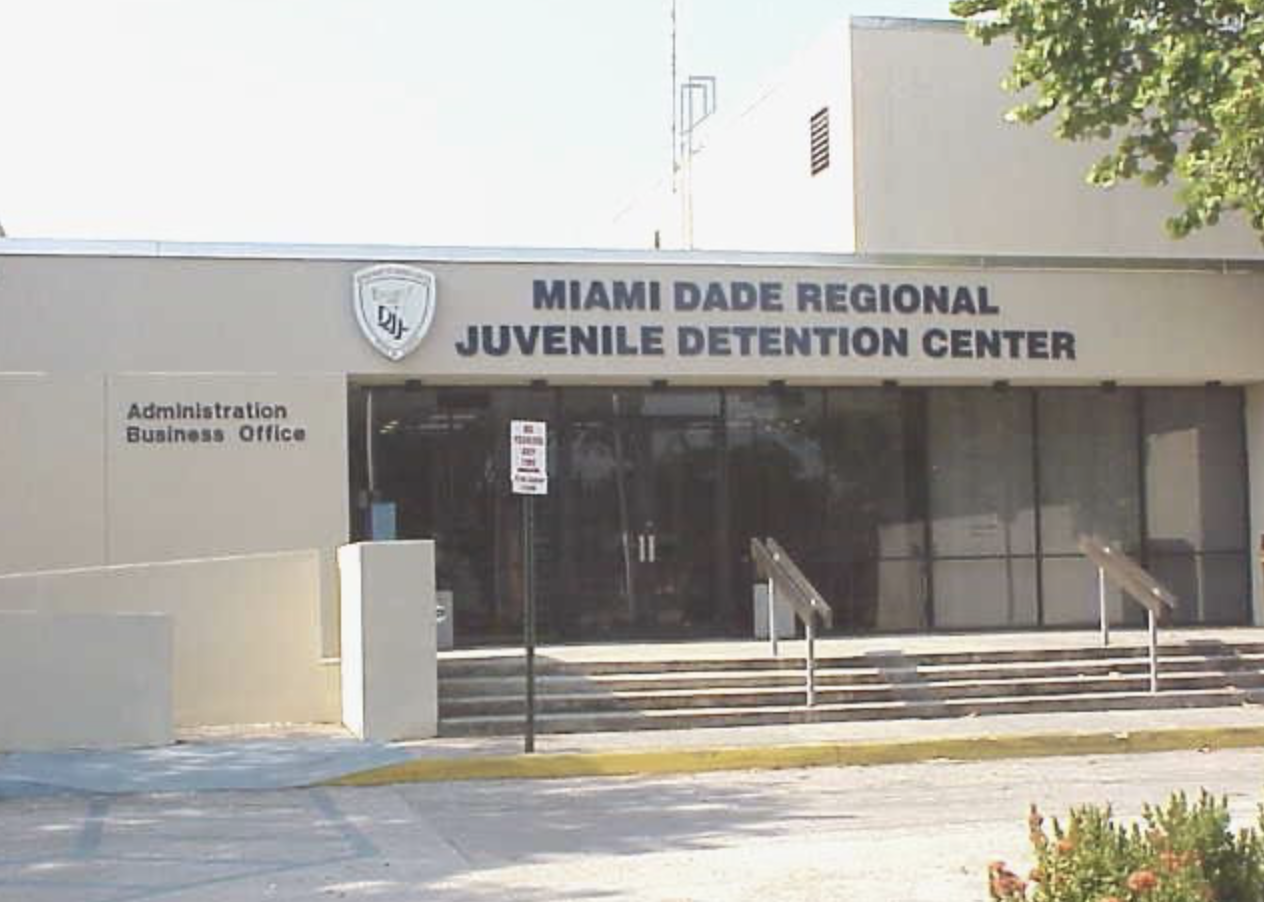 acknowledge will eventually require substantial investment of its own.
That won’t be cheap. Which raises another uncomfortable question: Was the former detention facility being converted into the mental health center the best use of the building?
Supporters see a desperately needed treatment center. Critics see a facility that could have addressed other pressing public safety needs.
The proposed center is expected to serve roughly 75 residents at a time and several hundred individuals annually. Whether that represents the highest and best use of the property remains a matter of debate.
Another issue that continues to hover over the project is homelessness.
Rodriguez’s proposal specifically requires annual evaluations of services provided to homeless individuals and reviews of funding contributions from the Homeless Trust.
That language didn’t appear out of nowhere. It appeared because people are asking questions.
How much of the center’s mission is mental health treatment? How much is homelessness intervention? How much funding will be expected from the Homeless Trust? And what happens if those funding streams dry up or priorities change?
For now, commissioners appear ready to move forward. The center may very well save lives. It may reduce repeat Baker Acts. It may lessen the burden on emergency rooms and law enforcement.
Everyone hopes it does.
But hope is not a business plan.
And good intentions are not a funding source.
Monday’s vote may settle whether the Center for Mental Health and Recovery moves forward.
It will not settle who pays for it five years from now. Or ten.
Those questions are still very much under construction.
The Miami-Dade Commission meeting starts at 9:30 a.m. Tuesday in commission chambers at County Hall, 111 NW 1st Street, and is streamed live on the county’s website. It can also be seen on the Miami-Dade Commission’s YouTube Channel.
This kind of independent, government watchdog reporting is crucial to transparency and democracy. And more so every day. Help shine a light on the darker corners of our community with a contribution to Political Cortadito. Click here. Ladra thanks you for your support.

Miami mental health center finally has the votes. But does it have a plan? added by Ladra on
View all posts by Ladra →