
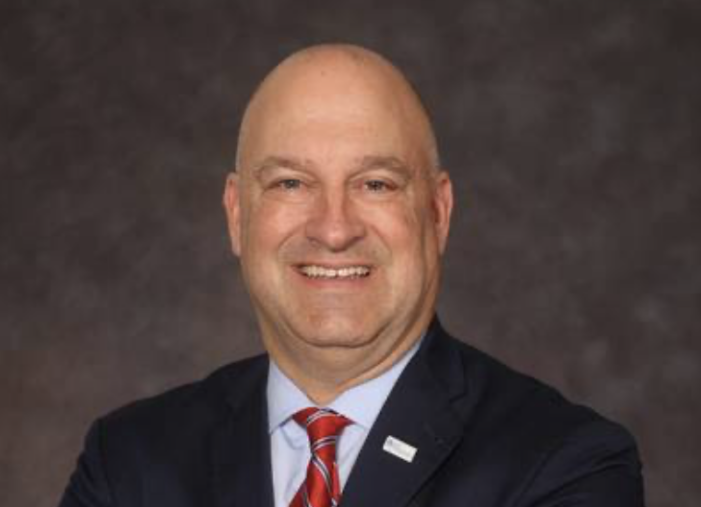
Miami-Dade has a new port boss, the third director since the fuel farm fiasco first exploded in public.
And if you listen to the county’s press release — which reads like it was drafted on a yacht with a corporate logo stitched into the napkins — Jonathan Daniels is basically the maritime equivalent of a superhero landing.
Thirty years of experience. Cruise. Cargo. Energy. Capital projects. Crisis management. Record cargo numbers. Big ports. Bigger budgets. Even bigger adjectives.
He’s coming in as the new Director and CEO of PortMiami, which Mayor Daniella Levine Cava insists is “one of our greatest assets and a 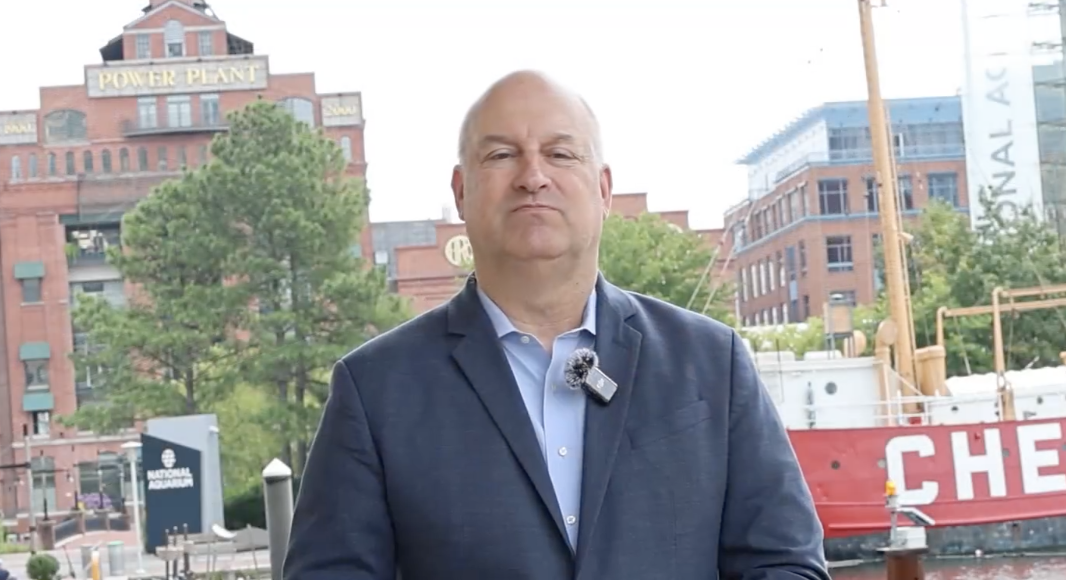 powerful economic engine,” as if anyone in Miami needed a reminder that the port is the thing actually keeping half the county’s economy from floating out to sea.
Daniels arrives from the Maryland Port Administration, where he survived what can only be described as a maritime stress test from hell. Seven weeks into his tenure, the cargo ship Dali took out the Francis Scott Key Bridge, shutting down a critical shipping channel and instantly turning his job into a national emergency.
Most executives would call that a career setback. Daniels apparently called it Tuesday.
He helped coordinate the recovery, worked with every level of government, cleared the channel in weeks, and somehow ended up with a record cargo year in 2025. So, he has actually managed a crisis without the port falling apart for a decade. Sounds neat.
Before Baltimore, he ran Port Everglades, so he already understands South Florida’s special blend of cruise traffic, cargo pressure, and political interference dressed up as “stakeholder engagement.”
Read related: PortMiami’s new boss jumps ship before the real storm hits Miami-Dade
Now, he inherits PortMiami at a moment when the biggest challenge isn’t just global trade — it’s internal trust. Because let’s not pretend the fuel 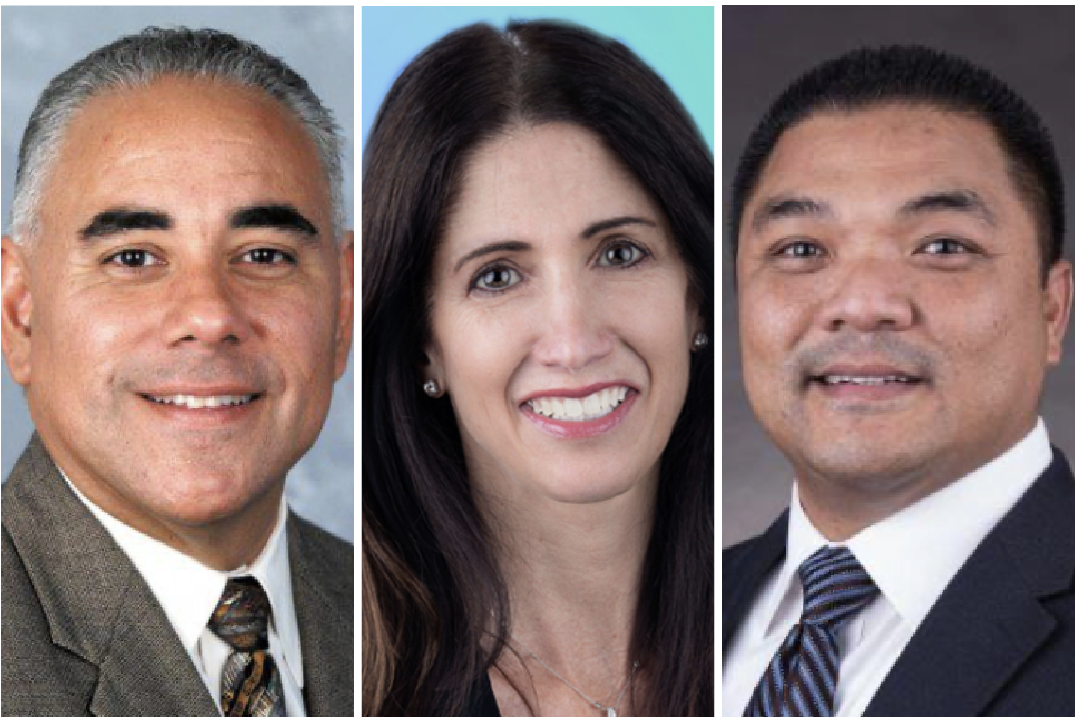 farm fiasco didn’t leave a mark. It led to the resignation of the former port boss, Hydi Webb, and Miami-Dade Chief Operating Officer Jimmy Morales, a veteran administrator who was also once a county commissioner. Interim Port Director Frederick Wong apparently said nananina and decided it was time to retire already as the county embarks on an eminent domain process to take the fuel depot on Fisher Island that has been serving the port for more than 70 years and was sold to developers last year, developers who want to turn the property into luxury condos.
Between that mess, lingering questions about oversight, and a leadership structure that sometimes looks less like a chain of command and more like a group chat with voting rights, the port has been operating with what can generously be called a “distributed authority model.”
Or less generously: nobody quite knows who’s steering.
Read related: Miami-Dade’s $400 million ‘oops’ — Fisher Island fuel depot fight explodes
Daniels steps into that vacuum with the usual Miami expectations: fix everything fast, don’t raise fees, don’t offend powerful interests, don’t slow cruise growth, don’t ignore cargo needs, and definitely don’t let another infrastructure controversy explode in the headlines.
No pressure.
“PortMiami is one of our greatest assets and a powerful economic engine for Miami-Dade County,” La Alcaldesa said in a statement Tuesday morning. “Jonathan brings the experience, vision, and steady leadership needed to strengthen critical infrastructure, support continued growth, and ensure PortMiami remains a leader in global trade and tourism for decades to come. Jonathan is among the most accomplished port leaders in the country, and we are thrilled he has chosen Miami-Dade County and PortMiami.”
In his own statement, Daniels seems excited: “PortMiami is an extraordinary port with a talented team, strong industry partners, and a bright future,” he said. “I look forward to working with our employees, customers, and community partners to build on PortMiami’s success.”
Mayor Levine Cava also added a familiar Miami-Dade twist to the transition: a second appointment. Alissa Peñaloza was named deputy director, 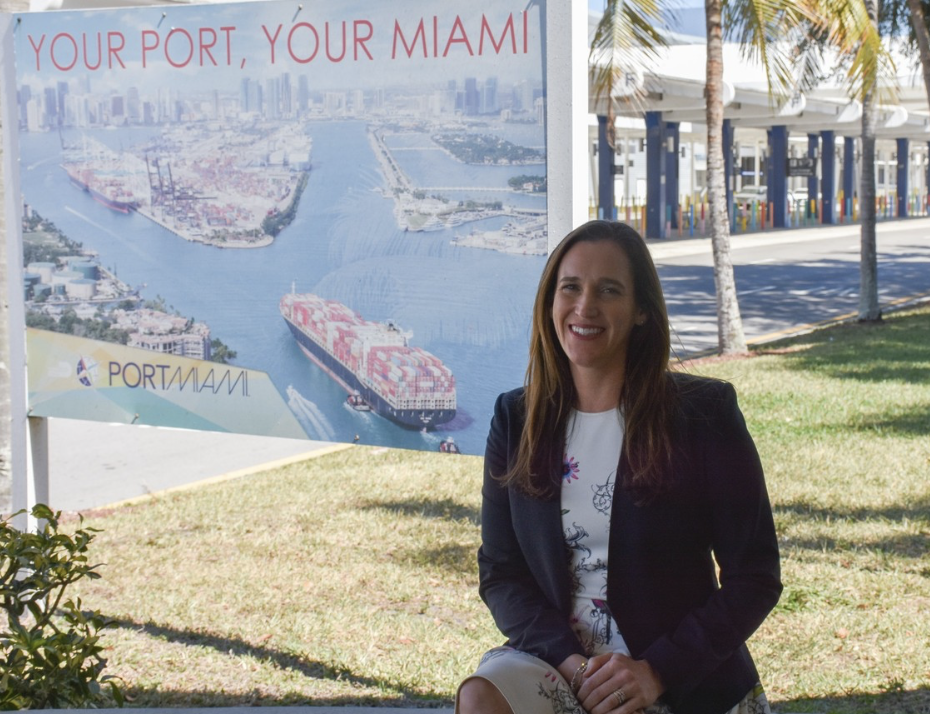 bringing institutional knowledge and capital project experience — because in Miami, every new leader comes with at least one person who already knows where the bodies (and budgets) are buried. Peñaloza has been at the county since 2006, including stints in planning and zoning and the water and sewer department before becoming PortMiami’s chief strategy officer in 2022. For almost 10 years from 2008 to 2018, she worked at the port in planning, grants management and real estate development.
And for now, Deputy Mayor Roy Coley will serve as interim port director until Daniels officially takes over in August, which means the port will briefly operate under what can only be described as “pre-season leadership rotation.”
Read related: Jimmy Morales, PortMiami director quit over Fisher Island fuel depot fiasco
On paper, Daniels is a strong hire: experienced, crisis-tested, commercially fluent, and familiar with Florida’s port ecosystem.
But Ladra’s question is the same one the fuel farm mess raised in neon lights: Is this about leadership strength — or about trying to outrun a system that keeps producing the same structural problems regardless of who’s in the chair?
Because PortMiami doesn’t just need a new captain. It needs a new chart.
This kind of independent, government watchdog reporting is crucial to transparency and democracy. And more so every day. Help shine a light on the darker corners of our community with a contribution to Political Cortadito. Click here. Ladra thanks you for your support.

PortMiami’s new captain = the man who led Baltimore through bridge disaster added by Ladra on
View all posts by Ladra →