
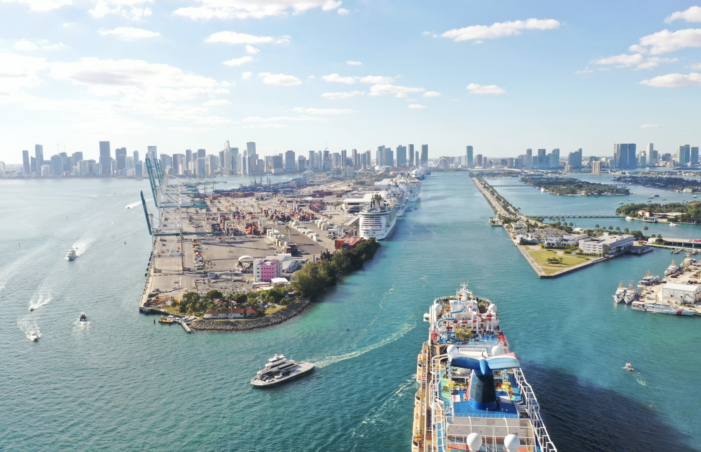
Miami-Dade Commissioner Oliver Gilbert isn’t the only one who got to say “I told you so,” on Tuesday.
And after Tuesday’s nearly unanimous vote to move forward with eminent domain proceedings against the owners of the Fisher Island fuel depot, it’s getting harder and harder to ignore what looked suspiciously like a long con from the very beginning, like Ladra suggested.
Remember when Miami-Dade County was preparing to pay something approaching $400 million for a property that had sold less than a year earlier for about $180 million? Remember when county officials were practically hyperventilating over the prospect of losing the fuel facility that keeps PortMiami running? Remember when Ladra offered that maybe — just maybe — some very sophisticated developers never really expected to build luxury condos on the site and instead were betting the county would panic and buy the property back at a massive profit?
Well… prepárate. It looks like a lot of commissioners are agreeing and asking the same questions.
Read related: Fisher Island fuel depot flipping fiasco smells like a long con on Miami-Dade
In an 11-1 vote Tuesday, commissioners authorized Mayor Daniella Levine Cava‘s administration to move aggressively into eminent domain proceedings, effectively telling the developers: “We’ll see you in court.”
And perhaps more importantly, they made it abundantly clear they were not interested in paying $400 million for a property that sold for less than 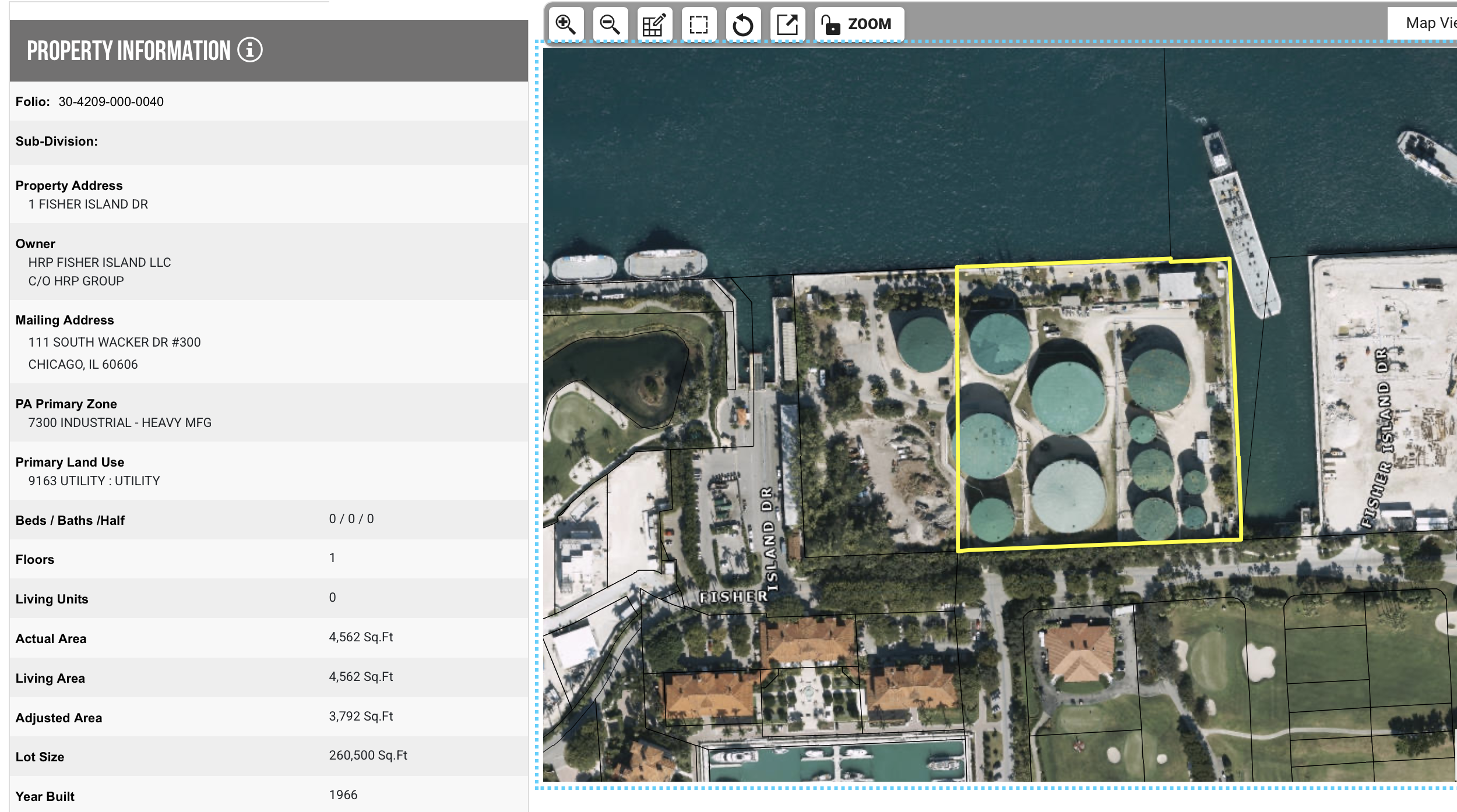 half of that eight months ago and is zoned heavy manufacturing and industrial, not highrise residential.
Because that sounded insane when Ladra wrote about it weeks ago. And it still sounds insane now.
What has become increasingly difficult to swallow is the notion that some of South Florida’s most experienced developers actually believed luxury condos were the obvious future of this site.
Really?
A fuel depot that has existed since the 1920s. Industrial zoning. Environmental complications. Marine infrastructure. Fuel pipelines. A port that depends on it for 340,000 jobs and $61 billion of economic engine-revving.
And now, as it turns out, a decades-old covenant running with part of the land requiring that it remain a fuel facility unless Miami-Dade says otherwise.
Tell me that the new owners didn’t know this and I’d like to sell you some magic cafecito beans.
These are not rookie developers who accidentally bought the wrong parcel on Zillow. These are professionals. Experts. People who conduct due 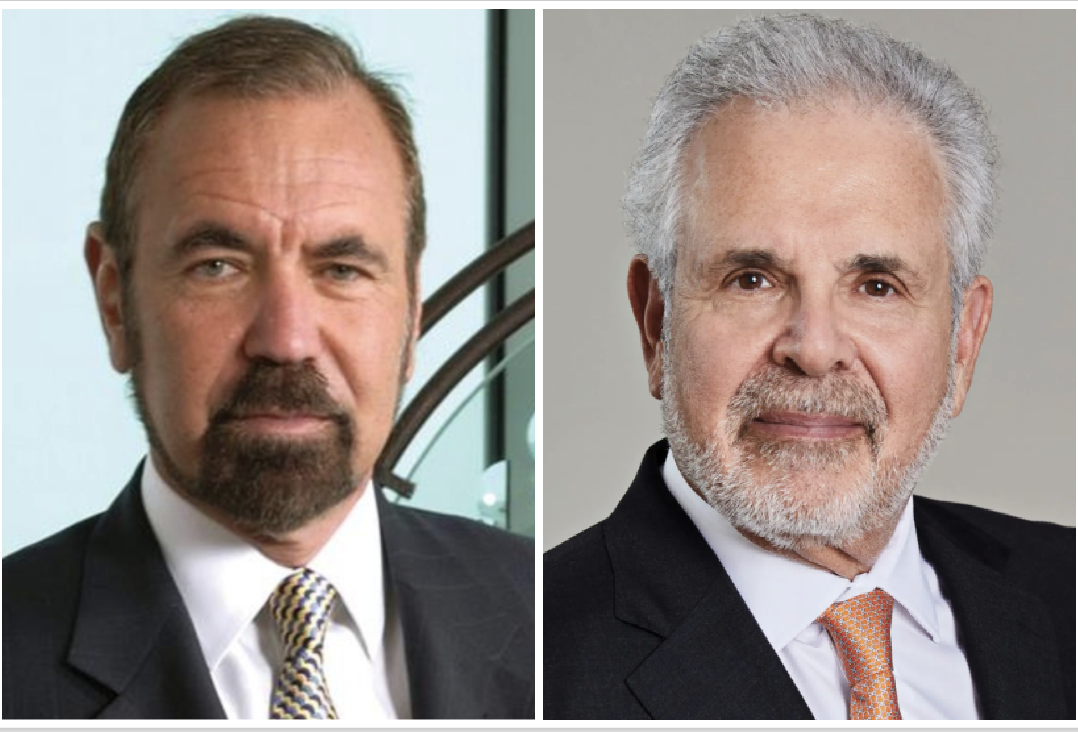 diligence for breakfast. People who hire teams of lawyers, engineers, planners, consultants and land-use experts before spending $180 million.
They include Jorge Perez, Miami’s “condo king” who has a whole museum named after him, and Russell Galbut, the former chairman of Norwegian Cruise Lines Holdings, who also wants to build a high-rise on public school property in Downtown Miami.
These are people who almost certainly knew exactly what they were buying. Which is why the luxury-condo narrative always felt a little too convenient. And there was always another path: Buy the property. Wait for Miami-Dade to realize it had made a colossal mistake by allowing critical port infrastructure to fall into private hands. Then sell it back at a staggering markup.
Read related: Miami-Dade’s $400 million ‘oops’ — Fisher Island fuel depot fight explodes
The beauty of the strategy wasn’t that the developers controlled the county. The beauty was that they didn’t have to. The county’s own panic would do the work.
For months, officials warned about catastrophic economic consequences. Cruise ships. Cargo operations. Jobs. Billions in economic activity.
Every public statement reinforced the same message: We desperately need this property.
That’s not leverage for the buyer. That’s leverage for the seller.
Or at least it was.
Then something funny happened. The county discovered it still had cards to play: A covenant here. An easement there. The awesome power of 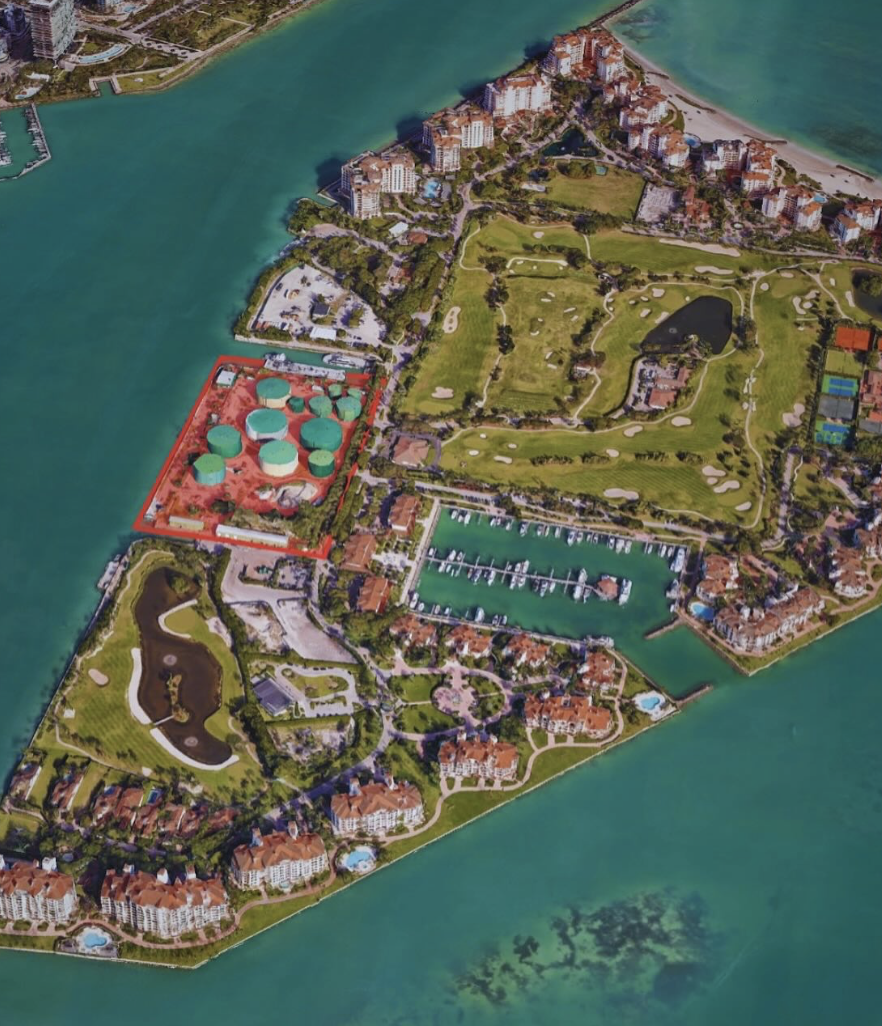 eminent domain.
And perhaps most importantly, a commission that finally decided enough was enough.
“We cannot call it unfortunate. We cannot call it unforeseeable,” said Gilbert, who urged commissioners to start eminent domain proceedings last Fall. “When we decided to negotiate with the buyer instead of the seller, we made a mistake.”
Ya think? A mistake that transformed the the county’s negotiating position transformed from “we should probably own this” into “name your price.”
The administration still has some explaining to do. After all, the county somehow missed an opportunity to acquire infrastructure it now claims is indispensable to the regional economy. Two top officials — Chief Operating Officer Jimmy Morales and PortMiami Director Hydi Webb — resigned their jobs over the fiasco.
“The moment the mayor knew it was for sale, it was already too late,” said Deputy Mayor Roy Coley, who is kinda the new Jimmy Morales. He said port officials learned of the sale through the media, which is hard to believe. The closing was last year but the county didn’t have any reason to think the new owners would build something else there.
“This property has changed hands six time. It has always been a fuel supply,” Coley said, admitting that the county just assumed it would remain that way forever. If the fuel farm stops providing fuel to the port ships, Coley said the immediate fix would be to have a floating gas station barge.
The mayor herself has acknowledged she was not informed of certain critical details, including the covenant.
Commissioner Raquel Regalado was the only no vote. She said that there were alternatives the county should look at first. She noted that the commission “time and time again” will ask questions of the administration on everything. “Yet on this issue.. we are asked to blindly trust the administration,” Regalado asked, requesting a shade meeting because she said she has not gotten all the innformation she has asked for.
“We are being told there’s a crisis and the only way forward is to purchase Fisher Island,” Regalado said, wanting to know more about options on 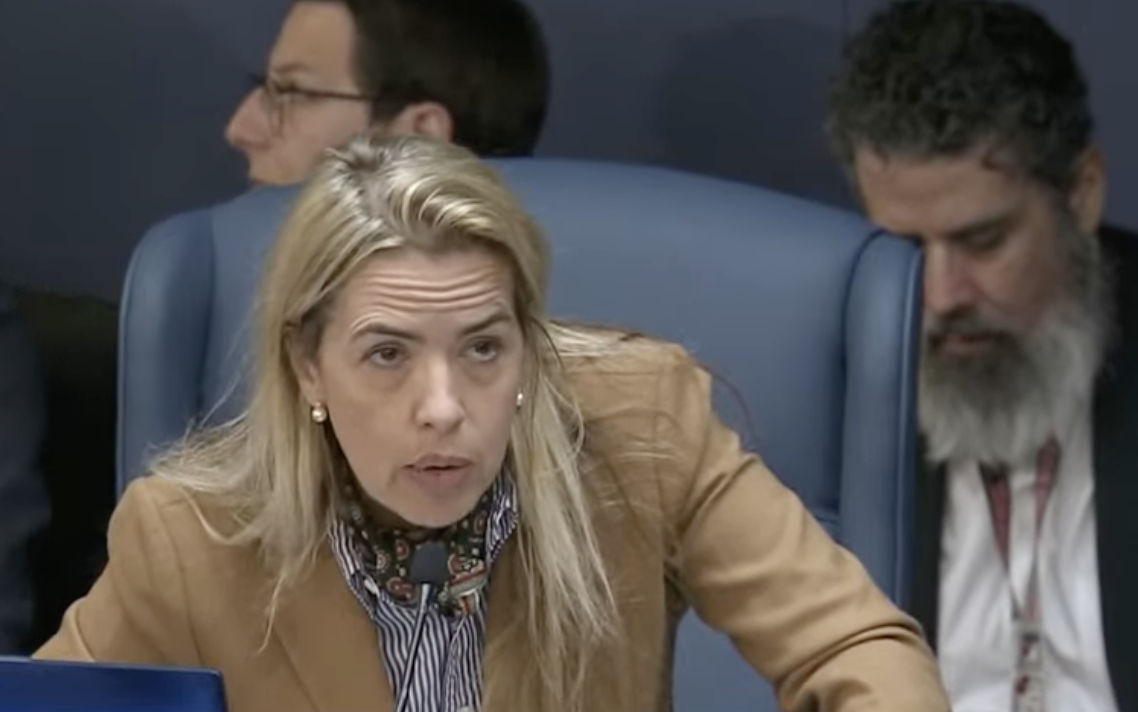 the port site itself.
“This is a decision that will impact the county for the next 50 years and should not be taken lightly,” she said. “We are buying a dinosaur.”
Gilbert called her thought process “the height of recklessness,” and said, “people who advocate we wait are advocating that we pay more.”
The commission spoke about three assessments. One at $25 million before it was purchased, one at $180 million, which is the purchase price, and one now at $430 million.
But Gilbert said the covenant makes the $25 million price more reasonable — and he hopes a jury will think the same way.
Philip Hatfield, Vice President of Ports & Marine at AECOM said they had evaluated five potential sites at PortMiami and only three sites were viable. But it would require taking land away from existing facilities (read: cruise and freight companies), demolition, pipes, new berths. “These are all significant changes.”
Commissioner Vicki Lopez had an Oscar moment performance when she said all she cared about was the longshore workers who showed up to raise their own concerns (so did the cruise industry) and the firefighters who don’t have enough space on the port site already.
So, taxpayers are now paying lawyers instead of simply owning the property outright.
Read related: Jimmy Morales, PortMiami director quit over Fisher Island fuel depot fiasco
But at least somebody finally slammed on the brakes. Because if the choice is between letting a jury determine fair market value or writing a $400 million check after an $180 million purchase eight months earlier, most taxpayers would probably take their chances with the jury.
The developers insist the covenant isn’t a problem.
Maybe they’re right. Ladra has seen covenants get broken like a new toy in a child’s hand. But it can also be used as intended, to keep a property in the use always and originally intended for (too bad the commission didn’t feel this strongly about Calusa).
The developers insist the site can still become a luxury residential project. Maybe they’re right about that, too. Maybe a decade or two and millions of dollars from now, they can break ground. But will they? Or will a jury decide that the land is just too important to the county to do that?
What commissioners made clear Tuesday is that Miami-Dade County is no longer willing to pay luxury-condo prices for industrial property simply because somebody says they might someday build luxury condos there.
Imagine that. Government discovering the concept of leverage.
Better late than never.
This kind of independent, government watchdog reporting is crucial to transparency and democracy. And more so every day. Help shine a light on the darker corners of our community with a contribution to Political Cortadito. Click here. Ladra thanks you for your support.

The Fisher Island fuel depot long con may be over; now comes the bill added by Ladra on
View all posts by Ladra →
