
So the $400 million fuel depot deal is apparently dead.
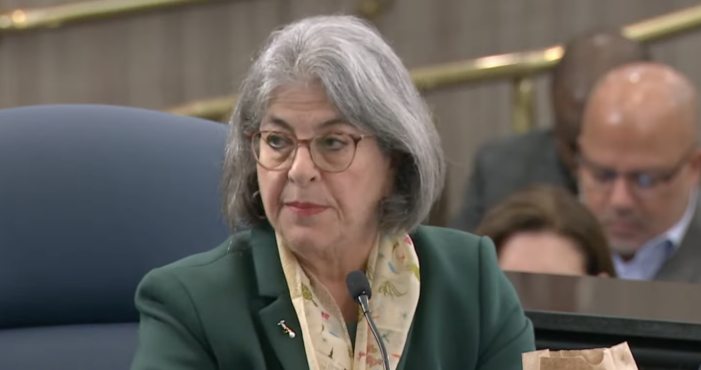
Just days after Political Cortadito asked whether Miami-Dade taxpayers were about to become the proud owners of one of the most expensive governmental “oops” moments in local history — and dopes in what looks like a long con job — Mayor Daniella Levine Cava slammed the brakes on the reported $400 million deal to buy back the Fisher Island fuel depot that serves the ships at PortMiami
And just like that, the fuel farm fiasco entered its next phase: Lawyers.
In a memo released Friday, Levine Cava formally rejected the deal negotiated by her suddenly-former Chief Operating Officer Jimmy Morales  and former PortMiami Director Hydi Webb — and now we know why both were forced to resign this week — saying the price tag was simply too high.
En otras palabras: Are you people out of your f$#%^ng minds?
After weeks of criticism and a growing chorus of people asking why Miami-Dade taxpayers should pay more than twice what the Fisher Island fuel terminal sold for less than a year ago, La Alcaldesa formally tossed the proposed purchase Friday.
And just like that, what looked like a controversial buyout became a full-blown legal and political war.
Read related: Miami-Dade’s $400 million ‘oops’ — Fisher Island fuel depot fight explodes
The reported deal would have paid the owners of the Fisher Island fuel depot roughly $200 million upfront and another $200 million over time. That’s the same property Miami-Dade had multiple opportunities to buy before Chicago-based HRP Group and its high-powered development partners — including locals Jorge Perez of The Related Group and Russell Galbut of everything — stepped in and purchased it for about $180 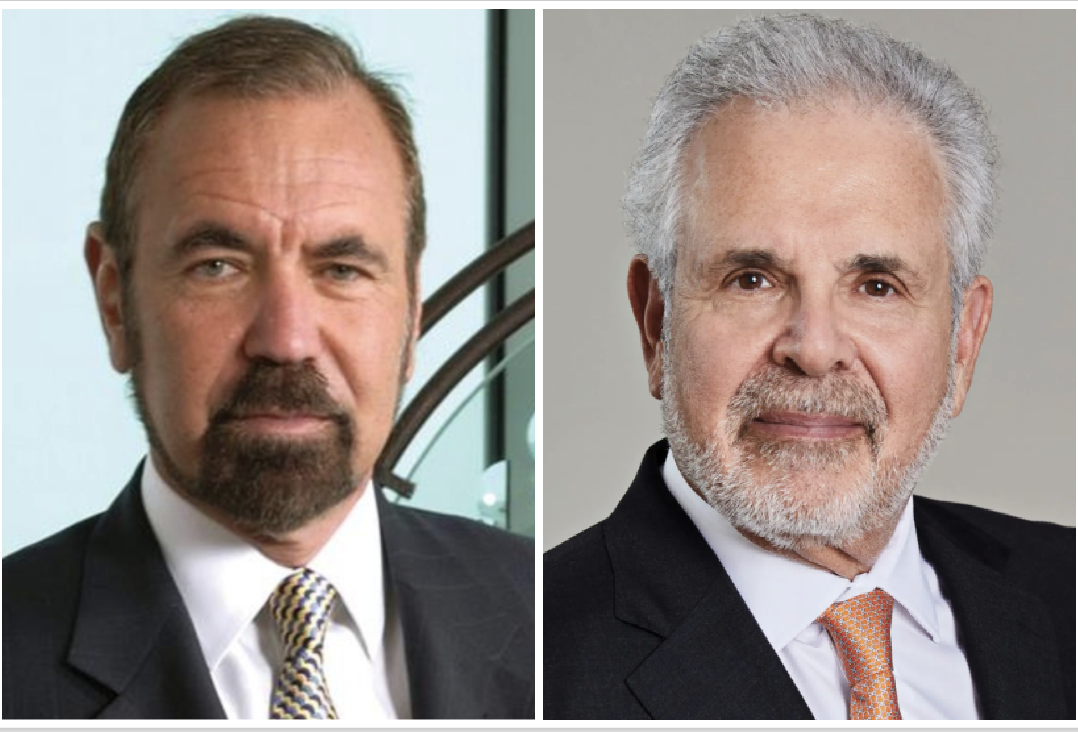 million, then threatened to build luxury condominiums on it.
The same property county officials now insist is absolutely essential to the future of PortMiami. The same 10 acres that suddenly became worth twice as much once government realized it needed it. Funny how that works.
Levine Cava said the county will instead pursue eminent domain — the government’s power to take private property for public use while paying what a court determines is fair compensation. She, and apparently others, believe that they can prove the Fisher Island fuel terminal — which supplies marine fuel to PortMiami cruise and cargo ships — is crucial to the county’s very existence.
Eminent domain is what Commissioner Oliver Gilbert suggested last October, when the county entered into mediation with the developer, w ho had already purchased the property.
Read related: Eminent domain item at Miami-Dade could be result of fuel depot debacle
In a statement to Political Cortadito, HRP CEO Roberto Perez argued that the company spent years identifying the site, assembling investors, conducting due diligence, and creating what it sees as a multi-billion-dollar redevelopment opportunity.
HRP says Miami-Dade was aware the property was for sale for years, was invited to buy it — indeed encouraged to do so by the cruise industry  people — and declined multiple opportunities to do so.
“The County finds itself in this position as a direct result of its own incompetence after years and frankly decades of failure to plan for PortMiami infrastructure,” Perez said. And he’s not wrong.
“Seizing private property is not the solution for public failure,” he added.
Oh, and that they still intend to pursue redevelopment, which sounds a little like an empty threat because the land is still zoned heavy manufacturing and industrial, not luxury high-rise. The county doesn’t have to approve a zoning change.
Maybe he’s just mad that his long con job was exposed and it’s now not such an easy flip.
Read related: Fisher Island fuel depot flipping fiasco smells like a long con on Miami-Dade
Fisher Island residents aren’t exactly cheering either.
Many supported the condo redevelopment and have already sued to block a county acquisition, arguing that the fuel facility is an aging industrial use sitting next to homes, a school, and hurricane evacuation routes. So the county now faces opposition not just from the developers, but also a segment of the island community.
And taxpayers may end up funding years of litigation to determine how much the county must pay for a property it says it cannot live without.
Perhaps the most remarkable part of the entire saga is that none of this had to happen. The property didn’t suddenly appear. The fuel depot wasn’t 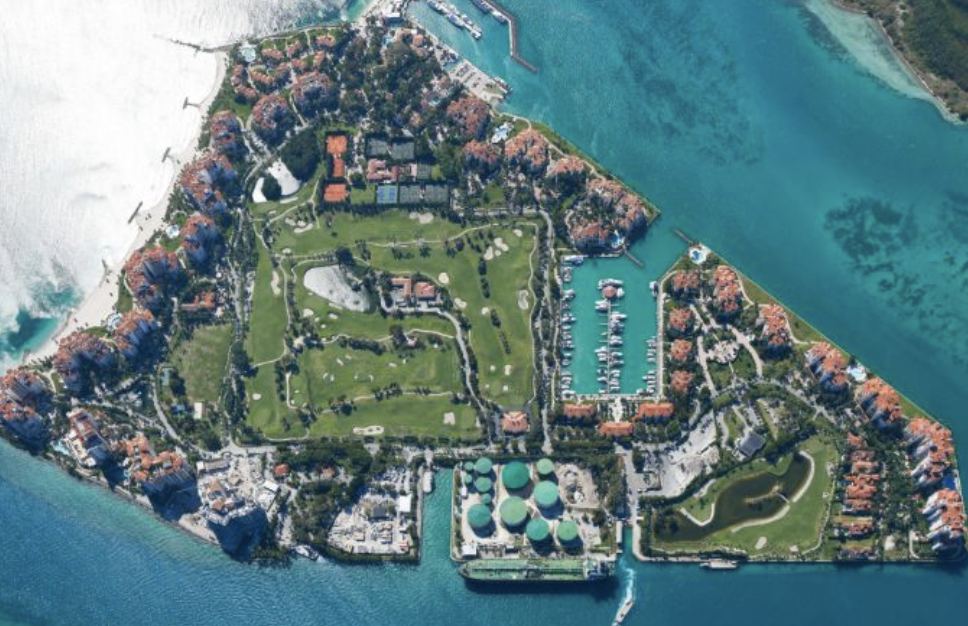 hidden. The port didn’t materialize overnight.
Everybody knew the facility existed. Everybody knew it was privately owned. Everybody knew it was for sale.
Yet somehow Miami-Dade government woke up in the ninth inning and discovered the fuel supply for the Cruise Capital of the World belonged to somebody else.
That realization already cost two top officials their jobs. Now it may cost taxpayers years of litigation.
And unlike the reported $400 million deal, nobody yet knows what that final bill will be.
What we do know: The county won’t write the check. The developers won’t walk away. The residents won’t stop suing.
And the fuel depot that everybody suddenly claims is indispensable is headed into what could become one of the nastiest and most expensive land fights Miami has seen in years.
This kind of independent, government watchdog reporting is crucial to transparency and democracy. And more so every day. Help shine a light on the darker corners of our community with a contribution to Political Cortadito. Click here. Ladra thanks you for your support.

Daniella Levine Cava goes eminent domain on Fisher Island fuel farm deal added by Ladra on
View all posts by Ladra →