
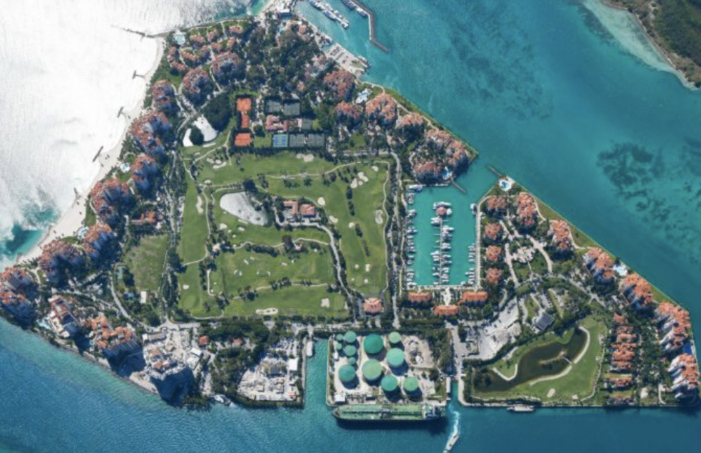
Could two of Miami’s biggest developers be bluffing for a quick profit?
Ladra has a question. Maybe a dumb question. Maybe a smart question.
Maybe the kind of question that explains why two top county officials suddenly resigned as patsies of the fuel depot debacle that led Miami-Dade to lose an opportunity to secure a critical piece of the region’s economic infrastructure, which developers have now threatened to replace with a posh residential complex, despite the land being zoned heavy manufacturing and industrial.
But here it is: What if the luxury condos were never really the play?
Read related: Jimmy Morales, PortMiami director quit over Fisher Island fuel depot fiasco
Think about it.
Last year, a group of extremely sophisticated developers bought the 10-acre fuel depot property on Fisher Island for about 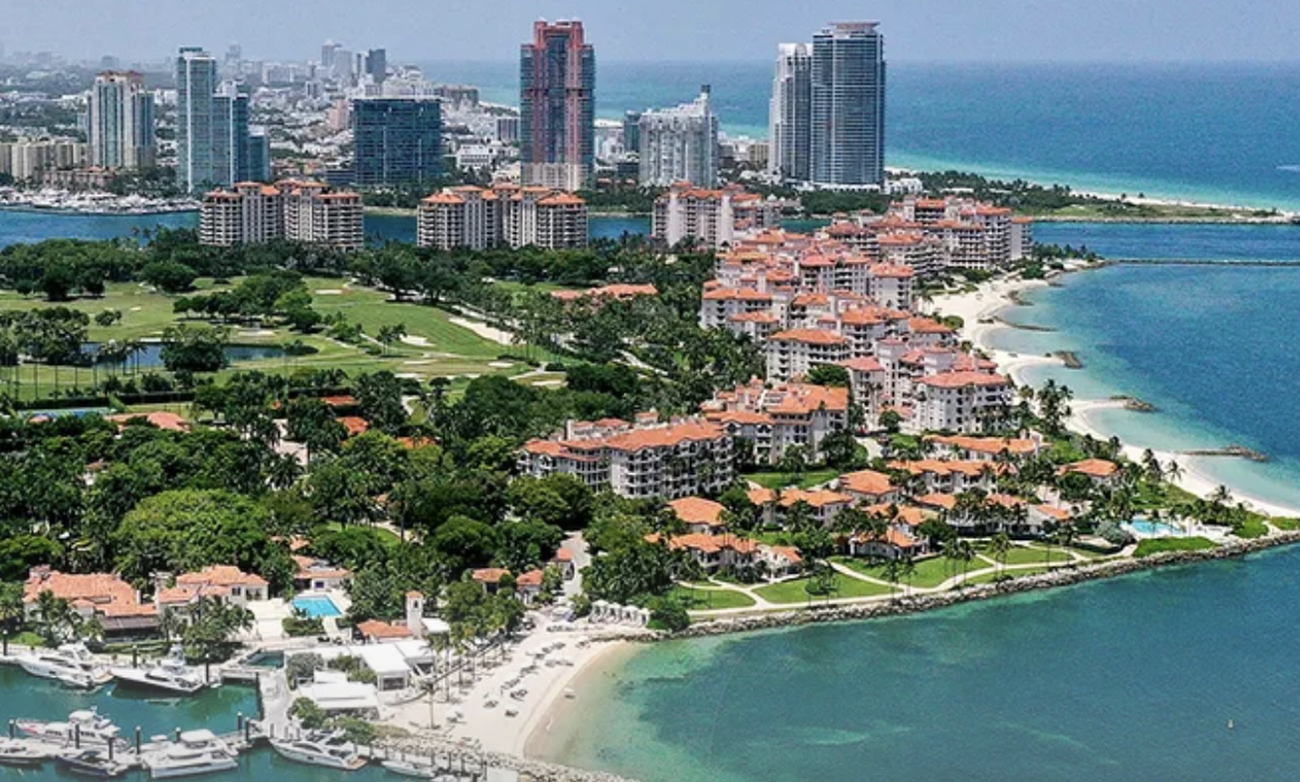 $180 million. Not amateur developers. Not first-timers. We’re talking about some of the most connected and experienced real estate players in South Florida.
People who understand zoning. People who understand politics. People who understand risk. People who understand Miami.
People like Jorge Pérez, of The Related Group, who partnered with Chicago-based HRP to purchase the property.
Pérez is one of those rare Miami figures who is simultaneously admired, criticized, feared, respected, and courted by virtually everybody. He’s not just a developer. He’s arguably the single individual most responsible for the modern Miami skyline, the condo king who helped transform a sleepy tropical city into an international skyline of glass towers, art museums and eye-watering real estate prices.
To admirers, he’s a visionary philanthropist who gave Miami culture, housing and a world-class skyline. To critics, he’s the human embodiment of the luxury-condo economy that made Miami rich while making it increasingly unaffordable.
Either way, if you can see the skyline, you’re probably looking at one of his monuments.
Read related: Miami-Dade’s $400 million ‘oops’ — Fisher Island fuel depot fight explodes
Russell Galbut is a very different animal.
Pérez is the skyline guy. The master planner. The polished billionaire philanthropist with the museum wing. Galbut, whose 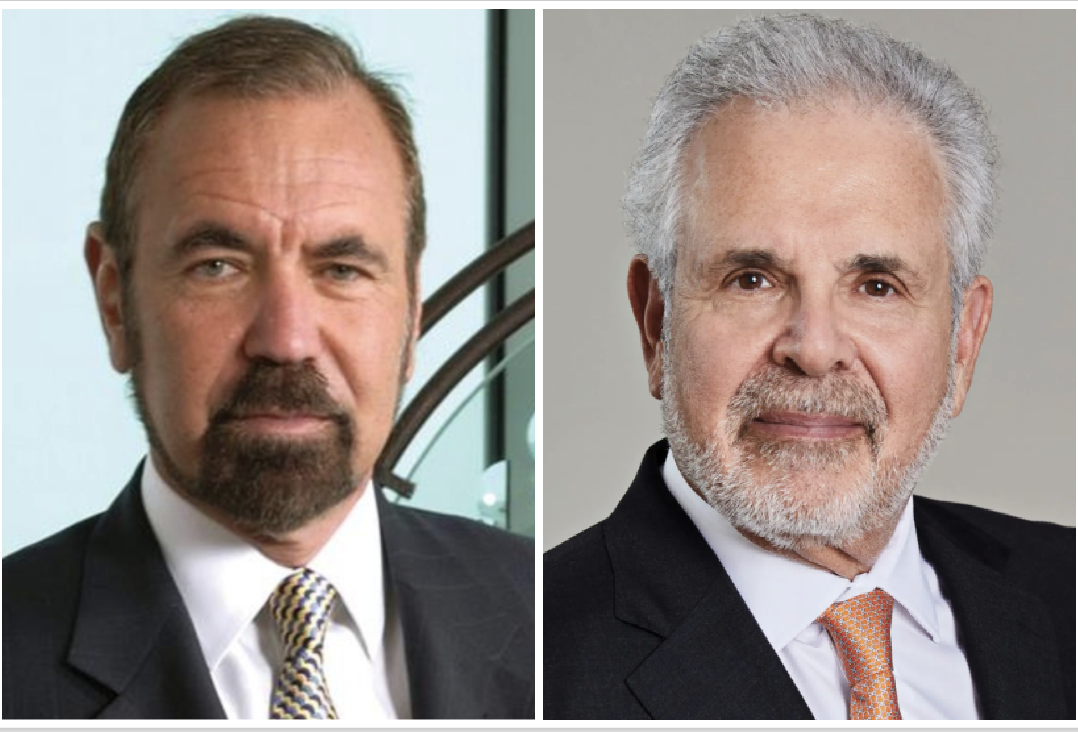 GFO Investements is also involved in the deal, is more of a political street fighter.
If Pérez helped build modern Miami, Galbut has spent decades figuring out how to navigate it.
He’s a lawyer, hotel developer, real-estate investor and political operator whose influence often exceeds his public profile. He co-founded the major hospitality company Crescent Heights with his family and has been involved in countless development, transportation, tourism and government fights over the years.
He’s also the former chair of Norwegian Cruise Lines, and sat on the board for 23 years, and last year unveiled an ambitious plan to renovate and reenvision the old Miami-Dade Courthouse, Cielito Lindo.
Galbut is genuinely smart. Even people who dislike him tend to admit this. Galbut has a reputation for understanding government and development issues at a level that often exceeds the elected officials debating them. He’s frequently ten moves ahead in political and development fights. He is one of those unique Miami figures who can walk into a room full of politicians, developers, lobbyists and activists and somehow already know what everybody is about to argue about.
He’s a big-picture thinker.
And these are the people who supposedly looked at ten acres of heavily industrial waterfront property containing a century-old fuel depot, environmental liabilities, fuel tanks, pipelines, marine infrastructure and utility zoning and thought: “Luxury condos.”
Really? Let’s examine that for a second.
Luxury condos don’t just magically appear because somebody wants them. The property is currently zoned for industrial and utility uses, according to the property appraiser’s website. The county would have to approve major changes. The county could simply say no. The county, in fact, has 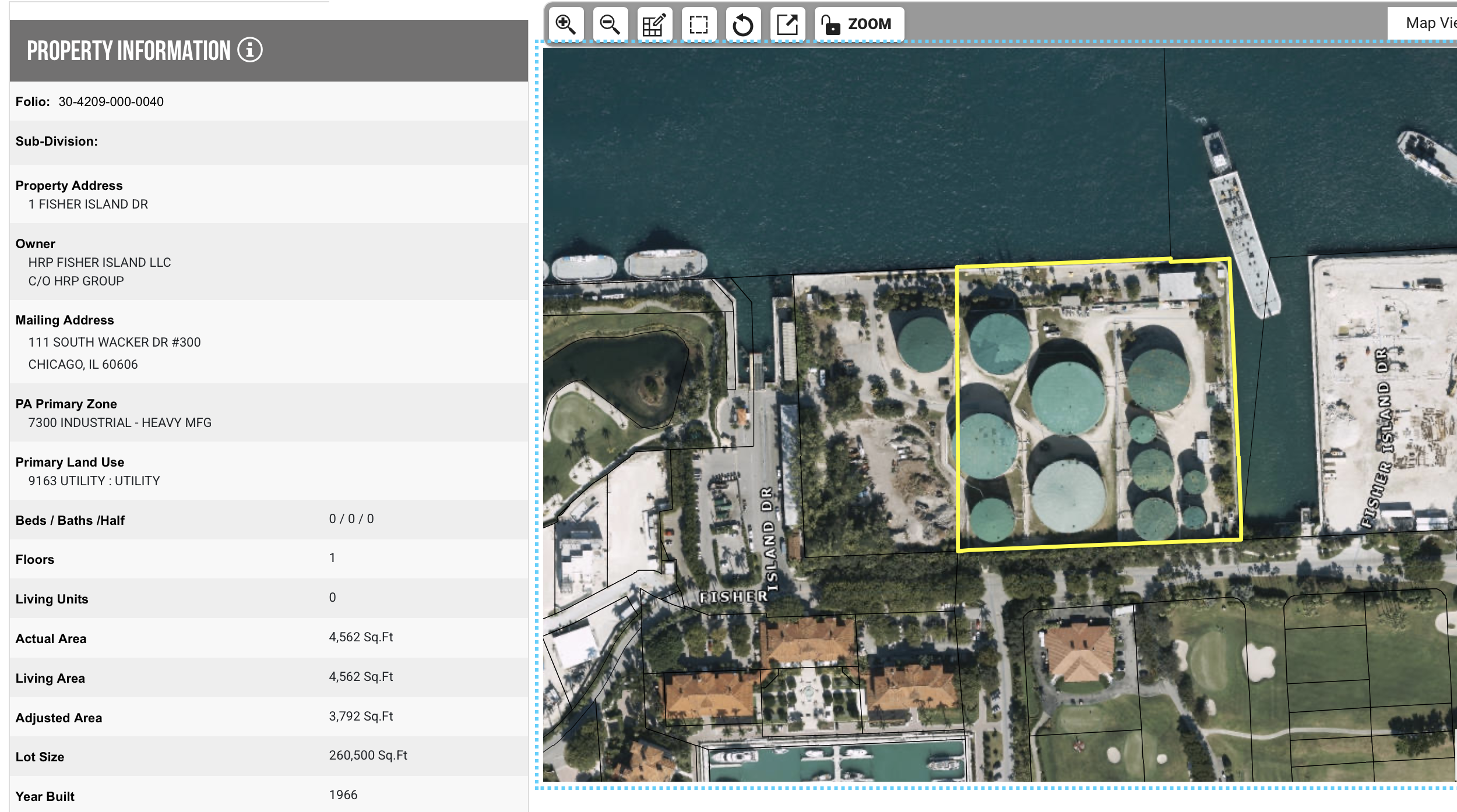 every incentive to say no because PortMiami insists the fuel depot is critical to its very existence.
So the developers’ supposed business plan required government approval they didn’t control.
Meanwhile another possibility existed. A very lucrative possibility.
Buy the property. Wait. Watch county government finally realize it has a massive problem. Then sell the property back to county government — at a huge premium, por supuesto.
Again, Ladra is not alleging anybody planned this. Ladra is merely observing that one scenario appears dramatically more profitable than the other.
Let’s compare them, shall we?
Under scenario A: Spend years pursuing rezoning. Fight environmental reviews. Fight political opposition. Fight community opposition. Demolish industrial infrastructure. Remediate environmental contamination. Build luxury towers. Assume market risk. Assume financing risk. Assume construction risk.
Or, scenario B: Buy for $180 million. Convince Miami-Dade the sky is falling. Sell for something approaching $400 million. Go home.
One of these plans sounds considerably easier. And considerably faster.
Why else would the county find itself negotiating from a position of panic.
Officials are warning about the potential loss of 340,000 jobs. They’re warning about $60 billion plus in economic activity. 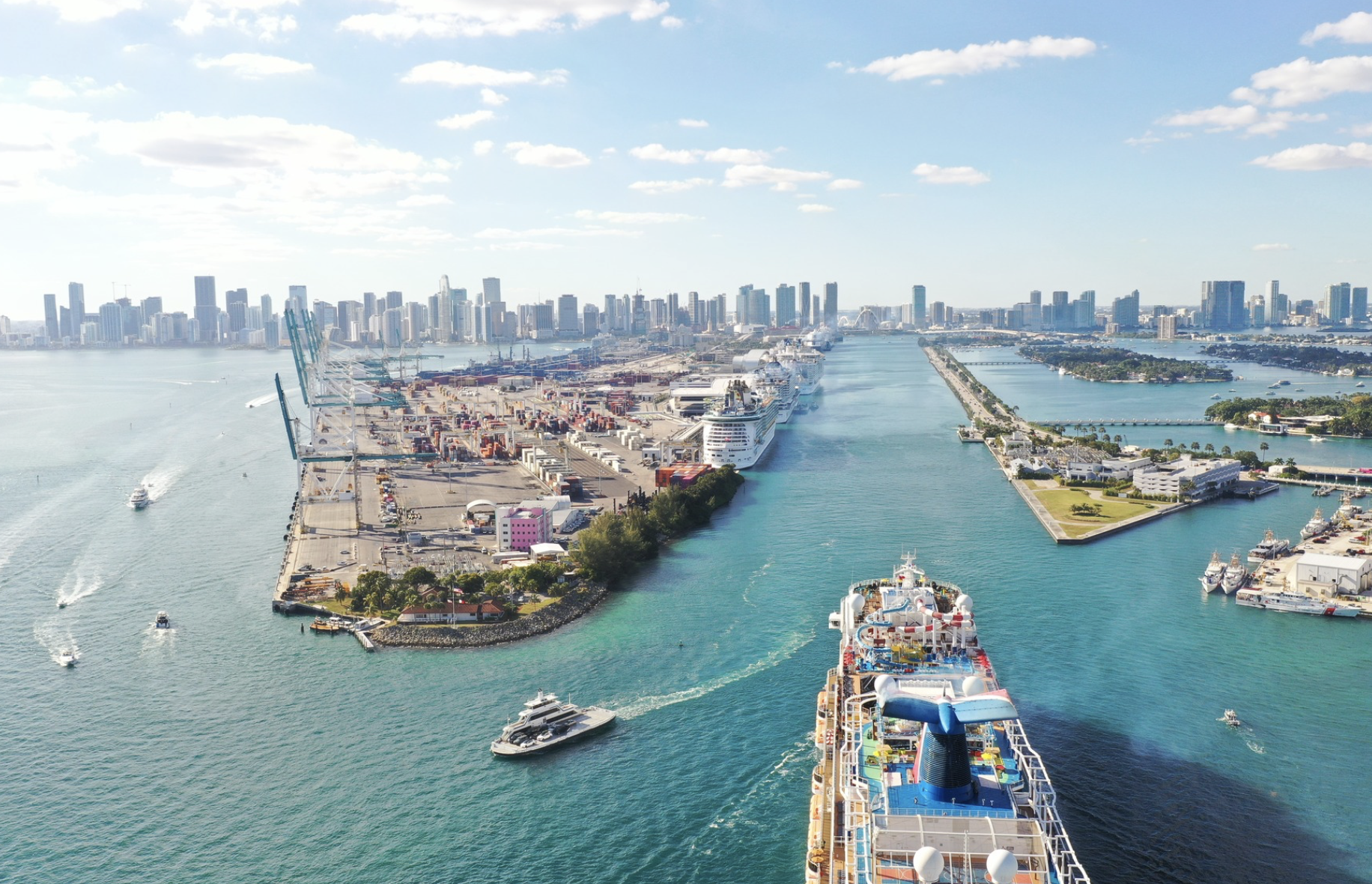 They’re warning about cruise ships going away. They’re warning about cargo numbers dropping. They’re warning about catastrophe.
That’s not exactly the posture of a buyer with leverage. That’s the posture of a buyer who desperately needs what the seller owns.
Every developer in Miami knows what that means. Price goes up. Way up.
Read related: Eminent domain item at Miami-Dade could be result of fuel depot debacle
It’s true that the port operates on self-sustaining enterprise funds without touching the general fund, or so we are told. But it’s still public money. Because the port belongs to the taxpayers. So, ultimately the county (read: taxpayers) are going pay something approaching $400 million for property that sold less than a year ago for $180 million. And people are going to start asking uncomfortable questions.
Not just about the developers. About the county.
Because if the fuel depot was truly indispensable, why wasn’t it purchased years ago? Why wasn’t it protected? Why wasn’t it prioritized? Why were county leaders spending years celebrating shore-power ribbon cuttings while the actual fuel supply for PortMiami sat on the private market?
Those questions aren’t going away.
Neither is the math.
A property purchased for $180 million. A reported deal approaching $400 million. A potential profit that would make even Wall Street jealous.
Maybe this was the plan all along. Maybe it wasn’t.
But if Miami-Dade ends up paying twice what the property sold for eight months ago, don’t be surprised when people start wondering whether the county wasn’t just a big mark.
This kind of independent, government watchdog reporting is crucial to transparency and democracy. And more so every day. Help shine a light on the darker corners of our community with a contribution to Political Cortadito. Click here. Ladra thanks you for your support.

Fisher Island fuel depot flipping fiasco smells like a long con on Miami-Dade added by Ladra on
View all posts by Ladra →
