
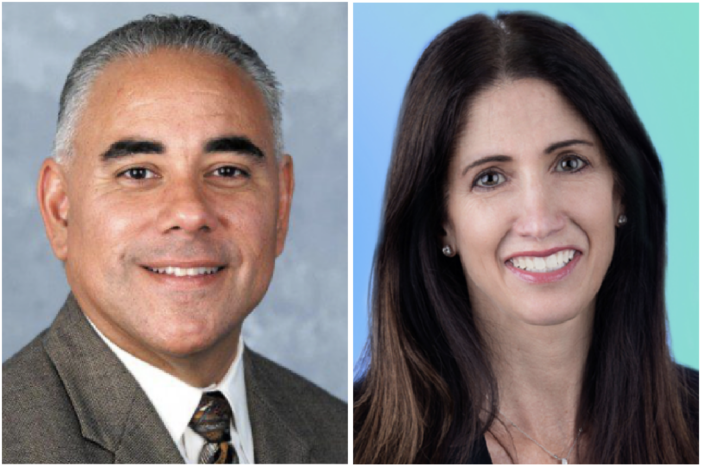
The political fallout from Miami-Dade’s spectacular failure to secure the last major fuel depot serving PortMiami claimed two high-profile casualties late Wednesday when Port Director Hydi Webb and Chief Operations Officer Jimmy Morales abruptly resigned.
That’s right. That Jimmy Morales.
And just like that, the fuel depot fiasco has gone from embarrassing to career-ending.
Read related: Miami-Dade’s $400 million ‘oops’ — Fisher Island fuel depot fight explodes
Sources tell Political Cortadito that Webb and Morales were pushed out amid mounting outrage over the administration’s handling of negotiations 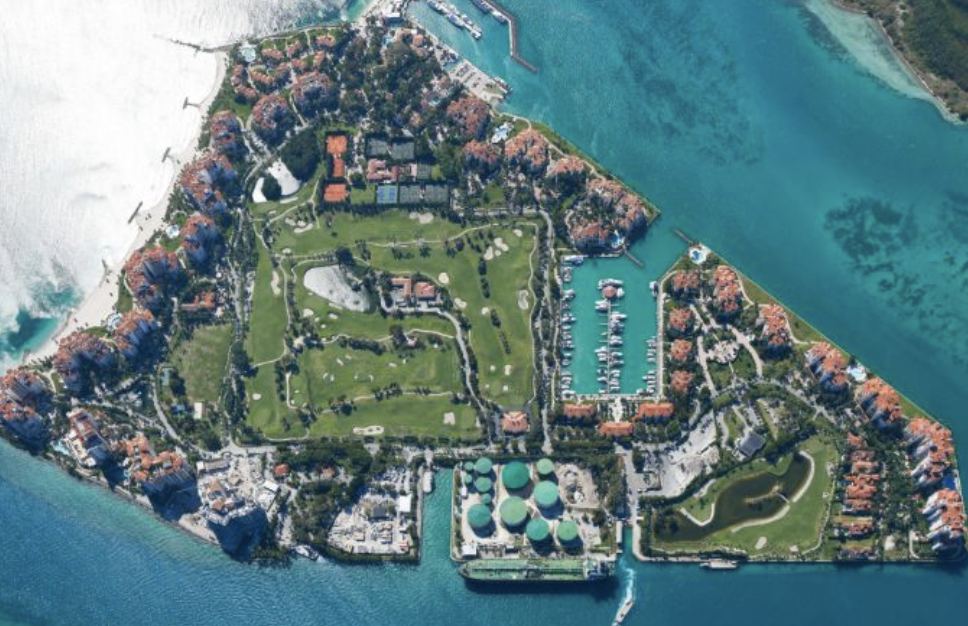 for the Fisher Island fuel facility, which county leaders had repeatedly assured commissioners was under control — right up until it wasn’t. The century old facility was purchased by private developers who plan to build luxury highrises there instead.
Now the county finds itself staring at a price tag that has nearly doubled, a looming fuel-supply crisis at one of the world’s busiest cruise ports, and a political mess that is beginning to engulf Mayor Daniella Levine Cava‘s administration over how Miami-Dade lost control of a strategic asset that everyone seemed to know was essential.
Except, apparently, the people negotiating for it.
For years, county officials had opportunities to acquire the facility for a fraction of what it may now cost taxpayers. Instead, the administration pursued studies, consultants, reports, negotiations and more negotiations while private interests moved ahead.
Now the latest proposal floating around County Hall would have taxpayers shell out roughly $400 million to purchase the depot.
But Political Cortadito has learned that proposal is effectively dead on arrival.
Las malas lenguas say the mayor is expected to reject the administration’s plan to pay the eye-popping $400 million asking price — more than twice what the current owners paid — and instead pursue eminent domain proceedings to acquire the property.
That may sound tough and decisive. It may also take years.
And we will have to hear Commissioner Oliver Gilbert — who pushed eminent domain proceedings early — saying he told us so.
Read related: Eminent domain item at Miami-Dade could be result of fuel depot debacle
In the meantime, Miami-Dade remains without control of the fuel infrastructure that supplies the cruise ships, cargo vessels and other maritime 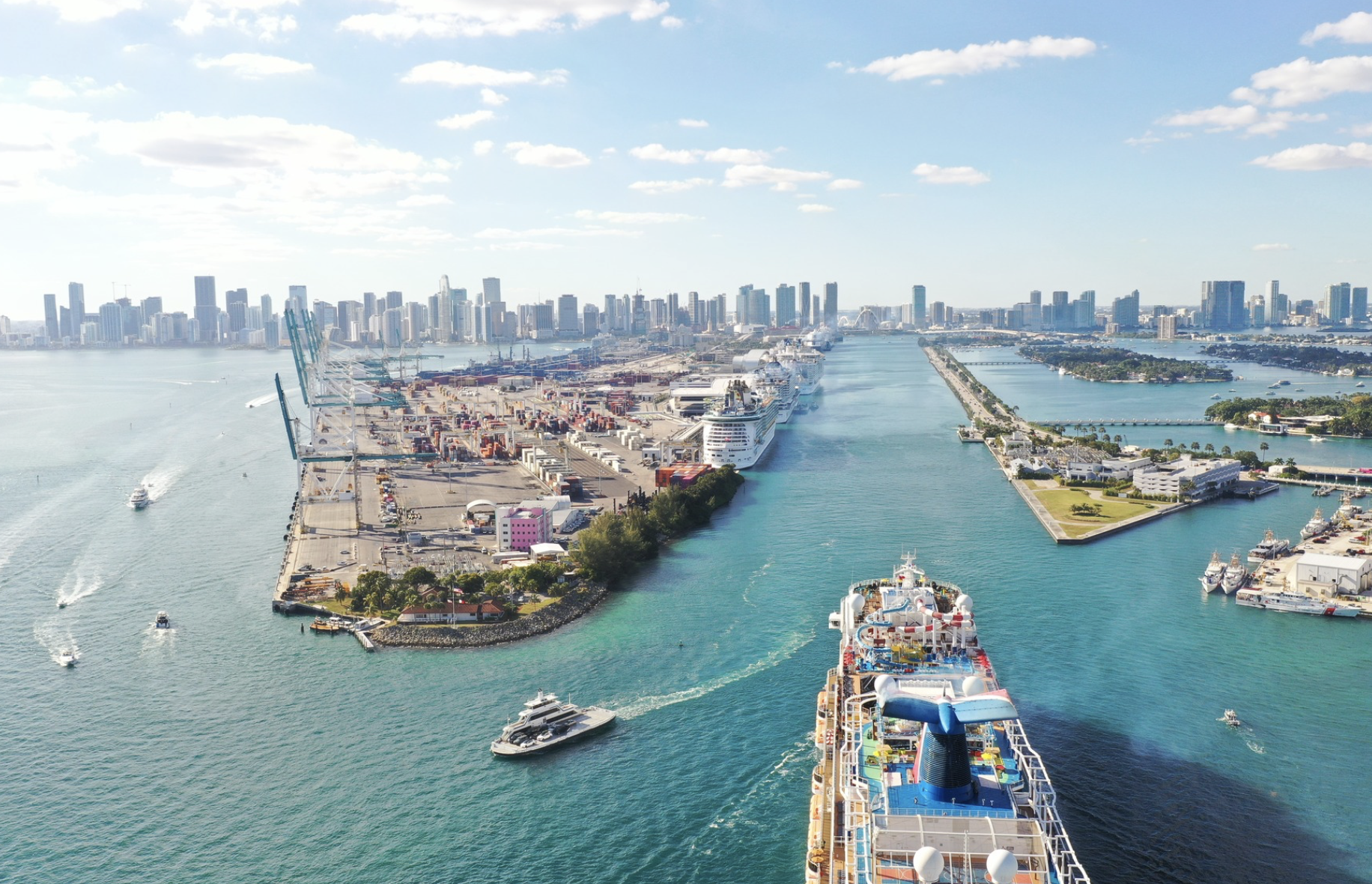 operations that generate billions of dollars for the local economy and hundreds of thousands of jobs.
Commissioners from both sides of the political aisle have spent the last several weeks demanding accountability. Wednesday’s resignations appear to be the administration’s first answer.
Whether they are enough remains to be seen. Some people see them as scapegoats, fallguys. Others say they are the appropriate ones to take responsibility because they are the ones in charge of Port business.
But what is certain is that while two senior officials are now gone, taxpayers are still left holding the bill for one of the biggest real estate and infrastructure blunders in recent county history.
For Jimmy Morales, the resignation is a stunning final chapter to a public career that has lasted longer than some current commissioners have been alive.
Morales has been just about everything in Miami-Dade government except mayor. He served as county commissioner, county manager, city attorney for various municipalities, Miami Beach city manager and most recently as La Acaldesa’s chief operating officer — a title that essentially made him the county’s day-to-day traffic cop. Mayor Levine Cava had to meet with black leaders who were against his appointment, because of tense relationships with the community as Miami Beach manager, and give them assurances.
Read related: Jimmy Morales gets reprieve after Miami-Dade mayor meets w/ NAACP
For years, Morales cultivated a reputation as the consummate government insider: smart, methodical, politically savvy and usually three moves 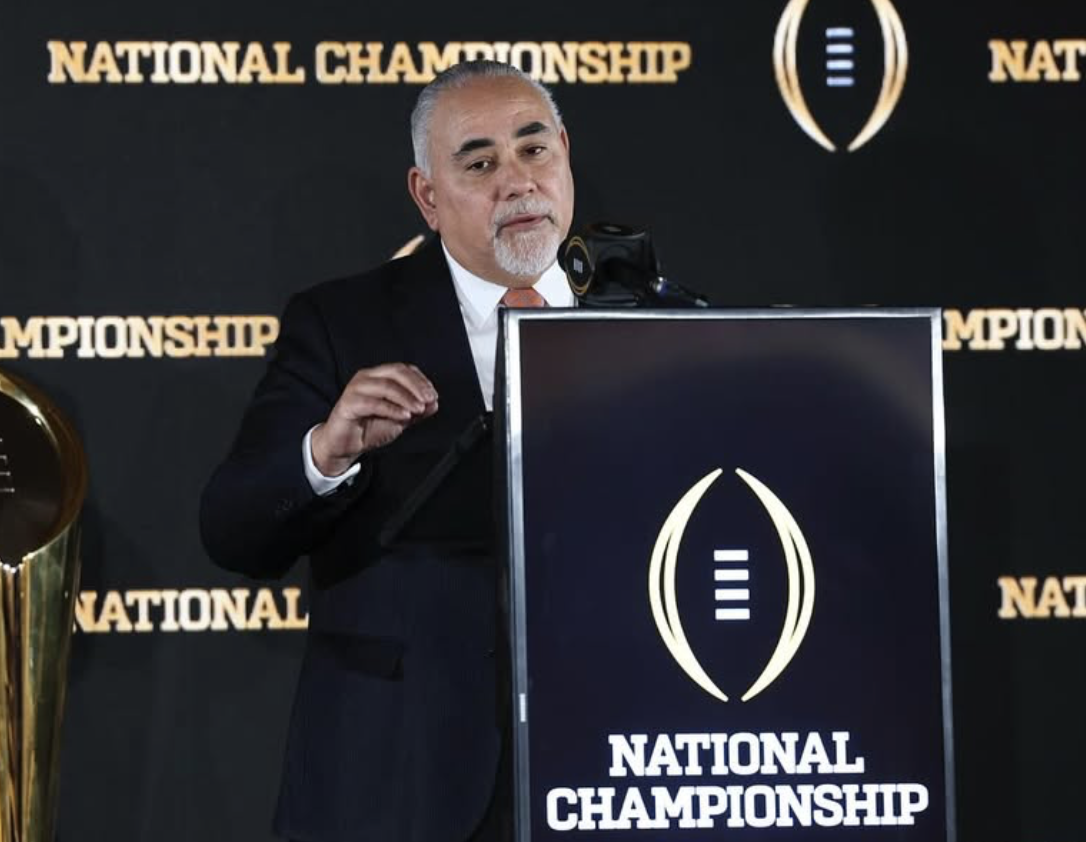 ahead of everyone else in the room.
Which is why so many people around County Hall are struggling to understand how an administration packed with experienced hands managed to fumble something as strategically important as the PortMiami fuel depot.
Morales survived political wars, budget crises, mayoral transitions, commission revolts and the occasional public corruption scandal swirling around him. In the end, it wasn’t any of those things that appears to have brought his career to a close.
It was a fuel tank.
Unlike Morales, whose résumé reads like a tour through every major corner office in local government, Hydi Webb’s career was largely built inside the maritime industry.
Webb came to PortMiami after years in the port business, including leadership positions at ports in Texas and Virginia, before arriving in Miami-Dade as the port’s deputy director. She eventually became director in 2022 after serving as interim chief and was tasked with overseeing one of the county’s most important economic engines.
For much of her tenure, Webb stayed out of the political spotlight. Unlike the elected officials and political appointees who populate County Hall, she was viewed as a career administrator — a port professional whose focus was cargo, cruise ships, infrastructure projects and keeping one of the world’s busiest seaports moving.
In many ways, that made her an unusual figure in Miami politics. She wasn’t a political operative. She wasn’t a campaign veteran. She wasn’t a 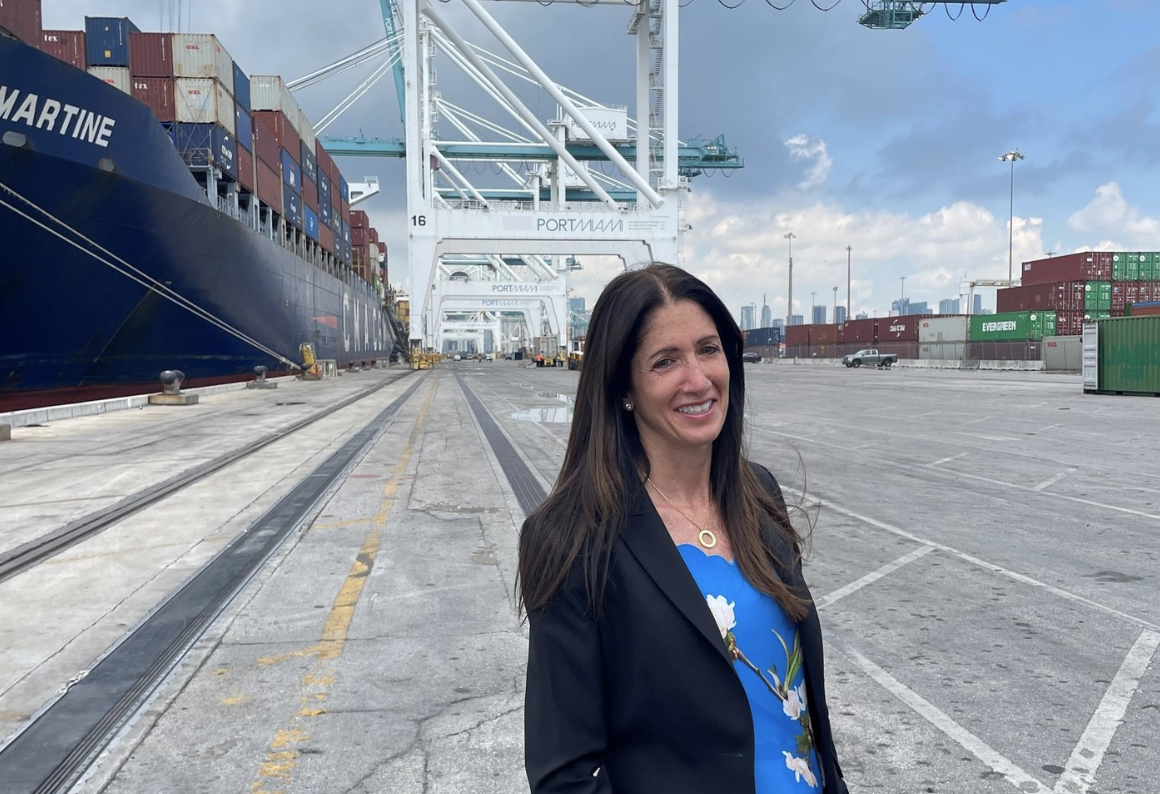 commission insider.
She was a port director.
But that distinction ultimately may not have mattered.
As questions mounted about how Miami-Dade lost control of the fuel depot serving PortMiami, Webb increasingly found herself in commissioners’ crosshairs. What began as concerns about a real estate transaction evolved into broader questions about communication, planning, negotiations and who knew what — and when.
By Wednesday night, the answers apparently weren’t good enough.
Read related: County to spend $381 million on new PortMiami terminals for MSC Cruises
Now Webb leaves the post she spent years working toward with her legacy tied not to record cruise passenger numbers, cargo growth or infrastructure improvements, but to the fuel depot controversy that has become one of the biggest political headaches facing the Levine Cava administration.
In Miami-Dade government, that’s often how it works.
You can spend years building a career. Sometimes people only remember the last chapter.
Webb spent years helping bring ships into the port. In the end, it was one fuel depot that sank her.
This kind of independent, government watchdog reporting is crucial to transparency and democracy. And more so every day. Help shine a light on the darker corners of our community with a contribution to Political Cortadito. Click here. Ladra thanks you for your support.

Jimmy Morales, PortMiami director quit over Fisher Island fuel depot fiasco added by Ladra on
View all posts by Ladra →
