
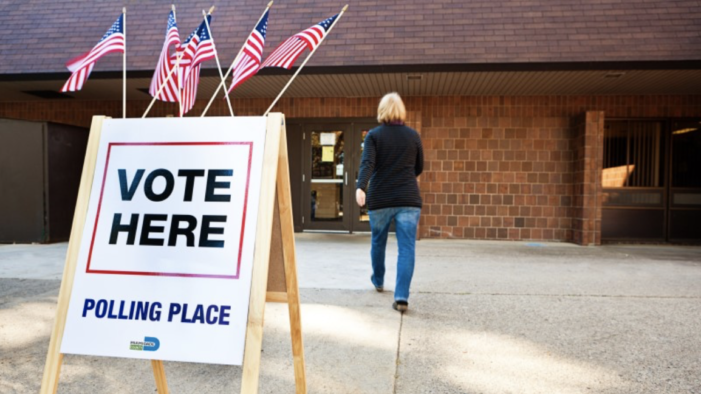
The ‘Stronger Miami’ movement wants more, faster reform
Just one year after Miami commissioners got publicly body-slammed by two courts for trying to award themselves bonus time in office, without going to the voters first, the city is finally putting the long-debated election-year switch on the ballot. In August.
On Thursday, the Miami City Commission voted 3-2 to give voters to chance to approve a charter amendment that would eventually move city elections from odd-numbered years to even-numbered years — in almost a decade. Commissioners Miguel Gabela and Christine King — who was salty that the mayor took over the gavel (more on that later) — voted against it.
Commissioner Damian Pardo, who has made this his signature reform crusade, finally appears to have found a version that doesn’t immediately trigger constitutional alarm bells. Instead of giving politicians extra time in office — which is what blew up 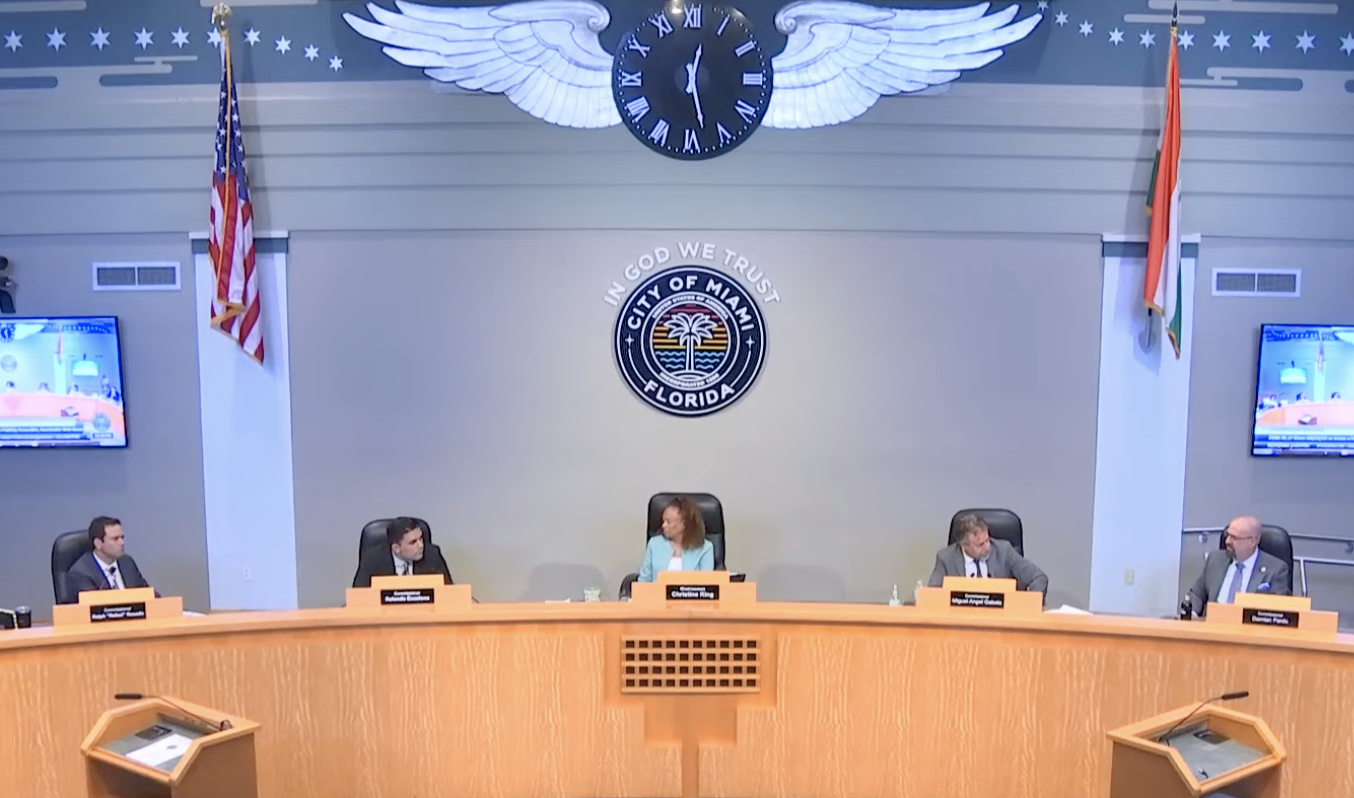 spectacularly last year — this version eventually shortens terms from four years to three years for one election cycle in the early 2030s so the city can sync up with even-year elections beginning in 2034.
Conveniently, nobody currently sitting on the dais has to sacrifice a single minute of their own term. How brave.
Every sitting commissioner would serve out this term and the next four-year term, if re-elected in 2007 and 2009, because the one-time three-year terms are in 2031 for Districts 1, 2 and 4; and 2033 for mayor and Districts 3 and 5. Then in 2034 and 2036, they would revert back to four-year terms.
Read related: Damian Pardo still wants an extra year in Miami election calendar change
“Personally, I think 2030 taking a year from the next election, would be doable for me, but I also know that not everybody is comfortable with imposing that on other people who already came in with the expectation of having regular terms,” Pardo explained at the meeting.
Pardo said that none of his colleagues would be amenable, but unless he spoke to them privately — which he’s not allowed to do under the Florida Government in the Sunshine laws — then that’s not the case. Because, publicly, Commissioners Gabela, King, Rolando Escalona and Ralph Rosado have previously said they’re okay with losing a year.
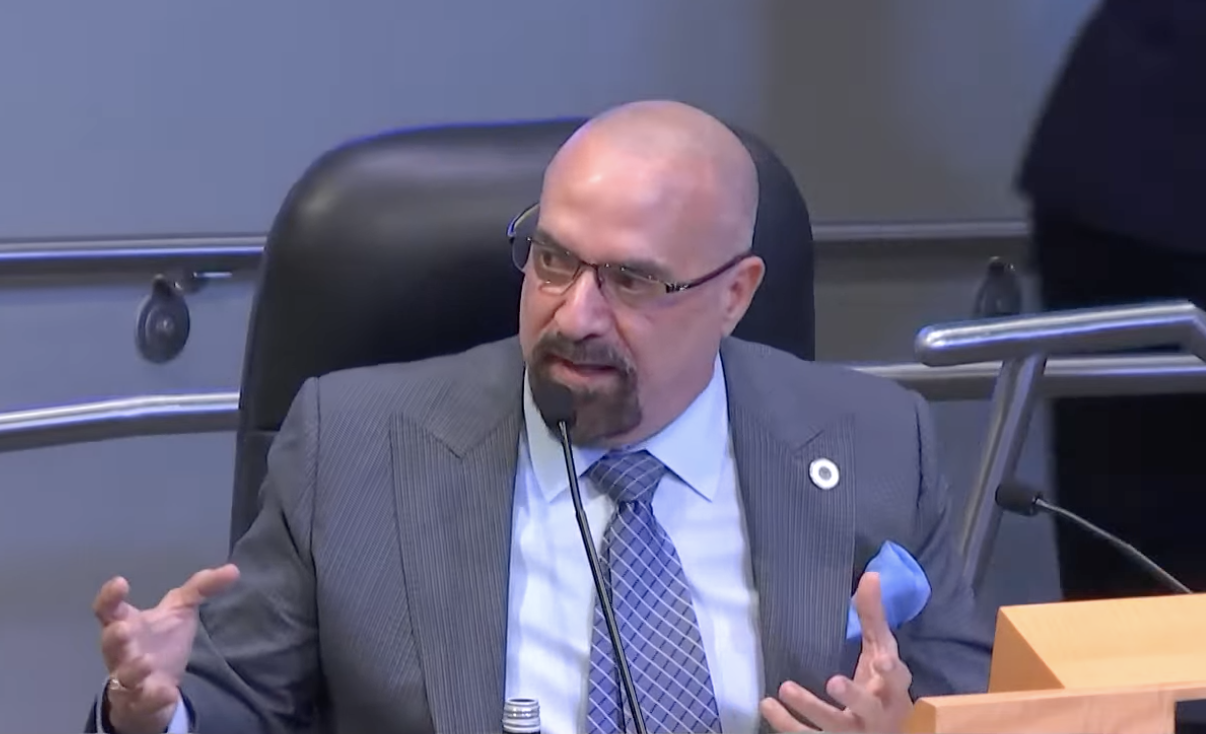 “If we ever tried to touch an existing term that we all are sitting in, it’s open, very open to legal challenge,” Pardo said.
But it’s just him, because he already knows he’s a one-term commissioner. It took a lot to get him to give up that extra year, which is what he and everyone else would have gotten when commissioners last year voted to simply cancel the scheduled city election last November and extend everybody’s terms by a year — including then-Mayor Francis Suarez and term-limited Commissioner Joe Carollo.
Residents called it a power grab. The courts agreed. After former City Manager Emilio Gonzalez sued — at the time, he was a mayoral candidate — the commission vote was struck down. An appellate judge memorably described the Pardo maneuver as “a charter amendment dressed in lesser clothes.”
The political backlash was so radioactive, in fact, it became one of the defining issues of the 2025 mayoral race eventually won by Eileen Higgins, who criticized the original scheme while campaigning. But Gonzalez, who is responsible for the election happening, got into the runoff against better known names like Carollo and Alex Diaz de la Portilla, another ex commissioner.
Pardo said that the one year plus or minus debate that has been going on for months was really because he had “depended on the legal opinion at the time as to what is not legally defensible.” Way to throw City Attorney George Wysong under the bus.
He also said that the Gonzalez lawsuit was “a challenge we never expected.” But everybody warned him and the other commissioners that such a change, without going to the voters, would definitely end up in court. So, did he forget?
“We definitely want to avoid that as much as possible and the way to avoid that is by following the advice of counsel and taking away that year on that impacted group,” Pardo said.
It sounds like he’s the one who would have sued. And he told Wysong — who sounded very tired — that.
“Notwithstanding the fact that there are cities and towns across the state of Florida doing exactly the same thing — there is ne in Broward doing it now — the city of Miami is unique in that folks will sue,” Wysong said. “The city of Miami gets sued 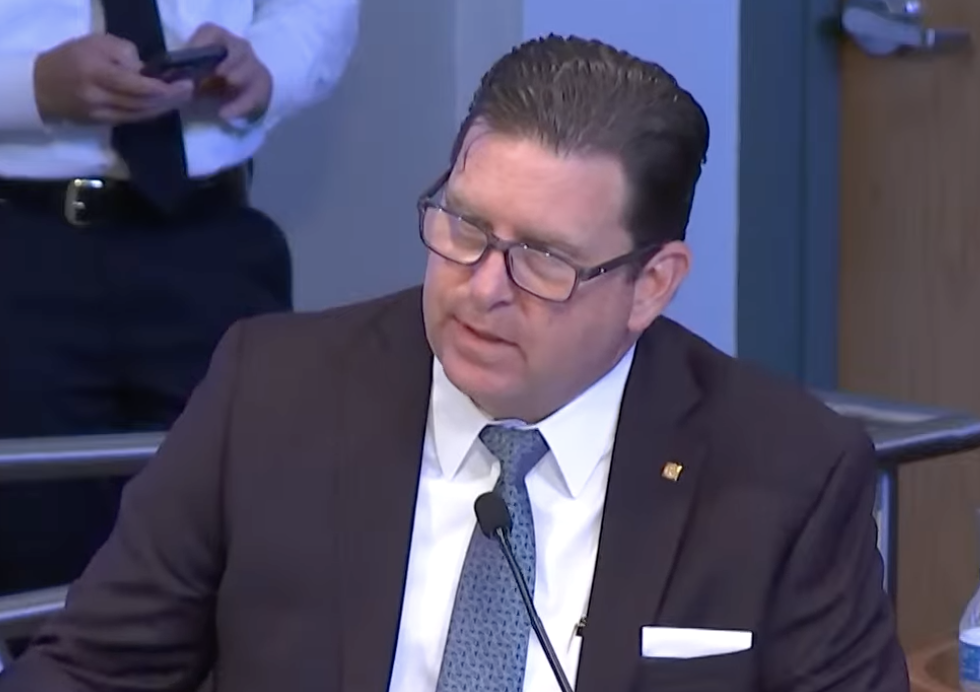 in these matters for whatever reason and we wouldn’t want that to be a pitfall for your reform.”
For whatever reason? Folks sue because you violate their rights left and right, dude. That’s what the judges said.
Higgins also supports moving elections to even years — which, to be fair, many reform advocates want because turnout in standalone Miami elections is often embarrassingly low. But the mayor volunteered to shorten her first term, calling for even-numbered elections beginning in 2028, not 2034. September had such an item on the agenda Thursday, but withdrew it — under duress, apparently.
“I’m not pleased about it,” Higgins said.
Read related: Eileen Higgins asks for ballot item to change Miami election year, cut her term
The commission’s latest solution says a lot about City Hall psychology: Everybody supports sacrifice eventually. Just not personally. And preferably not until after they’ve retired.
So instead of shortening terms immediately, the next elections happen normally, four-year terms continue for years, and only future officeholders get stuck with the one-time three-year terms needed to make the calendar work. Got it.
Miami politicians finally found a reform plan they can stomach — because somebody else gets inconvenienced later.
Also, they are only embracing limited reform. The commission moved remarkably fast to put this proposal before voters for a version of government that preserves the current commissioners’ power structure. But what about the broader “Stronger Miami” reforms?
In addition to a change of election year, that group’s petition would also increase the number of commission districts — meaning fewer voters and less concentrated political power per commissioner — and put redistricting safeguards in the city charter, a result of the obvious gerrymandering in Miami that a judge had to cure in 2022.
Mel Meinhardt, one of the leaders of the multi-coalition Stronger Miami effort, asked the commission to defer, saying there was no urgency and that the “well-intentioned” referendum item was a partial one.
“Incomplete reform can look like progress while leaving deep structural problems unresolved,” Meinhardt said at the meeting. 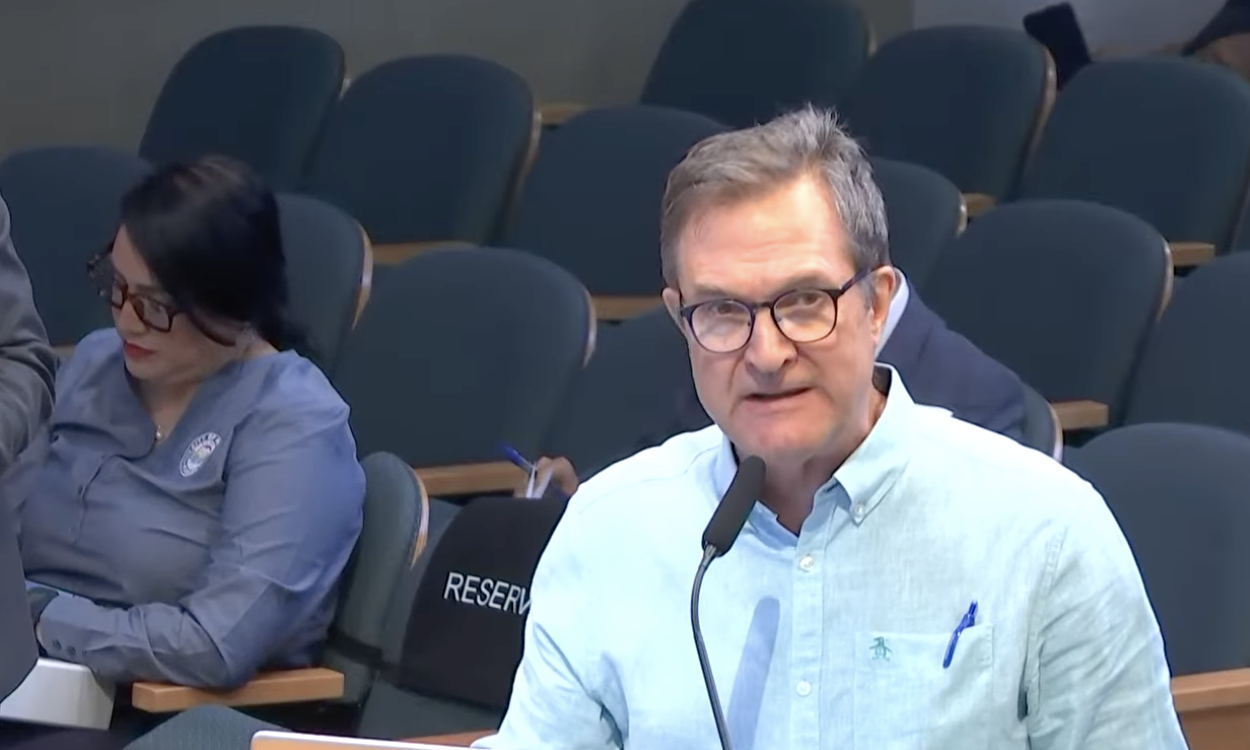 “Good governance argues for comprehensive reform. Miami history matters. It needs reform and it needs reform now.”
More than 20,000 people have signed the petition, which would put all the questions on the ballot at once. Meinhardt said people want more protections. “Especially protection actions election manipulation,” Meinhardt said. They’re basically at the necessary 10% of registered voters already but are still collecting to bet a wider margin or buffer in case some signatures are invalidated.
But if they are able to get their question on the November ballot, Meinhardt told Political Cortadito, it would supersede whatever happens in August — which means the move to even-year elections would happen before 2034.
Read related: Stronger Miami announces it reached its goal to put amendments on 2026 ballot
The voters “do not want mere calendar adjustments. They want trust, safeguards and accountability,” he told commissioners. “Miami doesn’t need to choose between reform and public trust. This asks votes to accept a trade they shouldn’t have to — if they want better government, then they first must give up something to those already in office? That’s the wrong starting point.”
Meinhardt told Ladra they were glad that the city moved forward with something taking a year away, because that settles the noise down around the election year change. But that the three measures are designed to support each other and should all be put on the ballot together, he said.
But that won’t happen unless a citizen petition forces it. Because reform becomes a lot less fashionable for incumbents when it risks diluting their influence or their power to redraw the maps in their favor, instead of merely rearranging election dates.
Funny how that works in Miami.
City Hall is apparently very enthusiastic about “modernizing democracy” right up until modernization starts threatening the size of anybody’s political kingdom.
This kind of independent, government watchdog reporting is crucial to transparency and democracy. And more so every day. Help shine a light on the darker corners of our community with a contribution to Political Cortadito. Click here. Ladra thanks you for your support.

City of Miami moves elections to even-numbered years — 8 years from now added by Ladra on
View all posts by Ladra →