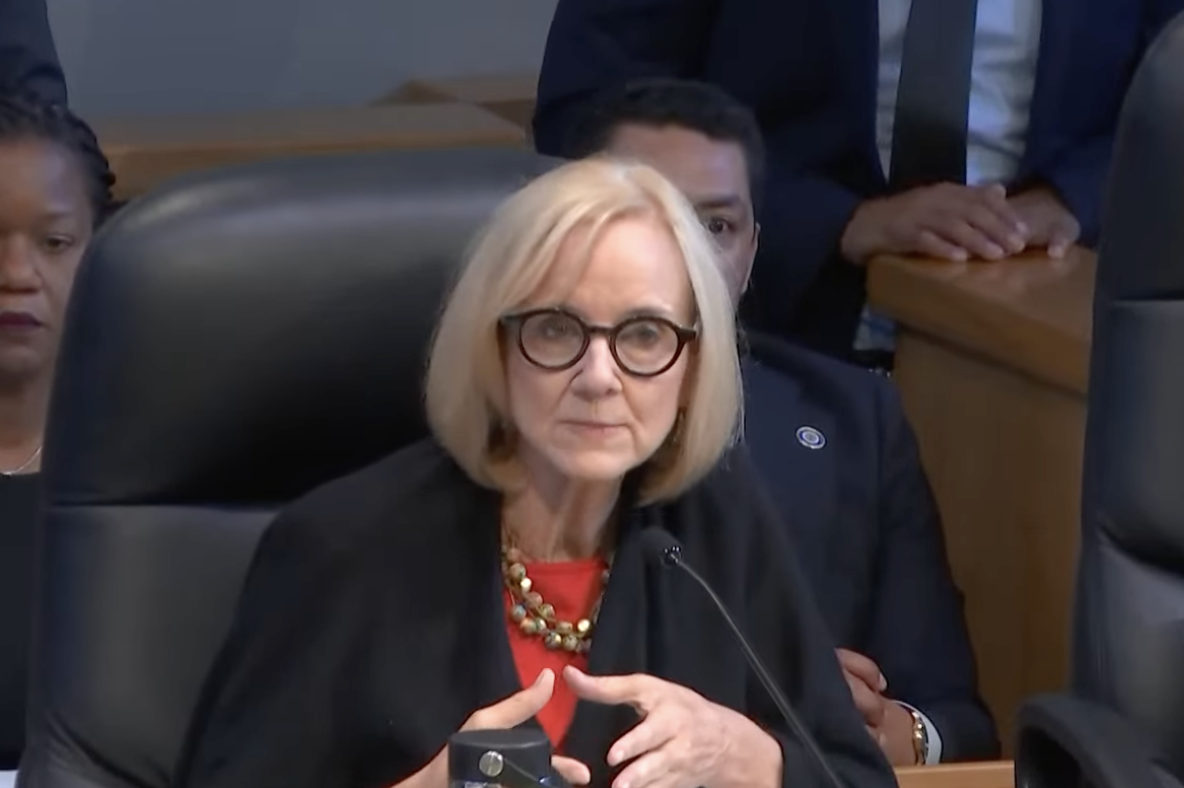
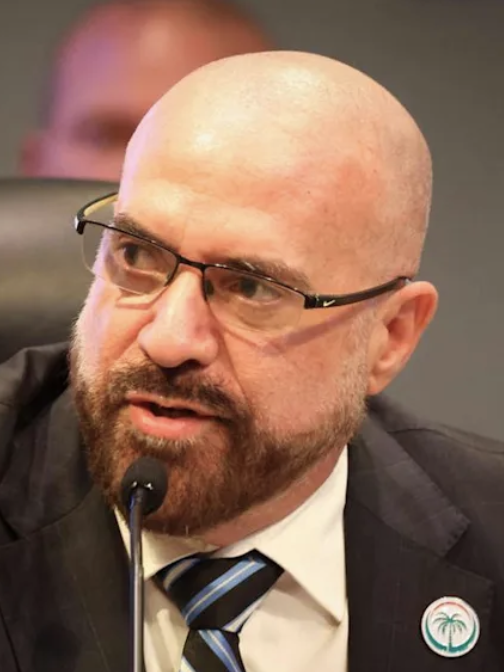
The election calendar is back on the table Thursday at the Miami City Commission — but this time, the math cuts the other way.
Mayor Eileen Higgins has put legislation where her mouth is by presenting a resolution that would ask voters to shorten her own term by a year in order to shift the 2029 mayoral election to August 2028 and lock future races into even-numbered cycles alongside state and county contests.
That gives her three years instead of four, but it’s something she has said she campaigned on.
No extensions. No five-year “transition” terms. No creative calendar gymnastics.
Just subtraction. A public service sacrifice.
Read related: Miami commissioners should shorten their terms for election year change
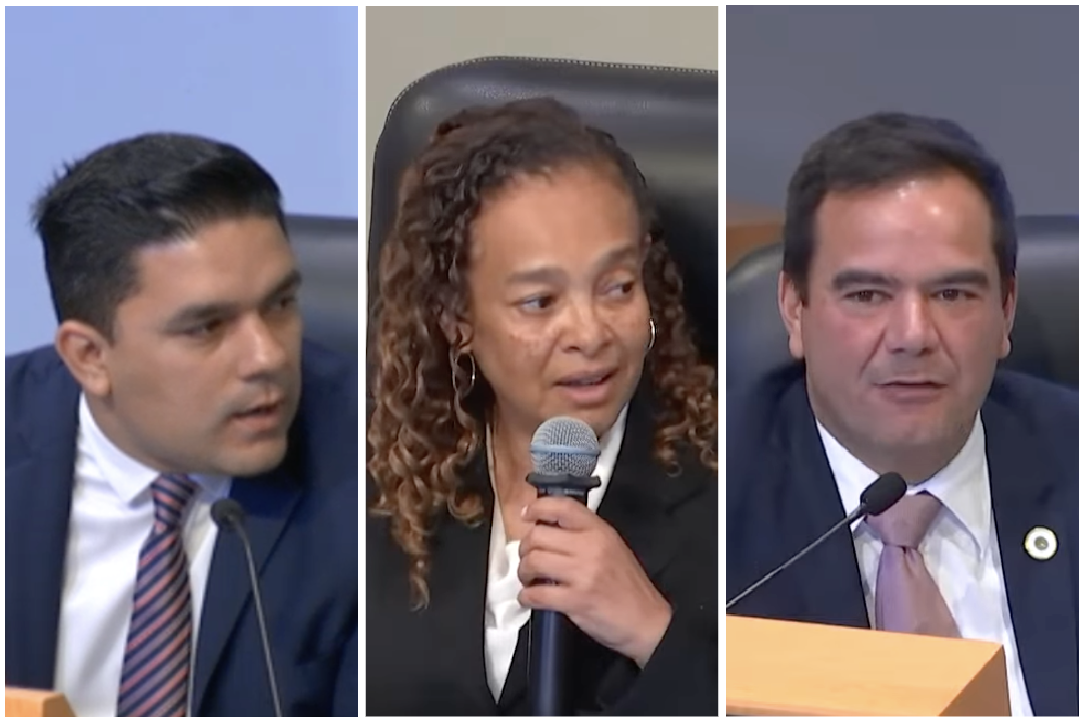
And it’s gonna be uncomfortable for the rest of the dais, who voted last month to give themselves an extra year, and  simultaneously very hard to vote against someone willing to give up power.
Because after months of hand-wringing speeches about turnout, reform and aligning with higher-participation elections, a no vote on this would land awkwardly. Opposing Higgins’ item would mean opposing even-year elections — at least for the mayor — or explaining why shortening a term is somehow worse than lengthening one.
That’s a tough soundbite.
La Alcaldesa II‘s measure directs the city attorney to draft a charter amendment for the August 2026 ballot that would move the November 2029 mayoral race up to 2028, adjust the runoff to November 2028 and permanently align future mayoral elections with statewide cycles.
Importantly, this applies only to the mayor — not to commissioners.
Which makes it a pointed contrast to last month’s proposal championed by Commissioner Damian Pardo that would eventually 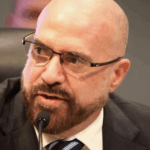 grant commissioners a one-time five-year term as part of the shift to even years. That effort came wrapped in reform language but carried the lingering odor of self-preservation.
Higgins’ version doesn’t.
Read related: Damian Pardo still wants an extra year in Miami election calendar change
Commissioner Miguel Angel Gabela has warned that even-year elections drown out grassroots candidates in the noise of bigger races. He said he may have only won because he ran in an odd numbered year. That argument still stands. But this item isn’t about who benefits — it’s about whether the commission is willing to let the mayor take the hit she promised voters she would.
If they vote yes, they reinforce the reform narrative. If they vote no, they’ll have to explain why keeping an extra year in office makes more sense than giving one back. Unless, of course, they bring up the confusion this could cause.
Because Pardo’s change — giving commissioners an extra year — would be on the same ballot, having been approved by commissioners last month.
Which they really shouldn’t have approved and maybe should reconsider this Thursday. Because the only one insisting on an 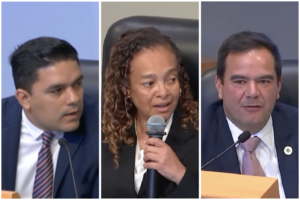 bonus, unelected year — probably because he knows he won’t win re-election — is Pardo.
Commissioners Ralph Rosado and Rolando Escalona immediately followed the mayor and said they’d be willing to shorten their terms. Commission Chair Christine King chimed in. “I wouldn’t be opposed to giving up a year either,” she said.
Moments earlier, Pardo was saying “no one would ever agree” to give up year because of their projects. But after everyone shrugged and made him a liar, he said there could be “legal complications.”
Ladra hopes that someone like Rosado or Escalona have the eggs to bring this up for reconsideration and just make it a blanket ballot question on all the seats. That would be real reform. Not the half-baked idea that Pardo cooked up to give himself five years in office instead of four.
Read related: Stronger Miami announces it reached its goal to put amendments on 2026 ballot
There is also a broader election overhaul — changing the election date, expanding the commission from five to nine districts and codifying redistricting rules so there’s no future gerrymandering — taking place. Activists with the Stronger Miami petition drive are pushing a faster, more comprehensive shift to even-year elections and have recently announced they have reached their goal of 20,500 petitions (though the city clerk has not yet confirmed that they are all valid).
But Thursday belongs to Higgins. She said she would give up a year. Now she’s asking her colleagues to let her.
And, quietly, she’s also kinda challenging them to join her.
The Miami city commission meeting starts at 9 a.m. Thursday at City Hall, 3500 Pan American Drive, and can be viewed on the city’s website or on its YouTube channel. The whole agenda is viewable here.
This kind of independent, government watchdog reporting is crucial to transparency and democracy. And more so every day. Help shine a light on the darker corners of our community with a contribution to Political Cortadito. Click here. Ladra thanks you for your support.