
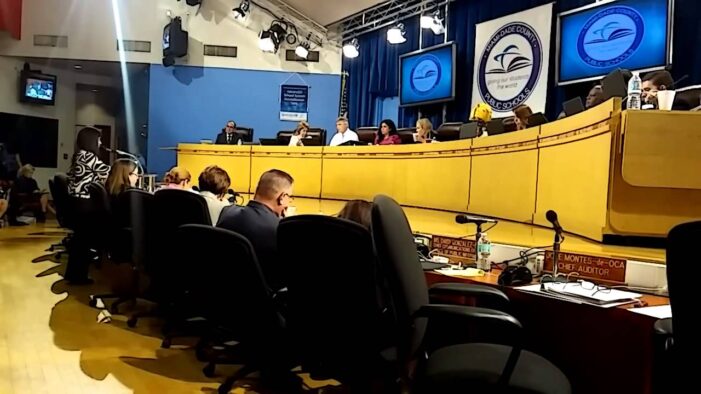
For the people constantly saying public education is the most important issue facing America, there sure weren’t a lot of people lining up to run the nation’s third-largest school district.
Candidate qualifying ended Friday for the Miami-Dade School Board elections and the result was less democratic showdown and more administrative paperwork.
Three incumbents didn’t even draw opponents.
That means no campaigns, no debates, no attack mailers, no awkward candidate forums at elementary school cafeterias.
Just automatic re-election.
School Board Chair Mari Tere Rojas, Roberto Alonso and Dorothy Bendross-Mindingall all coasted straight back into office without 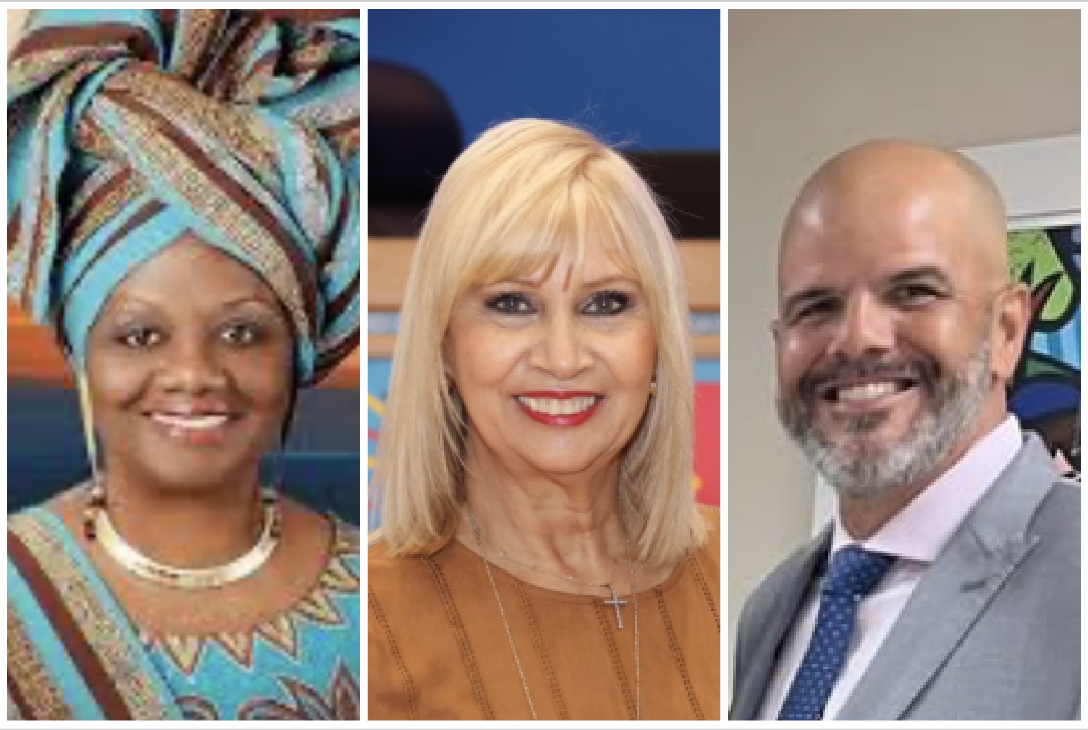 voters having to lift a finger.
Technically, they won. Practically, they got a participation trophy.
Read related: Nobody wants the job: Miami-Dade School Board races could be dismissed
The only incumbent facing any opposition at all is Vice Chair Monica Colucci, who drew a last-minute write-in challenger, education advocate Samuel “Sam” Joseph. who is an education activist, a lobbyist, executive director of the Urban Core Community Coalition and a consultant at Kristi House, according to his LinkedIn information.
And because Joseph qualified as a write-in candidate, most voters won’t even see his name on the ballot.
That’s right. The only contested incumbent race on the School Board won’t actually look contested when voters show up.
Only in Florida.
Meanwhile, the biggest action is in District 1, where former School Board member Steve Gallon resigned his seat to run for Miami-Dade County Commission.
Not that he’s exactly breaking a sweat there either. Gallon is running unopposed for Oliver Gilbert‘s commission seat, which he resigned to run for Congress. So Gallon leaves the School Board without a fight and may arrive at County Hall without one.
Talk about a smooth transfer portal.
His departure created the board’s only truly competitive race. Imagine that. The only reason anybody has an election at all is because somebody 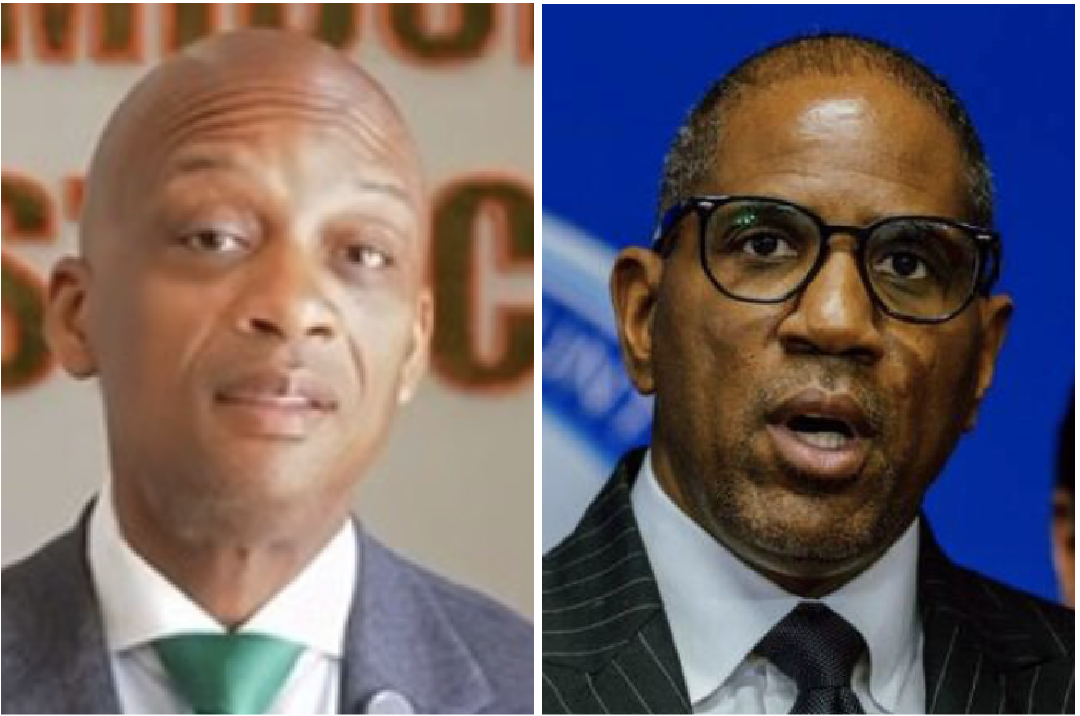 quit.
quit.
Nine candidates, including one write-in, qualified by Friday’s deadline. They are Linda Cothiere, Tyrone Hill Sr., Erhabor Ighodaro, Joy Jackson, Bernard Jennings, Thera Johnson, Wrendly Mesidor, Katrina Wilson and James Wright. Basically a softball team.
The lack of competition is striking.
This isn’t some obscure neighborhood advisory board deciding where to place speed bumps. This is a nine-member governing body that oversees a school district serving more than 300,000 students and managing a budget north of $7 billion. Seven. Billion. Dollars.
This week alone, they will consider awarding a $3 billion healthcare contract and approving a mixed use development on public land (more on that later).
Yet most of the seats attracted less interest than a homeowners association election.
And honestly, can you blame people?
School Board members earn roughly $54,000 a year. That’s about the same salary as a payroll clerk or a dental assistant or, uh, a first-year teacher makes. In fact, UPS drivers earn more.
For that salary, board members get to spend countless hours in meetings, get screamed at by activists on both sides of every issue, become targets in national culture wars, and absorb blame for problems largely created in Tallahassee.
Sounds fun, huh?
Public education has become the political equivalent of standing between two moving trains. The Legislature keeps expanding voucher programs. Charter schools continue to grow. State lawmakers increasingly dictate curriculum decisions. Enrollment continues to shrink.
And every enrollment loss means fewer state dollars flowing into district coffers.
Read related: In Miami-Dade, first day of school jitters come with ICE deportation fears
Miami-Dade isn’t just facing political pressure. It’s facing math.
And math always wins.
The district has already been grappling with declining student enrollment for years. Fewer students mean less state funding because Tallahassee’s  formula ties money directly to the number of kids sitting in classrooms. Now, educators say immigration crackdowns may be accelerating the trend.
Schools are losing students. The district is losing money. And somebody eventually has to figure out how to make the budget work.
That means the next School Board will likely face conversations nobody enjoys having.
School consolidations. School closures. Property decisions. Program cuts.
And perhaps the biggest decision of all: finding a new superintendent when Dr. Jose Dotres’ contract expires next February.
That’s a pretty important job.
In fact, it may be the single most important decision the board makes over the next several years.
Which makes it all the more remarkable that so few people seem interested in serving.
Of course, another factor may be money. Running against incumbents has become increasingly expensive and three of the four incumbents — Rojas, Colucci and Bendross-Mindingall — each raised more than $100,000. Alonso raised $80K. And nothing discourages potential challengers quite like opening campaign finance reports to discover your opponent has enough cash to wallpaper an entire district with mailers.
So perhaps the real story here isn’t that nobody cares about public education. It’s that public education has become one of the most difficult and least rewarding jobs in local politics.
You get blamed for everything. You control less every year. The pay is mediocre. And the biggest decisions often get made in Tallahassee anyway.
Which may explain why, when qualifying ended Friday, most potential candidates looked at the Miami-Dade School Board and collectively decided: “Yeah, I’m good.”
And just like that, three members were re-elected before voters ever got a chance to vote.
Democracy by default. Class dismissed.
Nobody is really covering the school board. Not like this. This kind of independent, government watchdog reporting is crucial to transparency and democracy. And more so every day. Help shine a light on the darker corners of our community with a contribution to Political Cortadito. Click here. Ladra thanks you for your support.

Nobody wants the job part 2: Miami-Dade School Board draws few entrants added by Ladra on
View all posts by Ladra →