
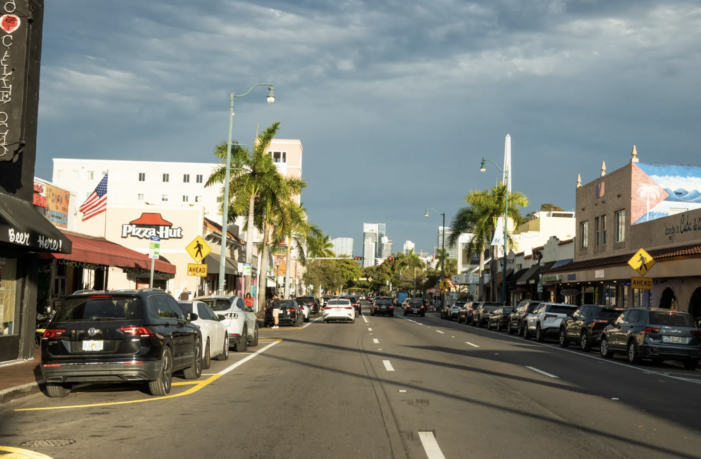
Former Miami Commissioner Joe Carollo’s last gift to Little Havana (read: developers) may finally be getting a makeover.
Whether you call it a housing initiative or a land giveaway probably depends on whether you’re a taxpayer, a developer or Carollo himself.
But one thing is clear: the controversial no-bid sweetheart deal Carollo pushed through in his dying days at Miami City Hall is back before the commission Thursday — and newly elected Commissioner Rolando Escalona is trying very hard to put his own stamp on it.
 But it’s like putting lipstick on a pig.
Because the original deal was vintage Carollo: rushed, dramatic — an $8.4 million giveaway loaded political baggage.
Just before leaving office last year, Carollo arranged for three politically connected developers — Michael Swerdlow, Nir Shoshani and Nuri Dorra — to receive city-owned land in East Little Havana for practically free under 99-year leases at $1 a year so they could build affordable housing.
No bidding. No competition. No, “Hey maybe other developers might want this public land, too.”
Just boom: Here you go, gentlemen.
Read related: Rolando Escalona sworn in as Miami’s newest city commissioner = D3 reset
It’s really two properties. One is on 8th Street and 14th Avenue, across the 16,000-square-foot lot with the old Optica Lopez building on it, at 1340 SW 8th Street, that Swerdlow also has rights to. It is an empty lot on the corner, about 40,000 square feet valued at $4.2 million, according to a Miami-Dade Property Appraiser search. A second parcel on Southwest 8th Street between 9th and 10th Avenue is 33,500 square feet and worth, 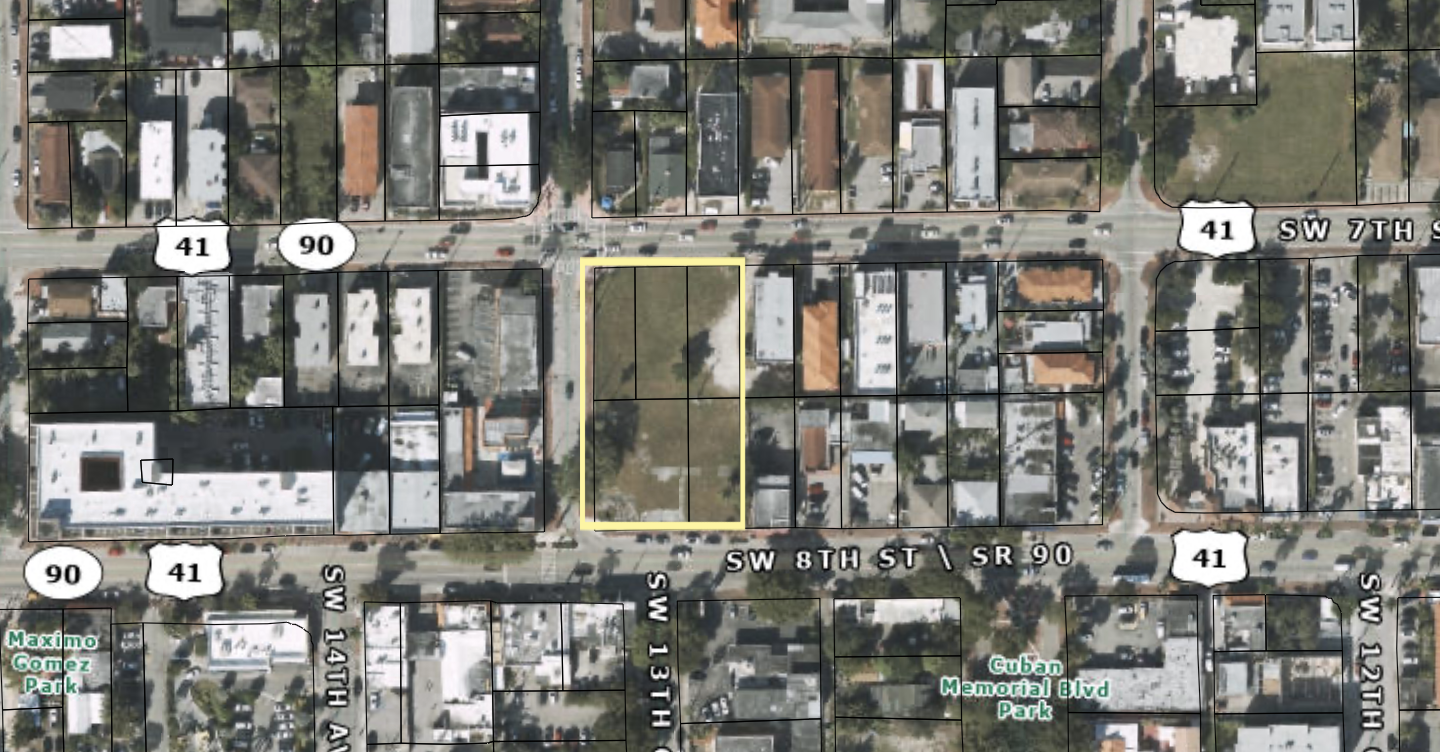 again, $4.2 million.
Escalona told Political Cortadito that he was not in favor of the giveaway, but that he will make the most out of it. The lease, while super cheap, makes sure that the land remains in the city’s possession. He also said that there are already two workforce housing developments in the pipeline and that he wanted something specific to seniors. These two separate buildings will have a total of 300 units, he said.
“We are not taking care of these seniors. They are on a limited income and cannot make it to the end of the month,” Escalona told Ladra, adding that rents would range between $300 or $400 and $800 a month depending on pensions and social security checks, etc.
Still, it seems like such a sweet deal to the developers. The parcels were collectively valued at more than $8 million. And as an added bonus, each developer was originally lined up to receive another $4 million in district money. They’re also going to develop a retail floor (or two) and get rent 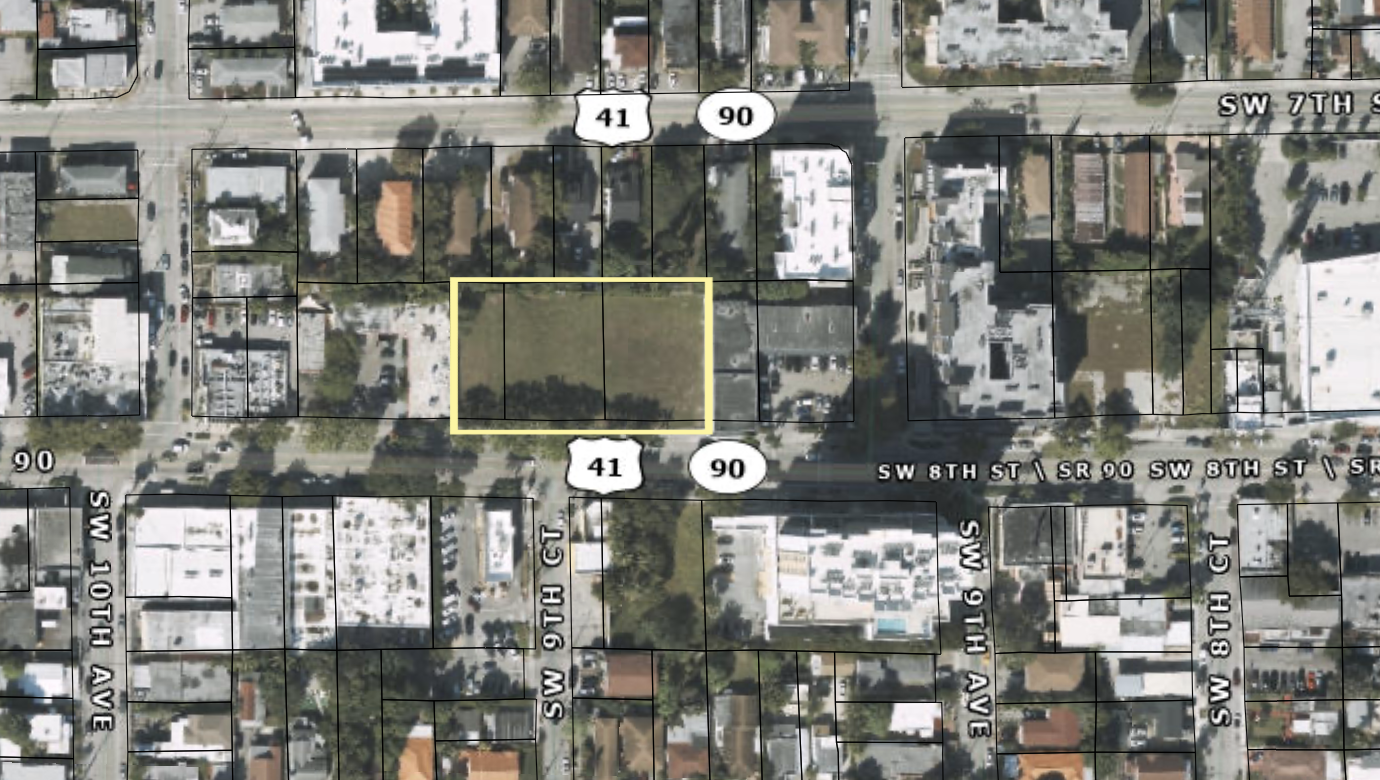 from those leases.
Because apparently giving away the land wasn’t generous enough.
Carollo called the whole thing his legacy project for Little Havana, arguing the neighborhood desperately needed affordable housing and seniors were being crushed by rent hikes. And to be fair, he’s not wrong about the housing crisis. Little Havana residents are getting hammered.
Read related: Miami’s Joe Carollo swoops in to snatch $770K from city funds in a settlement
But critics — including plenty inside City Hall — looked at the arrangement and saw the kind of old-school Miami insider deal that gives ethics lawyers migraines.
Especially because there was no competitive process.
The loudest skeptic at the time was incoming Escalona, who during the campaign and right after blasted the arrangement as a “land giveaway.”
But now comes the delicious Miami twist.
Escalona is not killing the deal. He’s renovating it politically.
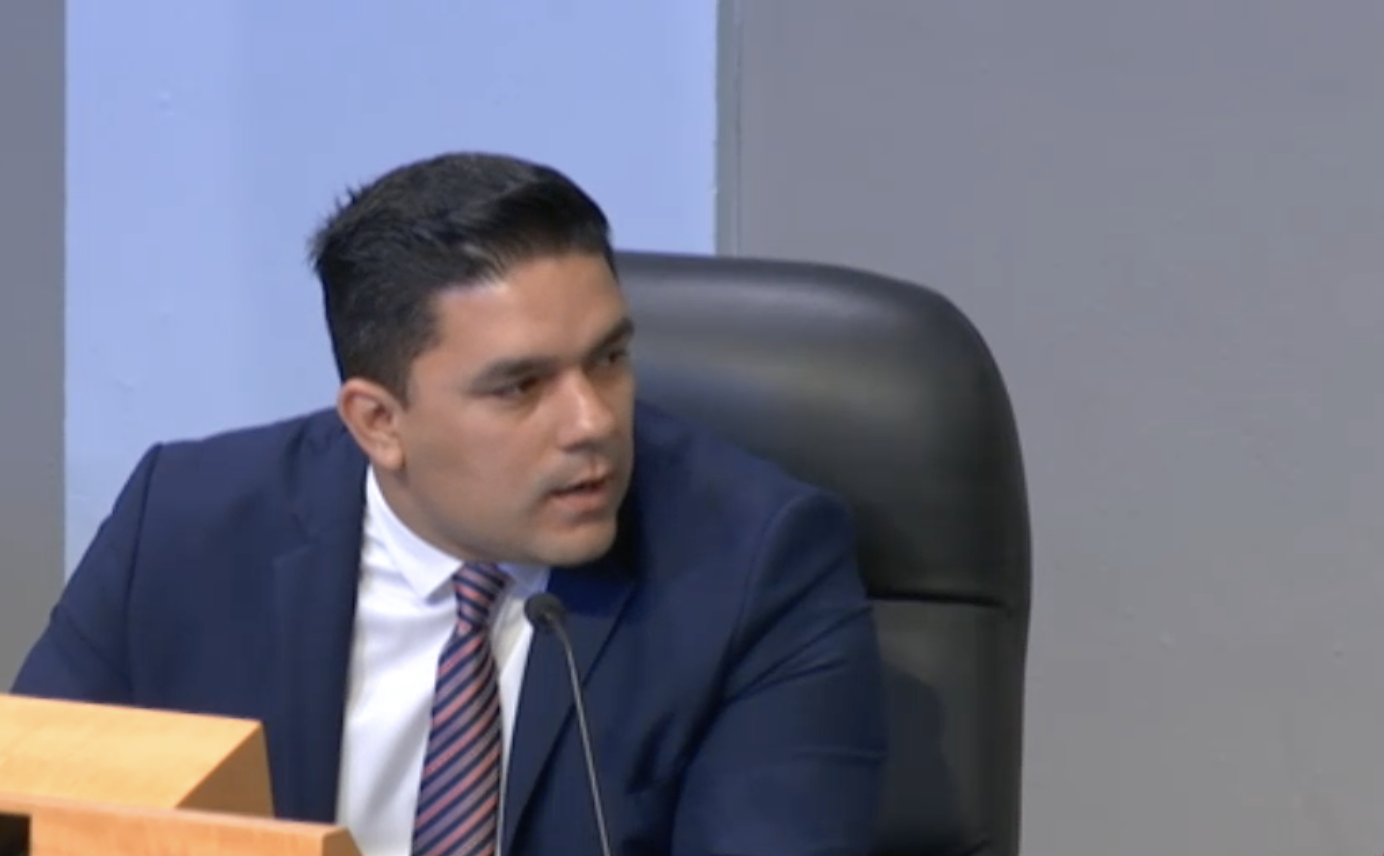 On Thursday, the commission will consider a resolution granting up to $4 million to Swerdlow’s project — now specifically framed as elderly affordable housing with 300 units for seniors earning 60% or less of area median income.
And suddenly the optics get a whole lot better.
Because it’s one thing to oppose a murky no-bid development package negotiated in Carollo’s final hours in office. It’s another thing entirely to vote against affordable housing for abuelitos in Little Havana.
That’s the genius of the pivot.
Escalona appears to understand that politically, affordable senior housing is almost untouchable. Nobody wants to be the commissioner accused of blocking apartments for elderly residents living on fixed incomes while luxury towers sprout all over Miami like fungus after a summer rainstorm.
So instead of detonating Carollo’s legacy project, Escalona is trying to sanitize it.
He rerouted the original $12 million subsidy package into a more public vetting process through the city’s Housing and Commercial Loan Committee. That gives the city at least a veneer of accountability and lets Escalona argue this is no longer the wild-west Carollo special critics originally blasted.
Read related: Baptism by fire at Miami City Hall for Eileen Higgins and Rolando Escalona
But the core reality remains: Public land is still being handed to private developers at almost no cost in the name of “affordable housing.” It’s an epidemic.
And Michael Swerdlow — one of Miami’s most politically connected and controversial developers — still stands to benefit enormously from a deal negotiated without competitive bidding.

Now, to be fair, Swerdlow is not some random newcomer flipping condos on Instagram. He actually builds large-scale housing projects, including affordable housing. His supporters say he’s one of the few developers capable of pulling off projects this large in today’s financing environment.
Critics counter that Miami always seems to find a way to hand prime public assets to the same well-connected players while regular people get public hearings after the decisions are already made.
And that’s the uncomfortable tension underneath Thursday’s vote.
Because Miami genuinely needs affordable housing. Little Havana genuinely needs affordable housing. Senior citizens genuinely need affordable housing.
But Miami residents are also exhausted by the constant feeling that public land deals happen in smoke-filled backrooms first and public transparency comes later — if at all.
Which makes this item less about whether seniors deserve housing. ¡Por supuesto que sí!
The real question is whether the only way Miami knows how to solve a housing crisis is through politically brokered insider deals with public land giveaways dressed up as the people’s salvation.
This kind of independent, government watchdog reporting is crucial to transparency and democracy. And more so every day. Help shine a light on the darker corners of our community with a contribution to Political Cortadito. Click here. Ladra thanks you for your support.

Workforce housing at Little Havana land giveaway to turn to senior housing added by Ladra on
View all posts by Ladra →
” Cubans stealing ”
My motto which unfortunately most disagree with because they confuse themselves / family with these serpent Cuban politicians is as far as politicians ‘ No Cubans , no problems ‘ as we are only screwing ourselves but IMO most Cubans are ethnic voters and most other Hispanic groups as a majority do not vote so not like what I would like to see because we ALL benefit is ever going to happen.
Cubans stealing. Theft of taxpayer land. Carollo took money in his pocket?