
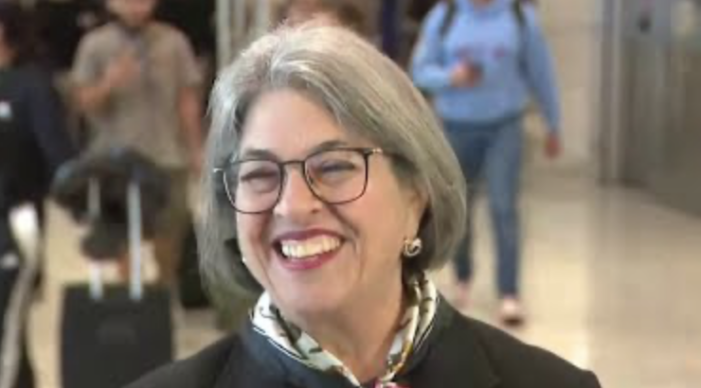
But questions remain about who financed the effort
The much-hyped recall effort against Miami-Dade Mayor Daniella Levine Cava led by former mayoral candidate and conservative YouTuber Alex Otaola has officially crashed and burned.
The revolution will not be notarized.
Otaola announced Wednesday, from his expansive ranch near Homestead, that his “Recall Cava” campaign did not come close to gathering the roughly 66,000 valid signatures required to trigger a countywide recall election. According to reports, the campaign collected somewhere around 25,000 signatures before the May deadline.
And honestly, the whole thing looked shaky almost from the start.
Read related: Recall vs Daniella Levine Cava hits another roadblock — typos and errors
The recall effort officially launched in January after county officials approved the petition language, giving organizers 120 days to 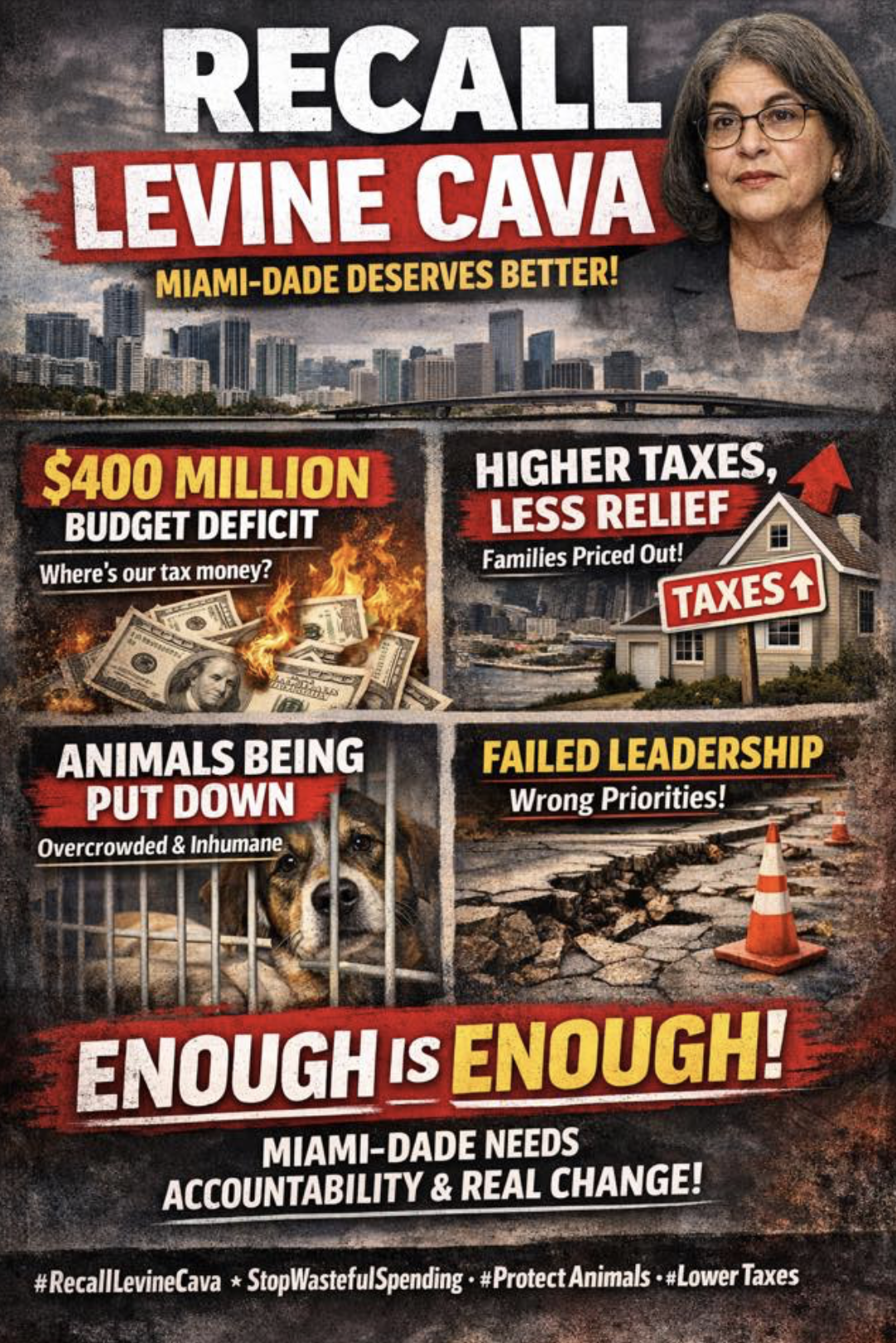 gather signatures equal to 4% of Miami-Dade’s registered voters. Otaola — who finished a distant third in the 2024 mayoral race with about 12% of the vote — framed the recall as a revolt against Levine Cava’s leadership, accusing her administration of mismanaging taxpayer money, mishandling county services and being too close to development interests.
The campaign tried to tap into broader frustrations involving flooding, Miami International Airport problems, homelessness, potholes, the county animal shelter and anti-development sentiment.
But the operation itself quickly became messy.
The original petition paperwork reportedly got rejected because of formatting and clerical errors. Then the PAC behind the effort — which raised a total of $7,146, mostly in small checks and some from as far away as Hickory, NC, and Yankton, SD (his YouTube fans) — missed campaign finance reporting deadlines, drawing criticism from Levine Cava allies, who mocked the recall as disorganized and unserious.
La Alcadesa’s political team openly called it a “sham” and a publicity stunt designed more to raise Otaola’s profile than actually remove the mayor. On Wednesday the mayor’s political team wasted approximately zero seconds taking a flamethrower to whatever remains of the wreckage and declaring total victory.
In a statement dripping with the kind of satisfaction usually reserved for championship locker rooms and revenge divorces, Senior Advisor Christian Ulvert called the recall campaign a “publicity stunt,” a “sham,” and an operation “built on lies.”
He also accused Otaola of running the effort “in the shadows,” hiding donors, violating state law with television ads and generally operating with what can only be described as Miami-style organizational chaos.
Read related: Recall PAC vs Daniella Levine Cava misses deadline for campaign report
Ulvert’s statement repeatedly hammered home one especially brutal statistic: Otaola lost the 2024 mayoral race by a landslide, and now he couldn’t even convince enough people to sign recall petitions after four full months of campaigning.
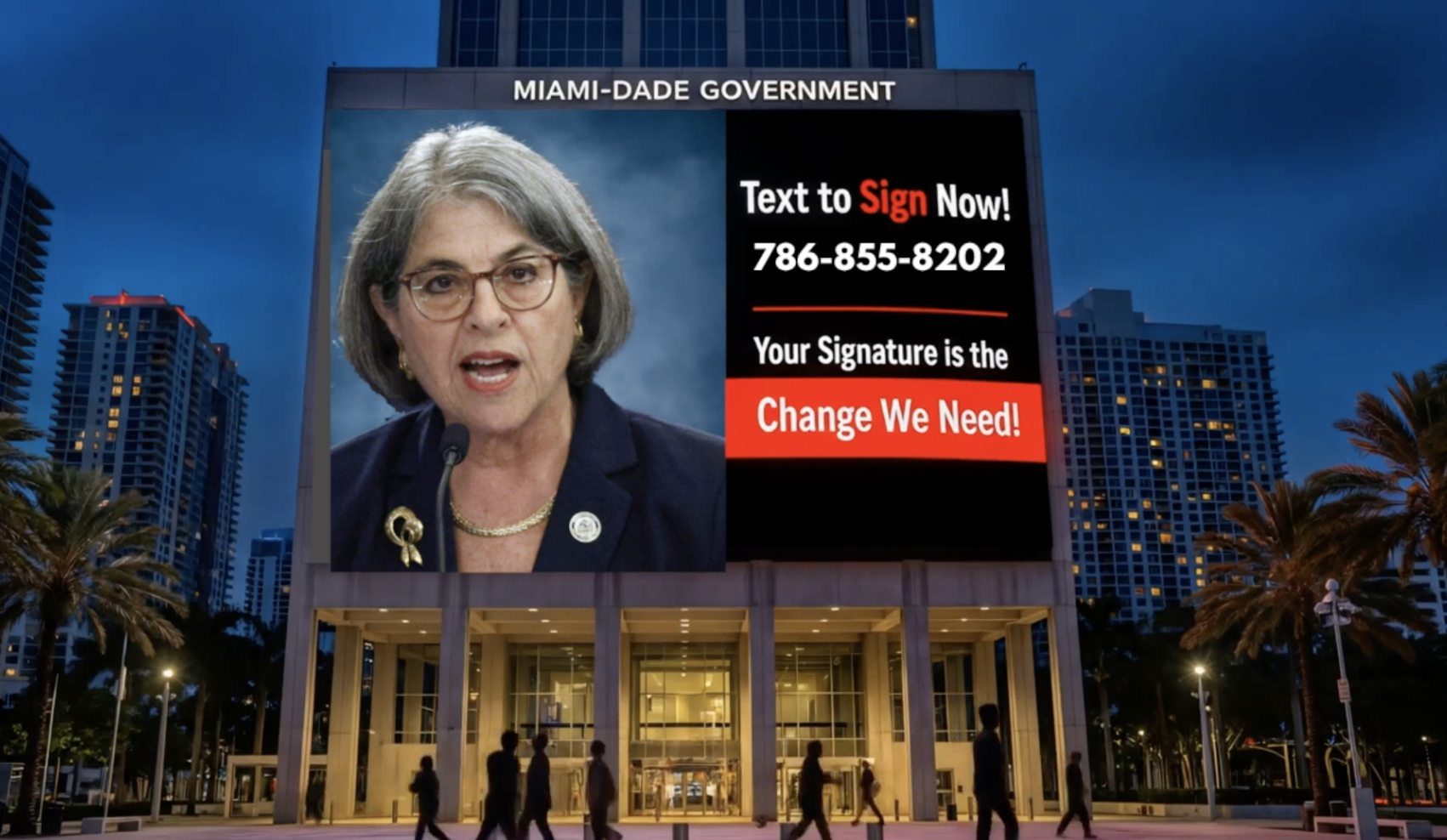
“Let’s be clear about what happened here: Otaola ran for mayor in 2024 and was rejected by 89% of Miami-Dade voters. Rather than accept that verdict, he launched a recall campaign and then refused to tell the public who was paying for it,” Ulvert said. “His political committee missed its financial reporting deadline. His TV ads violated state law. His committee’s own paperwork couldn’t even get his name right.”
Ouch.
“At every turn, this operation showed a stunning disregard for transparency, the rule of law, and basic competence,” Ulvert said.
To be fair, the recall effort had always faced astronomical odds. Miami-Dade recalls are notoriously difficult, requiring signatures equal to 4% of registered voters countywide — a massive logistical operation that usually demands serious money, serious infrastructure and serious political support.
Otaola appeared to have none of the above. No auto mogul Norman Braman to finance his recall dreams, like the recall against former Miami-Dade Mayor Carlos Alvarez had. Only Alvarez and former Miami-Dade Commissioner Natacha Seijas-Millan have ever been recalled and that was because she was on the same ballot.
Instead, Otaola’s campaign largely operated through his online following, conservative Spanish-language media appearances and a stream of anti-Levine Cava grievances involving everything from development issues to airport complaints to county bureaucracy to general anti-establishment rage.
But outrage on YouTube and outrage at the ballot box are not always the same thing.
And while Otaola undeniably commands a loud and loyal digital audience, the recall effort never appeared to gain meaningful institutional support from major Republican power players in Miami-Dade. That silence spoke volumes.
Otaola basically blamed the absent GOP. Specifically Miami-Dade Republican Party chair Kevin Cooper. “He is the boss of the 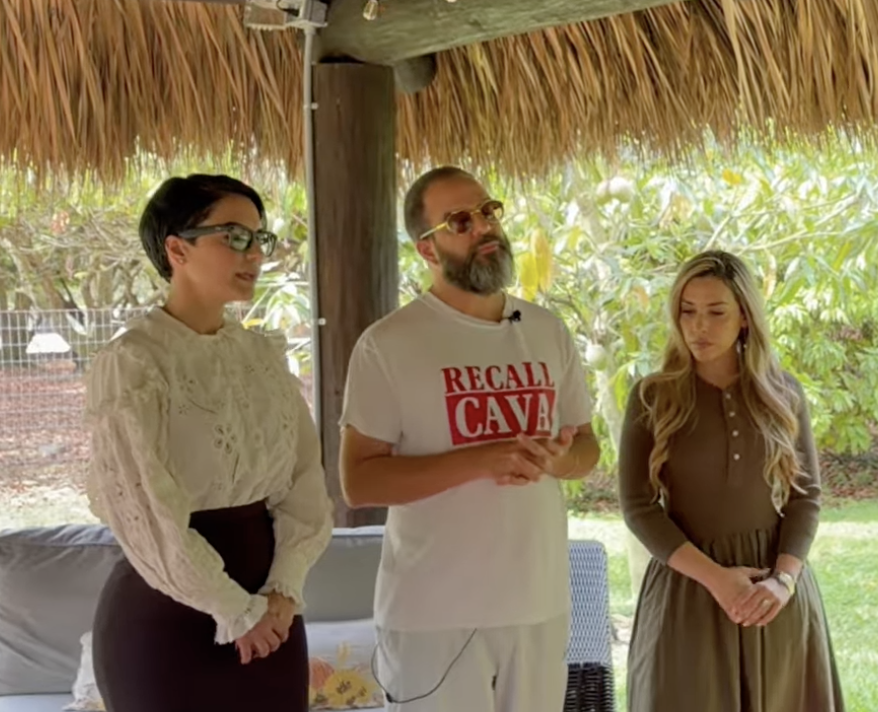 Republican Party here,” Otaola said.
“They said they were going to support us and nothing,” Otaola said, flanked by his two tradwife-type translators. “The only ones who helped us a little bit, but it was something, was the Young Republicans. They knocked on doors with us.
He said in a statement that the effort “would have triumphed” with the party’s participation.
Really? Like they triumphed in the mayoral race in 2024?
But one of his spokeswomen actually admitted that Otaola himself spoiled the effort.
“A lot of people, just because of his name… a lot of people were interested in signing, but the minute they found out it was something he launched, they refused the support even though it was clear they were not happy with the current government we have in Miami-Dade,” said the woman in the buttoned up white blouse.
Read related: Mayoral wannabe Alex Otaola wants to bring McCarthyism to Miami-Dade
Still, don’t expect Otaola’s supporters to quietly disappear.
The failed recall effort revealed something important about Miami-Dade politics: there remains a sizable anti-Levine Cava ecosystem fueled by conservative media, anti-development frustration, anti-establishment resentment and deep distrust of county government. That energy is real, even if it wasn’t nearly organized enough to pull off a recall.
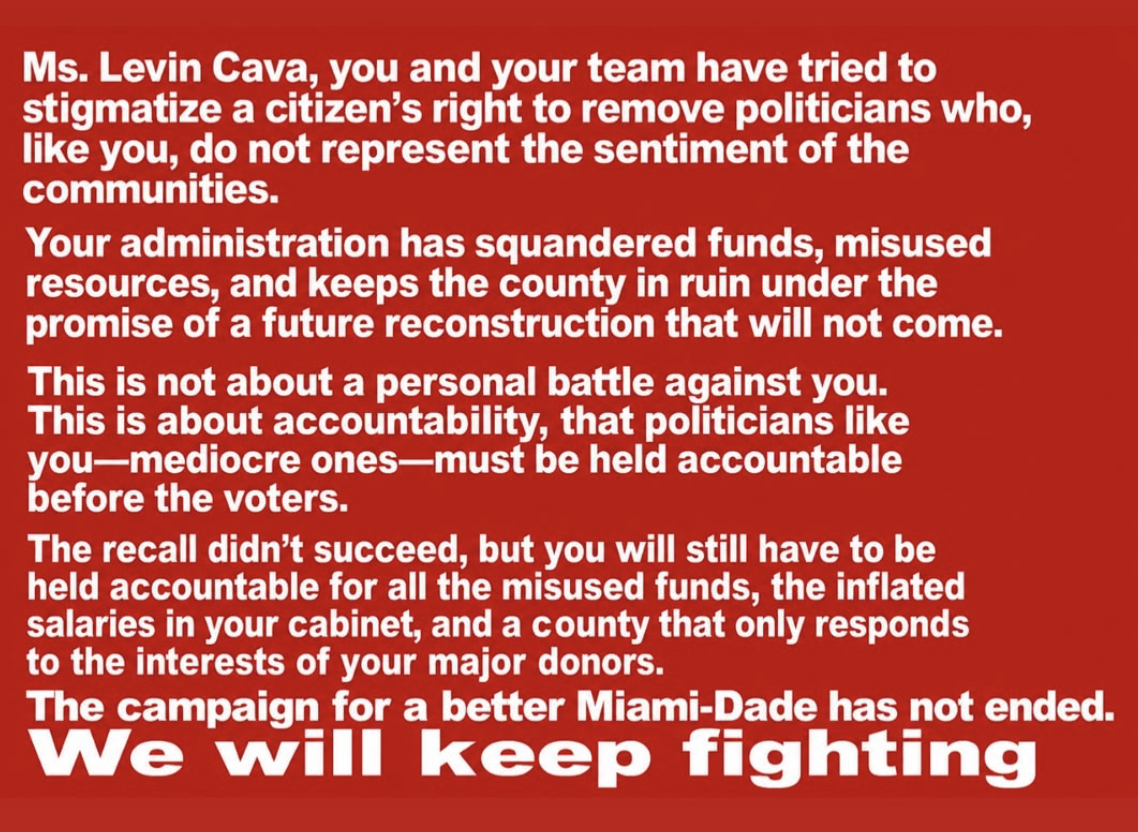 Otaola posted an Instagram message to the mayor after conceding defeat.
“This is not about a personal battle against you. This is about accountability, that politicians like you — mediocre ones — must be held accountable before the voters,” he wrote. “The recall didn’t succeed, but you will still have to be held accountable for all te misused funds, the inflated salaries in your cabinet, and a county that only responds to the interests of your major donors.
“The campaign for a better Miami-Dade has not ended. We will keep fighting,” he ended. Ominous.
Levine Cava’s team is too eager to frame the collapse as proof that Miami-Dade voters have decisively rejected Otaola’s politics altogether.
“This chapter is closed,” Ulvert declared.
Maybe. Maybe not. Ladra is still very curious about the campaign spending. The whole $4,218.10 spent went to You Graphix, Flagler Street outfit that specializes in car wraps. The notation on the campaign report, finally filed, says “paper.”
 What paper? What about the TV ads? The AI slop social media posts? Who paid for those?
“The voters of Miami-Dade deserve to know who bankrolled this effort,” Ulvert said in his statement. “They still don’t — because Otaola made sure of that.
“That is not how democracy works. That is not accountability. That is someone using politics as a personal brand exercise while hiding behind dark money and AI-generated ads that can’t even pronounce the Mayor’s name.”
That’s right. The ad pronounced her name “Cave-ah.”
But in Miami politics, chapters never really close. They just pause briefly until somebody launches another PAC, another podcast, another lawsuit or another “citizen movement” out of an industrial office park in Doral.
Still, for now, Levine Cava survives the recall threat easily — and Otaola is left holding what may be the most Miami political souvenir imaginable: A failed petition drive, missing finance reports, questionable ads and several thousand very enthusiastic Facebook comments.
This kind of independent, government watchdog reporting is crucial to transparency and democracy. And more so every day. Help shine a light on the darker corners of our community with a contribution to Political Cortadito. Click here. Ladra thanks you for your support.

Recall effort against Miami-Dade Mayor Daniella Levine Cava fails miserably added by Ladra on
View all posts by Ladra →
