
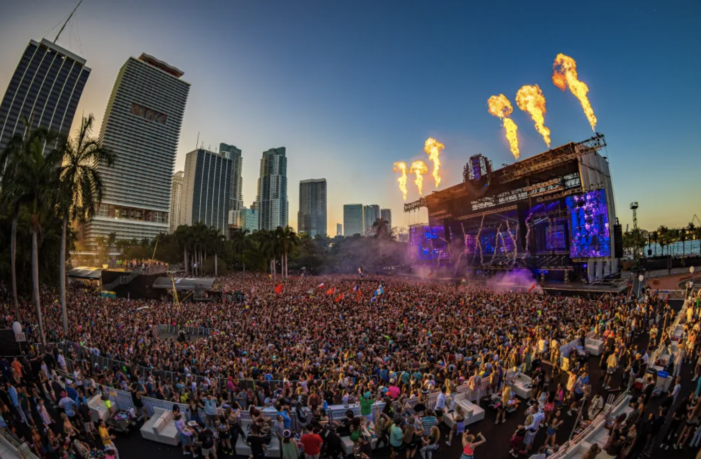
Downtown residents may want to invest in earplugs now — the industrial kind — because the Ultra Music Festival just got something most Miami residents never get: long-term certainty.
The Miami City Commission voted unanimously Thursday to approve a 20-year agreement keeping Ultra at Bayfront Park through 2046. That’s longer than some of the condo buildings complaining about the noise have even existed.
Commissioners say the deal includes protections — decibel limits, community meetings, five-year check-ins and an annual escape hatch requiring a four-fifths vote if the city wants out. Sounds flexible. Sounds responsible. Sounds… familiar.
Because here’s the awkward timing: the Downtown Neighbors Alliance filed a lawsuit last week accusing Ultra of violating the 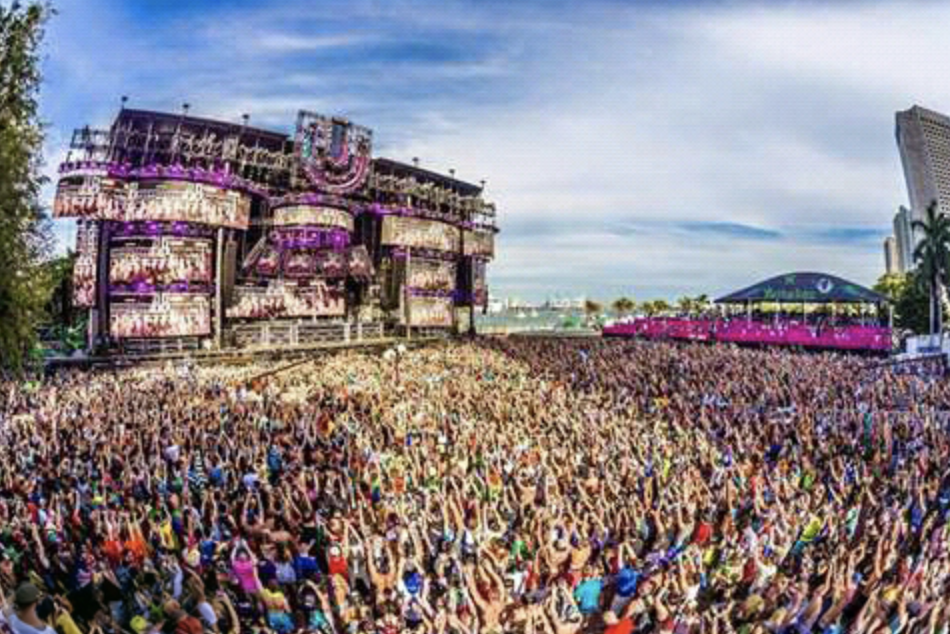 very noise limits established in a 2021 settlement agreement.
According to an April 10 monitoring report cited by residents, sound levels at this year’s festival last month allegedly exceeded allowable limits of 95 maximum decibels at least 17 times. All during music programming. All on the first day.
That’s the kind of detail that usually strengthens a city’s negotiating leverage. The kind that gives you an advantage at the table.
Instead, Miami decided this was the perfect moment to lock in a multi-decade relationship.
Bold strategy.
Read related: Billions, bonds and builders — just a casual Thursday in Miami, Miami-Dade
One of the most repeated concerns from residents Thursday wasn’t just noise — it was timing. Why sign a 20-year deal right when the other side may have breached the agreement? That’s not just a quality-of-life question. That’s a negotiation question.
Residents argued that approving a long-term contract now essentially hands Ultra stability at the very moment the city could have demanded stricter enforcement or better terms. After all, if your tenant just broke the lease rules, you don’t usually respond by offering them a 20-year renewal.
But in Miami, rules are more like suggestions with good lighting.
Commissioner Damian Pardo, whose district includes downtown, said residents’ concerns were properly addressed and that  neighbors should be happy to know their quality-of-life complaints were taken seriously.
But he is increasingly living in an alternate reality. Because residents sounded less convinced.
Some warned that 20 years is a lifetime in city politics, especially when leadership changes, priorities shift and downtown keeps growing. One resident noted that long contracts assume certainty — something Miami government historically treats like a polite rumor. Others reminded commissioners that Ultra doesn’t just bring a weekend of music, but rather weeks of disruption, including noise, traffic congestion, park closures and cleanup headaches that can stretch close to a month each year.
Yes, it also brings money. Lots of it. That part always gets the loudest applause. And supporters of the deal leaned heavily on the economic argument.
Ultra draws international visitors. It fills hotel rooms. It feeds restaurants. It keeps Miami’s brand shiny and globally recognizable. They ain’t lying.
But critics say the benefits aren’t evenly distributed — especially for the people who actually live next door to the speakers. Some residents pointed out that while businesses cash in, locals lose access to their waterfront park for weeks at a time — every single year.
It’s the kind of tradeoff that looks very different depending on what you own facing Biscayne Boulevard — a bar or a bedroom.
Read related: Ultra Music Festival wants a 20-year contract for downtown Miami event
Downtown Neighbors Association President James Torres, who has spent years fighting for stricter enforcement, called the final version of the deal “a step in the right direction.” That’s because the revised contract includes required community  meetings, the five-year options and reinforces existing noise limits — the same ones residents say were already violated.
So, they are still on guard.
“Let’s be clear, this is not the end of the conversation,” Torres said in a statement. “Ultra has still failed to meaningfully engage with downtown residents and has obligations under the existing settlement agreement that remain unresolved.”
“Residents should never have to fight this hard just to have a voice in decisions that impact their daily lives,” Torres said. “We will continue to pursue all legal and other available avenues to ensure those commitments are honored and that downtown residents are respected, heard and protected.”
“This is progress, but the work is far from done.”
“We’re not trying to cancel Ultra,” Torres said, referring to comments from fans of the festival. “We’re just saying there’s a settlement agreement they have to adhere to.”
Now the question becomes less about what’s written in the contract and more about whether anyone will enforce it. In Miami, enforcement has always been the real wild card.
Here’s what Thursday’s vote really did: it placed a long-term bet on continuity.
A bet that future commissions will care enough to enforce noise limits. A bet that downtown residents 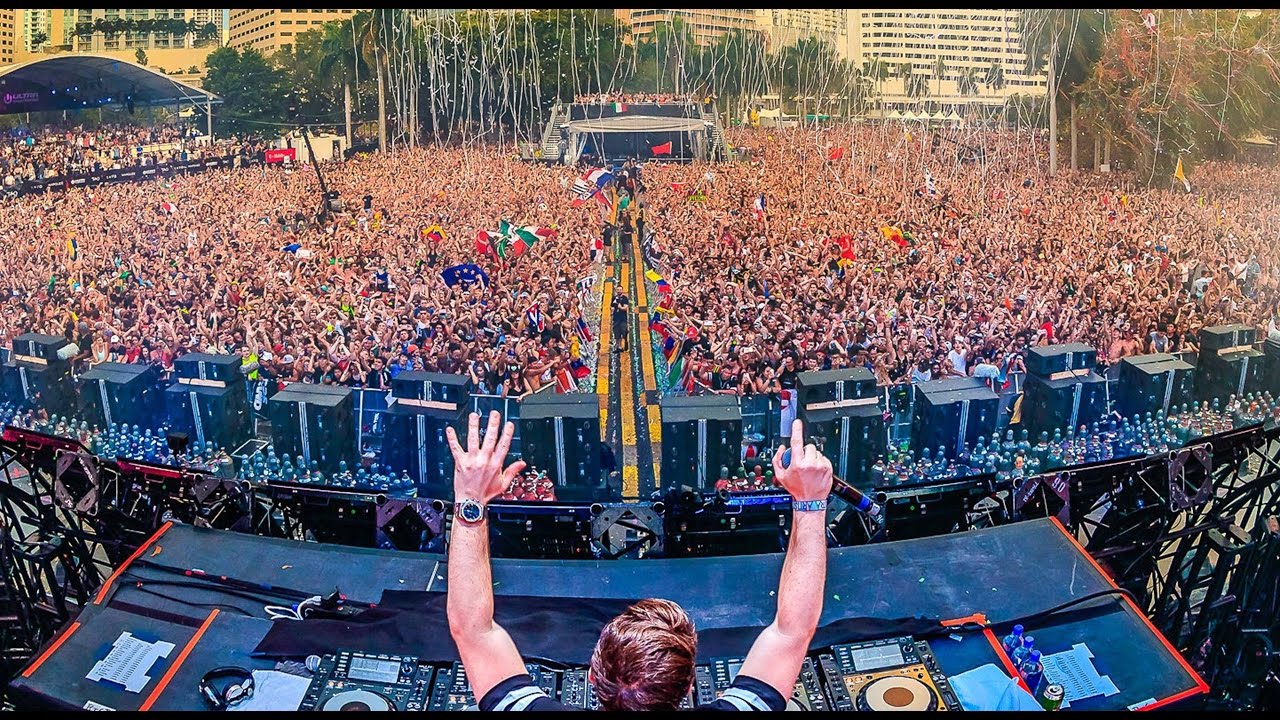 will tolerate the disruption. A bet that the economics will always outweigh the complaints.
And maybe they will.
Read related: City of Miami bails on Ultra Festival meeting with downtown residents
Or maybe future commissioners will be stuck explaining why a contract signed in 2026 locked them into decisions made decades earlier — back when people still thought 20-year deals sounded reasonable.
For now, the music stays. The stages go up. The bass drops. The park closes. The lawsuits continue.
And residents? They get two guaranteed community meetings a year — which, in Miami political math, apparently counts as participation.
Meanwhile, the city just made one thing crystal clear: Ultra isn’t just a festival anymore.
It’s infrastructure.
This kind of independent, government watchdog reporting is crucial to transparency and democracy. And more so every day. Help shine a light on the darker corners of our community with a contribution to Political Cortadito. Click here. Ladra thanks you for your support.

Miami locks in Ultra Music Festival at Bayfront Park with 20-year contract added by Ladra on
View all posts by Ladra →
