
Now the state attorney, ethics commission could look into it
In North Miami Beach, the real action isn’t always on the dais. Sometimes, it’s in the invoices.
Buried inside an explosive internal investigation into Mayor Michael Joseph ‘s possible abuse of power — begun in January after the commission raised concerns about him interfering with procurement decisions — is one contract that keeps popping up like a bad penny: a $48,000-a-year deal with Figgers Communications.
And the more you read, the less it looks like routine government business and the more it looks like, well, something else.
The question is: what exactly?
What we do know is that the city already had a functioning emergency notification system for $12,000 a year. Enter Figgers,  founded by Freddie Figgers — a rags-to-riches, self-made tech entrepreneur and Ron DeSantis donor with ties to a federal ethics investigation — with a $48,000-a-year replacement, quadrupling the cost without having any meaningful track record or experience. Another private company offers the same service for $18,000 a year.
So it’s a big difference.
Staff raised objections. One senior employee flat-out refused to sign off. And yet, somehow, it got approved anyway. Not through a clean, competitive process, mind you. But through what multiple employees describe as pressure from above.
According to several witnesses, Mayor Joseph directly recommended Figgers, who DeSantis appointed to the Florida Ethics Commission. Vendors said they were told to contact staff at the mayor’s request. It seems the procurement process was, um, flexible, at best, compromised, at worst. The contracts appeared to be structured just below thresholds to avoid scrutiny.
That last part is key. Because in government, $50,000 is often the magic number where things get formal, competitive, and public. And this contract? Just under, at $48,000. What a coincidence.
Read related: Lubby Navarro shopping spree on public dime ends with prison sentence
Figgers isn’t alone. The report, prepared by attorney and former Miami-Dade Sheriff candidate Ignacio Alvarez, describes a broader pattern of vendors brought in without proper bidding, work done before contracts are signed, payments issued without documentation and lobbyists paid outside approved pools. So the Figgers deal doesn’t sit in isolation. It sits in a pattern of procurement gymnastics that investigators say could violate the city charter.
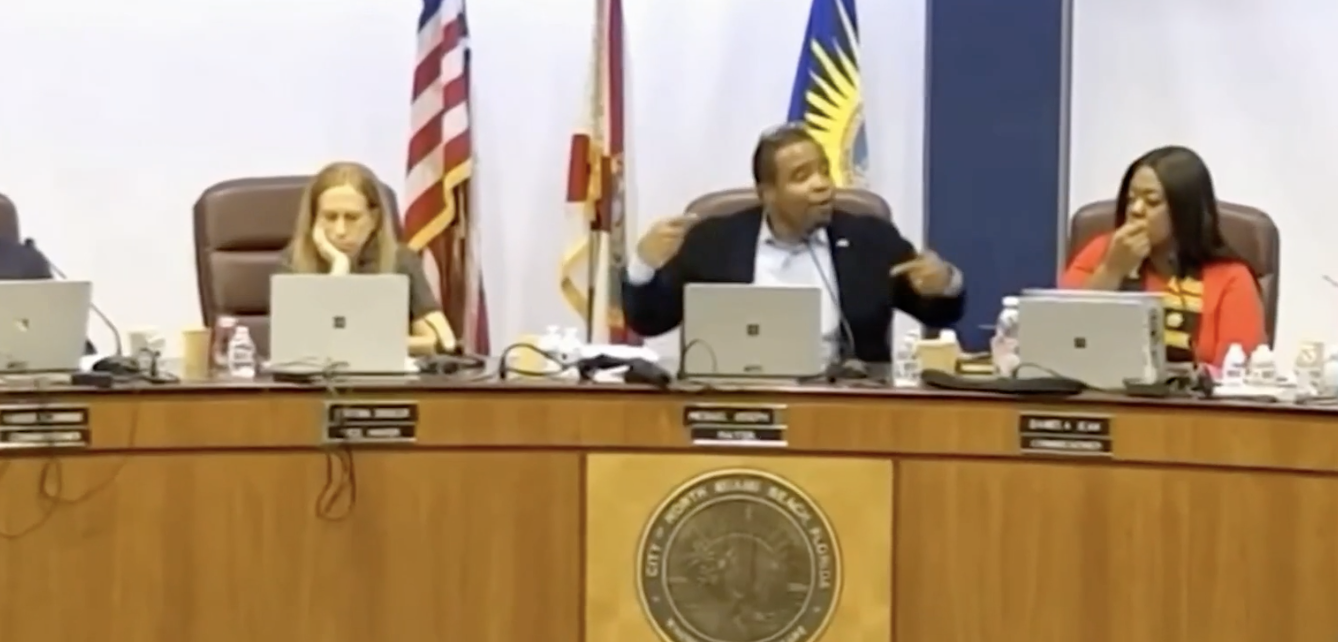
Ladra wants to be clear. This is a preliminary report. There is no finding of a payoff. There is no criminal charge. All the city council did was vote to send it to the Miami-Dade State Attorney’s Office — which is where all good investigations go to die.
But perception matters. And right now, this looks like favoritism, a political relationship finding its way into a government contract, procurement meddling, and, possibly, fiscal misfeasance.
Joseph told NBC 6 Miami that this was a smear job based on unfounded allegations. That’s why he voted to send it to the SAO — to clear his name.
But employees describe what sounds like a hostile work environment: fear of retaliation, pressure from elected officials, being bypassed or cut out of decision-making and having complaints go undocumented. One employee even described a situation where raising concerns was met with a shrug and a quiet reminder: “It’s the Mayor.”
Never a reassuring sentence in government.
Read related: Water wars: Oliver Gilbert pits Miami Gardens vs. North Miami Beach
Maybe this is just sloppy government. Maybe it’s favoritism. Maybe it’s a system where relationships matter more than rules. Or maybe — just maybe — it’s something that hasn’t fully come into focus yet.
But here’s what we do know: A $12,000 system became a $48,000 system. Staff said no. Leadership said yes. And the paperwork came later.
Here’s what we want to know: Why replace a cheaper, working system? Who pushed this contract — and how hard? Why does the number keep landing just under the threshold? Were other vendors given a real shot? And why does this same company keep showing up in politically sensitive places?
These are the questions Ladra hopes the SAO is asking. Because, this isn’t just about one contract in North Miami Beach.
It’s about whether the system is working, or working for someone.
Political Cortadito can only exist with the financial support from readers like you. If you like what you read here, please consider making a contribution to support the independent, government watchdog journalism on this website. Click here. Ladra thanks you!

Report to SAO: North Miami Beach Mayor Michael Joseph abused power added by Ladra on
View all posts by Ladra →
