
Mercy Hospital could have also been on the table
Miami Commissioner Ralph Rosado walked into last week’s Miami City Commission meeting with a bold solution to the city’s crushing housing crisis: Unlock hundreds of acres of underused land owned by churches, schools, nonprofits, and government institutions — and allow affordable housing to be built by right, without a separate land use vote.
No rezoning. No drawn-out public hearings. No neighborhood appeals.
Just faster housing in the least affordable city in America by tapping into land owned by churches, schools, nonprofits, and government institutions. Require affordability. Speed up production. Problem solved.
Read related: Miami Mayor Eileen Higgins names James Reyes warden, er, city manager
On paper, it sounded like policy courage. Rosado’s proposal would have opened more than 660 parcels — nearly 1,800 acres — to mixed-use and residential development, as long as at least half the units were affordable. It mirrored a new state law behind the “Yes In God’s Backyard” movement already embraced around the country and, in Florida, St. Petersburg.
In practice, it sounded like skipping the very public process Miamians consider a birthright.
And in the back of Ladra’s mind, it also sounded like an end-run around the potential development of the Mercy Hospital 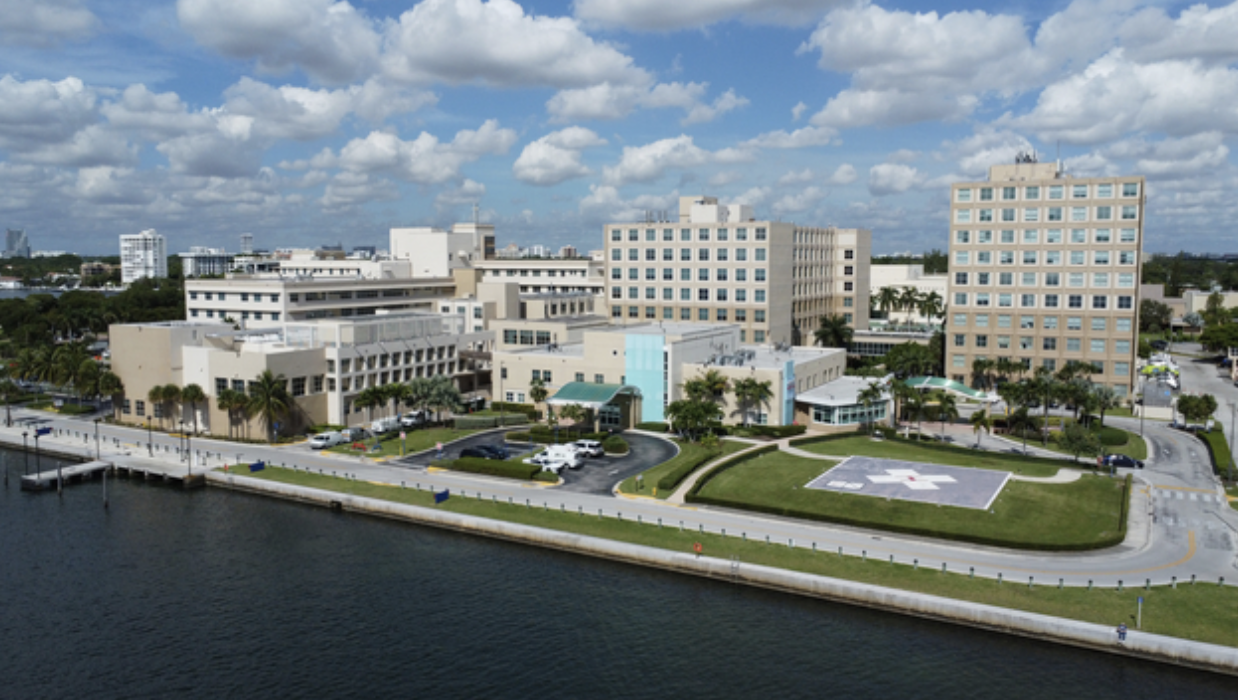 property, a 72-acre waterfront campus on South Bayshore Drive sold by the Archdiocese of Miami to HCA Healthcare for $114.5 million in 2011 — also home to Immacolata-La Salle High School — but still civil-zoned as “community facilities.”
If that sounds familiar, it should. In the mid-2000s, a proposal to drop three luxury high-rise towers on that very property detonated into one of Coconut Grove’s most intense neighborhood battles. Traffic, scale, infrastructure — residents fought it and won.
Rosado’s new ordinance would have quietly rewritten that battlefield.
Under the proposal, Mercy’s land — because it is controlled by a religious institution and used for a hospital and school — could qualify for residential development by right. No rezoning. No policy vote. No neighborhood veto. Just a density default tied to adjacent zoning — potentially 36 units per acre next to single-family streets.
Read related: Miami commissioners Damian Pardo and Ralph Rosado have private lunch
Rosado came ready to sell it, Power Point presentation and all.
But before he could click to slide one, Commission Chair Christine King cut to the chase. “It will not move me,” she said. “I am a firm no on this.”
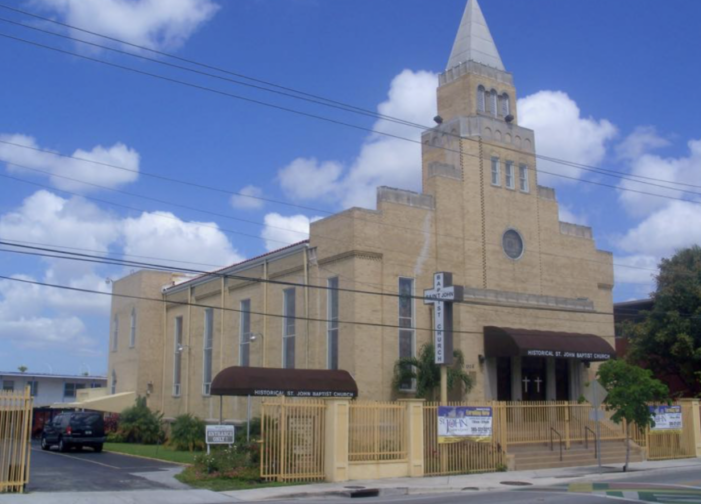
King’s objection wasn’t about the eradication of public process or the potential of a boondoggle in Coconut Grove. It was about protecting churches from slick developers. The chairwoman’s district has the most religious institutions of any district and worked with the Overtown CRA to save the Historic St. John Institutional Missionary Baptist Church from foreclosure in 2023.
“These churches — historic churches — all they have is their land,” King warned, adding that it was telling that not a single pastor showed up to back the plan. Not one religious leader asked for this flexibility. No grassroots group pushed demanding relief.
“The potential unintended consequences of moving this as of right can be disastrous for our churches, particularly our historic 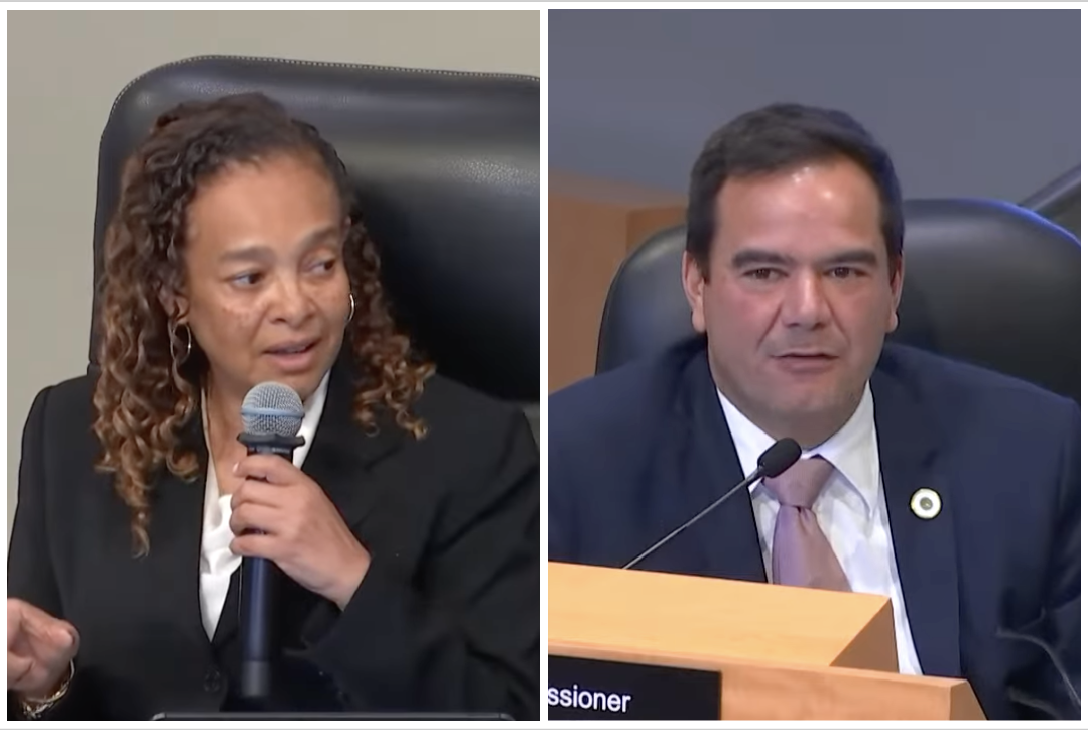 churches. They do not have the expertise to negotiate deals such as this.”
Rosado tried to appeal to the commission by appealing to their desire for more housing options. “We have such a massive, massive demand for housing affordability, I would be negligent if I didn’t put this forward, given that this is land that somebody doesn’t have to buy from somebody else,” he said.
The dais was also unconvinced. Commissioner Miguel Gabela tried to Rosado a bone with a motion to defer. But not this time. The commission skipped its usual slow death by postponement and went straight for the rare public execution: a 4–1 vote to reject Rosado’s proposal outright.
In Miami politics, that’s not just a loss. That’s a message.
Read related: Damian Pardo passes double-density double-down for Miami developers
The irony is that Rosado’s instinct wasn’t wrong. The city desperately needs affordable housing. Underused land exists. State law even opened the door. But by tying his plan to bypassing public review, Rosado accidentally stepped on the third rail of Miami governance.
Efficiency may solve housing. But process keeps the peace.
Rosado called it a wasted opportunity and says he’ll be back with a revised proposal. Which may only mean that somebody already has plans for the Mercy Hospital site.
But the commissioner may want to bring two things next time: pastors in the audience — and a plan that doesn’t tell Miamians they don’t get a say.
Because in this town, you can build almost anything. Just don’t try to build it without a hearing where people will be ignored anyway.
This kind of independent, government watchdog reporting is crucial to transparency and democracy. And more so every day. Help shine a light on the darker corners of our community with a contribution to Political Cortadito. Click here. Ladra thanks you for your support.

Miami Commission slaps down Ralph Rosado’s church land for housing idea added by Ladra on
View all posts by Ladra →
