
Miami-Dade’s elected officials are kinda freaking out
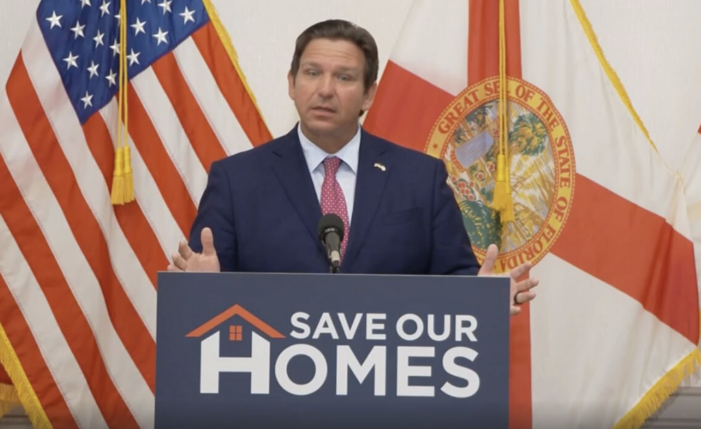
Florida lawmakers this week did something that would have sounded completely insane just a few years ago. They put the beginning of the end of property taxes on the ballot.
Not all property taxes. Not yet.
But close enough that every mayor, commissioner, city manager, budget director and county bean counter from Miami Beach to Homestead probably spilled a little cafecito when the final votes came in.
Not that it wasn’t totally expected and announced, sorta like a hurricane.
¡Prepárense!
By largely party-line votes of 75-26 in the House and 30-9 in the Senate, lawmakers approved Governor Ron DeSantis‘ signature property tax 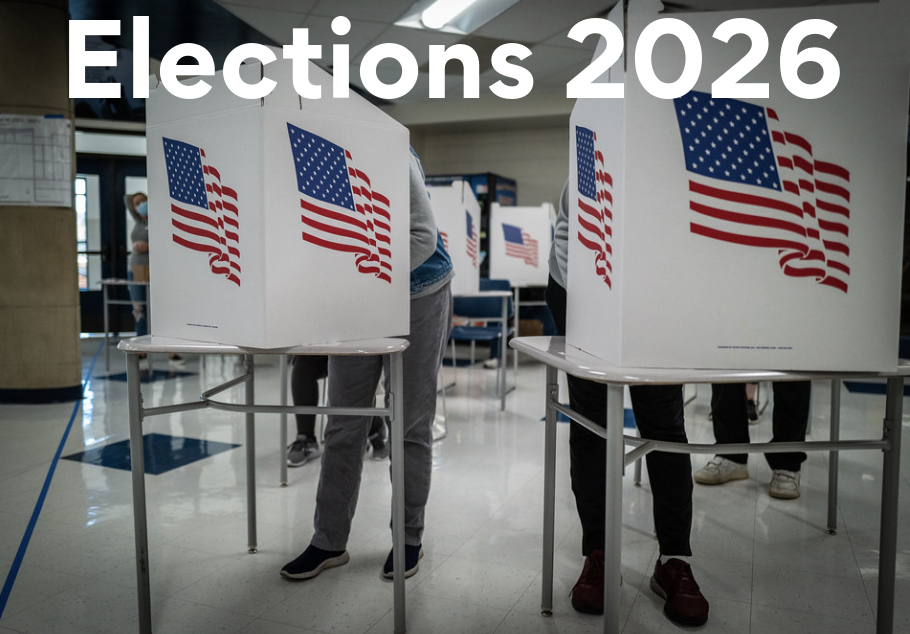 overhaul and sent it to Florida voters for approval in November.
And if 60 percent of voters say yes, Florida will embark on one of the most dramatic tax experiments in modern state history.
The proposal would boost the homestead exemption from $50,000 today to $150,000 in 2027 and then to $250,000 in 2028.
Supporters are calling it historic tax relief and, finally, a leash for local governments who have gone wild with an increasing pot of public money.
Critics are calling it the fiscal equivalent of jumping out of an airplane and figuring out where the parachute is on the way down.
Either way, Florida voters will get the chance to decide Nov 3.
Read related: Anthony Rodriguez, Florida lawmakers discuss elimination of property taxes
And while Ladra doesn”t know about any credible, statewide public polls measuring support or opposition to the specific referendum approved this week — title and ballot language comes later — pollsters have long found that voters are amenable to tax relief in abstract. Like, duh.
According to legislative estimates, the measure could eventually remove between $4.6 billion and $8.4 billion annually from local government revenue streams. These are the same local governments that pay for police officers, firefighters, parks, roads, drainage systems, libraries, code enforcement, pension obligations, emergency services, pothole repairs, mosquito spraying and all thos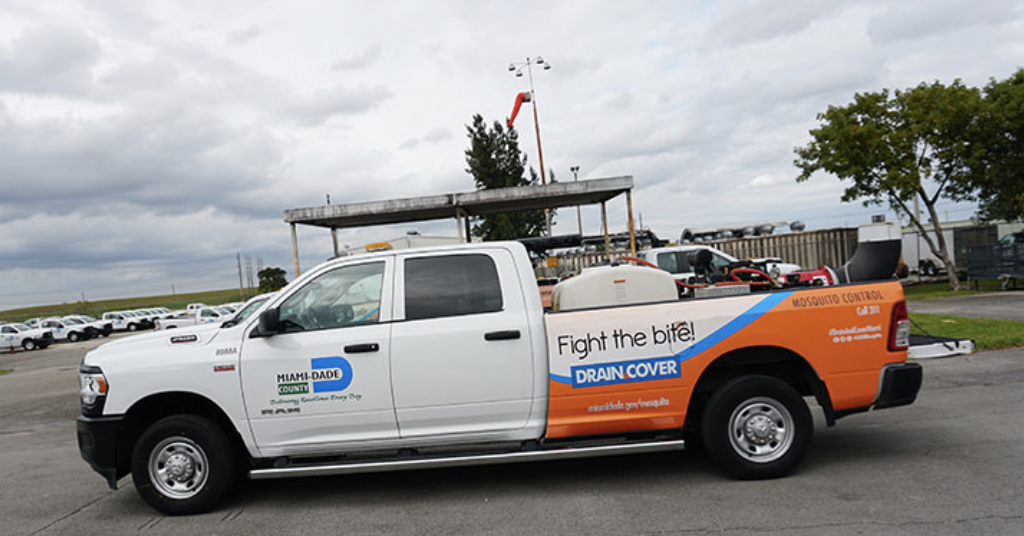 e other little luxuries people tend to notice when they disappear.
How much do you want to bet that doesn’t make it to the ballot?
But don’t worry. The Legislature has a plan. Actually, it’s less a complete plan than a framework for a future plan that may someday lead to the eventual elimination of property taxes on homesteaded property.
Maybe. Eventually. Somehow. The details can be worked out later.
What could possibly go wrong?
Senate President Ben Albritton hailed the proposal as a fitting way to celebrate America’s 250th birthday, declaring that Floridians shouldn’t have to continually pay government for the right to live on their own property.
State Sen. Bryan Avila, the Miami Springs Republican carrying the measure, argued that rising property tax bills have become an increasing 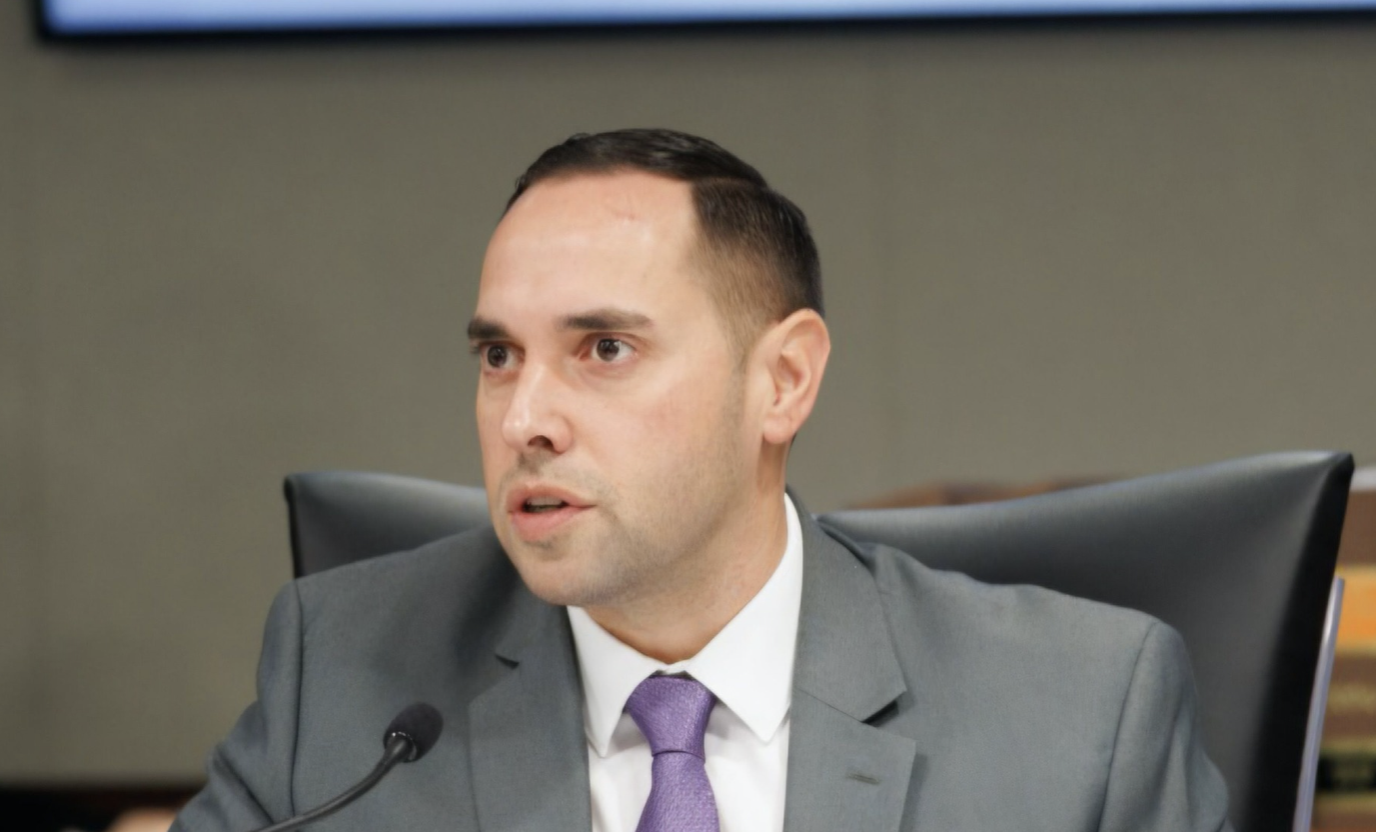 burden on homeowners and that local governments have enjoyed years of rapidly increasing revenues driven by soaring property values.
And let’s be honest. They’re not wrong. Governments are raking it in and spending money in questionable deals. Meanwhile, Florida homeowners are getting crushed. Insurance bills are skyrocketing. Housing costs are through the roof.
Read related: DOGE Days in Miami: Florida CFO Blaise Ingoglia calls BS on city spending
But here’s where things get interesting. Because while Tallahassee is selling tax relief, local governments are quietly doing math.
And the math is making them nervous. Very nervous.
Many city officials have openly worried about how they would be able to shift expenditures to cover basic services — and what kind of perks would have to be cut. Most openly concerned have been the Miami-Dade County Commissioner, especially Danielle Cohen Higgins and Chairman Anthony Rodriguez, who have been warning about this coming day as their colleagues emptying the county’s wallet on projects like the Miami Center for Mental Health and Recovery and the reliance on county funding by the area’s non-profits.
Remember, the budget process is about to begin.
Rodriguez told Ladra that he has mixed feelings because he wears too hats. One as a chairman of the commission and one as a resident.
“As a resident of Miami-Dade County, yes, of course I want to see less property taxes,” Rodriguez said. “But I see the budget and I understand what it takes to run this county. To have the grass get cut, to have the parks operate, to have the buses run.
“Something will suffer.”
The most forceful opposition has come from Miami-Dade Mayor Daniella Levine Cava, who publicly warned that gutting or eliminating 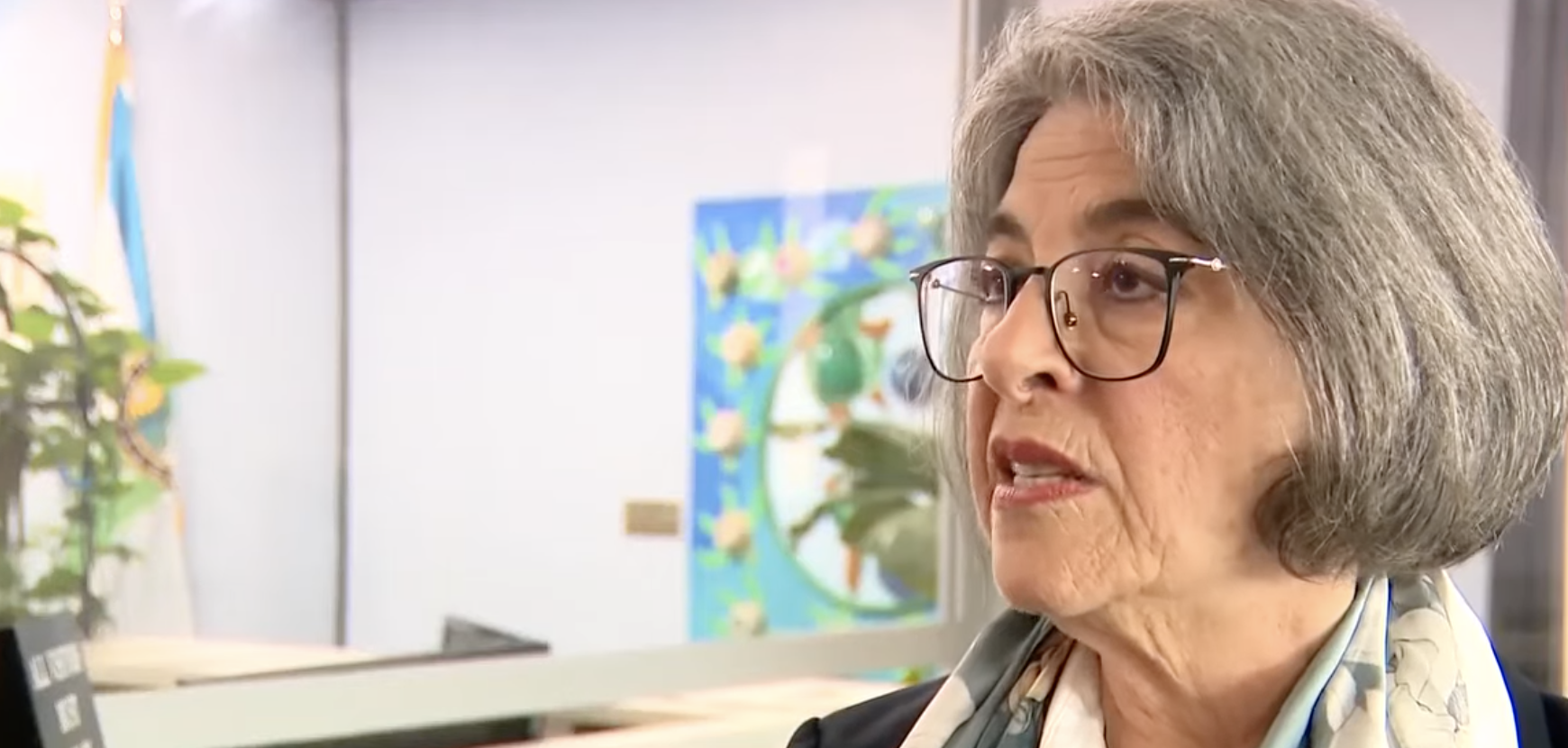 property taxes would be “catastrophic” for Miami-Dade.
In a Miami Herald op-ed published Monday, Levine Cava argued that while she supports tax relief, property taxes fund the county’s core services — police, fire rescue, transit, parks, libraries, infrastructure and social services. She warned that the state’s proposal amounts to dismantling the primary revenue source local governments rely on to operate.
She believes in tax reform, she wrote. “But there is a profound difference between thoughtful, sustained tax relief and what the state is now proposing: the wholesale dismantling of the property tax system that funds the essential services that make our community run.”
Read related: Looks like Annette Taddeo is running for something after all — Florida CFO
The revised proposal attempts to address some of those concerns by protecting school district funding, requiring remaining property tax revenue to be spent on core government services and lowering the annual assessment cap on commercial properties from 10 percent to 5 percent.
Supporters say that protects homeowners and small businesses. Opponents say it protects homeowners by handing local governments a calculator and wishing them luck.
Which raises an uncomfortable question nobody seems eager to answer: If property taxes go away, who pays for everything?
 Sales taxes? Higher utility fees? Special assessments? Stormwater charges? Garbage fees? Impact fees? A magical Tallahassee money tree?
At the moment, the answer appears to be some combination of shrugs and future legislative workshops. Which is understandable. Nobody wants to be the politician publicly defending property taxes while voters are staring at mortgage statements and insurance premiums.
Silence may not be an option for long, however. Because if this amendment gains traction, local mayors and commissioners will eventually have to answer questions voters aren’t yet asking.
Questions like: How much money would my city lose? What services would be affected? Would police and fire budgets be protected? Would fees increase? Would the county have to fill the gap? Would Tallahassee?
Or would everybody simply be expected to do more with less, which is politician-speak for “we have absolutely no idea yet.”
For decades, local politicians have campaigned on lowering taxes. This fall, they may find themselves in the unusual position of explaining why taxes exist in the first place.
Because everybody loves the idea of eliminating property taxes. Right up until somebody asks who is going to pay for the firefighters.
This kind of independent, government watchdog reporting is crucial to transparency and democracy. And more so every day. Help shine a light on the darker corners of our community with a contribution to Political Cortadito. Click here. Ladra thanks you for your support.

Tallahassee just put property taxes on the chopping block in November added by Ladra on
View all posts by Ladra →
