
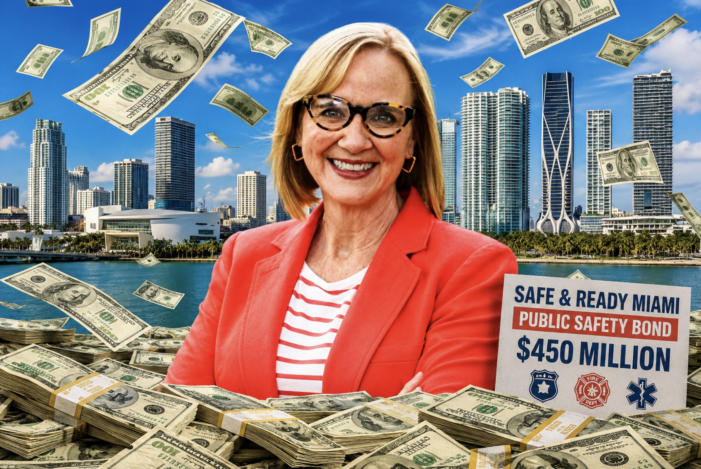
Miami Mayor Eileen Higgins came into Thursday’s commission meeting ready to sell urgency, crisis and moral responsibility. Instead, she got a very public reminder that being mayor of Miami and actually controlling Miami are two very different things.
In what could be seen as a political setback for Higgins just five months into her administration, the Miami City Commission effectively slammed the brakes on her proposed $450 million “Safe & Ready” public safety bond — at least for now — voting 4-1 to defer the measure until May 28. But the deadline for getting ballot language to the Miami-Dade elections department is May 22.
That means no August ballot. No fast-track summer referendum. No quick victory lap for La Alcaldesa II.
And perhaps most painfully for Higgins: No immediate demonstration that she can command the commission the way she clearly intends to command City Hall.
Read related: Miami Mayor Eileen Higgins wants a half a billion dollars for public safety
The mayor had hoped to place the half-billion-dollar borrowing package before voters in August, arguing 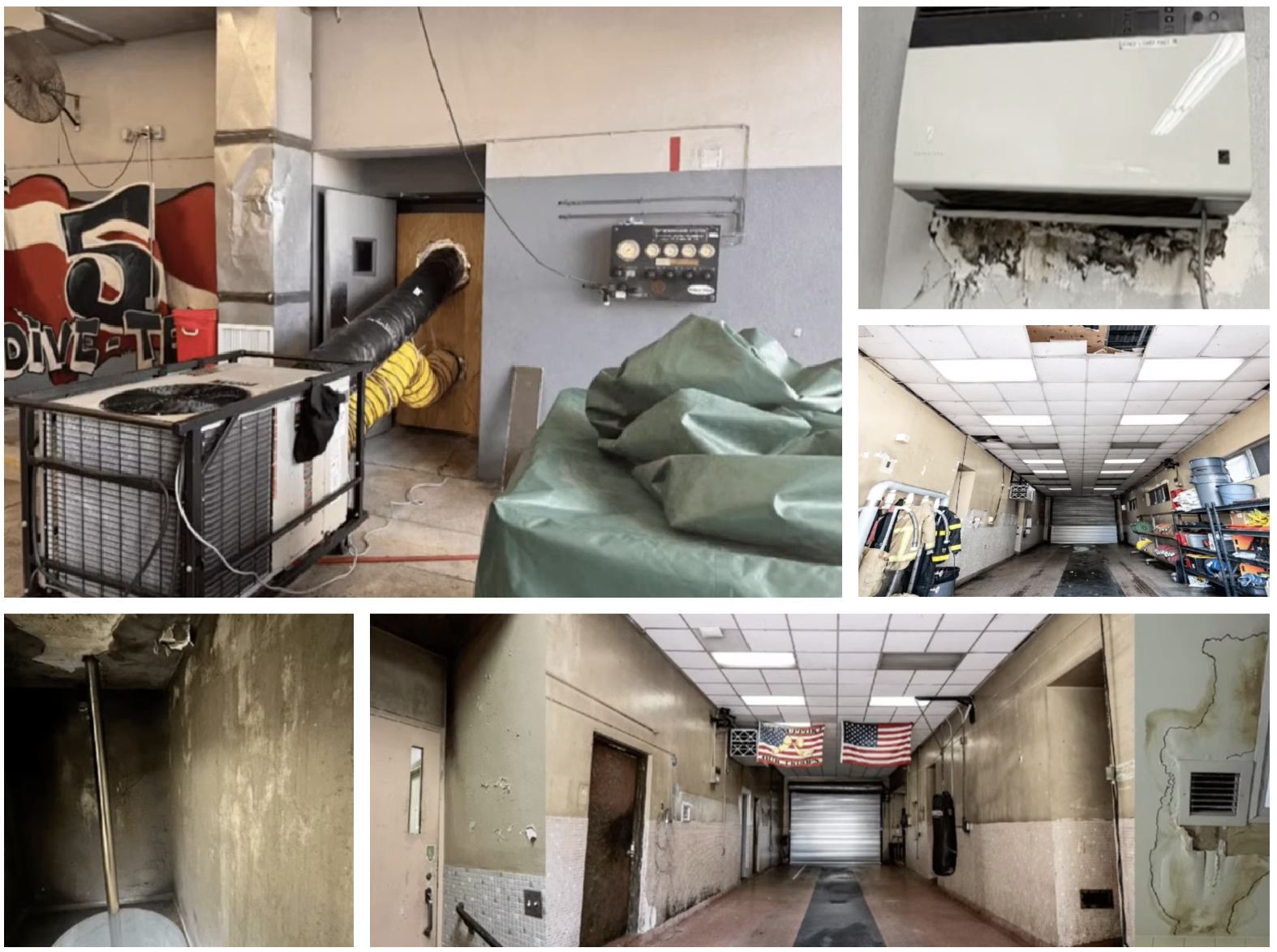 that the city’s police stations, fire facilities, emergency response infrastructure and 911 systems are deteriorating so badly that public safety itself is at risk.
Higgins delivered the pitch dramatically Thursday, describing conditions that include mold, plumbing failures, electrical problems, exhaust in living quarters, failing facilities, including leaks and showers that didn’t work at the police HQ.
“You’d go catch a murderer and you couldn’t even come back and shower,” she said. With a serious face. More concerning was the water intrusion in the evidence room.
But Higgins knows what sells: dangerously slow response times in parts of the city.
She had Fire Chief Robert Hevia present a report of the city’s needs. He said the fire department had not kept up with population and vertical growth and that about half of the city’s 17 stations are more than 50 years old. The capital needs include close to $58 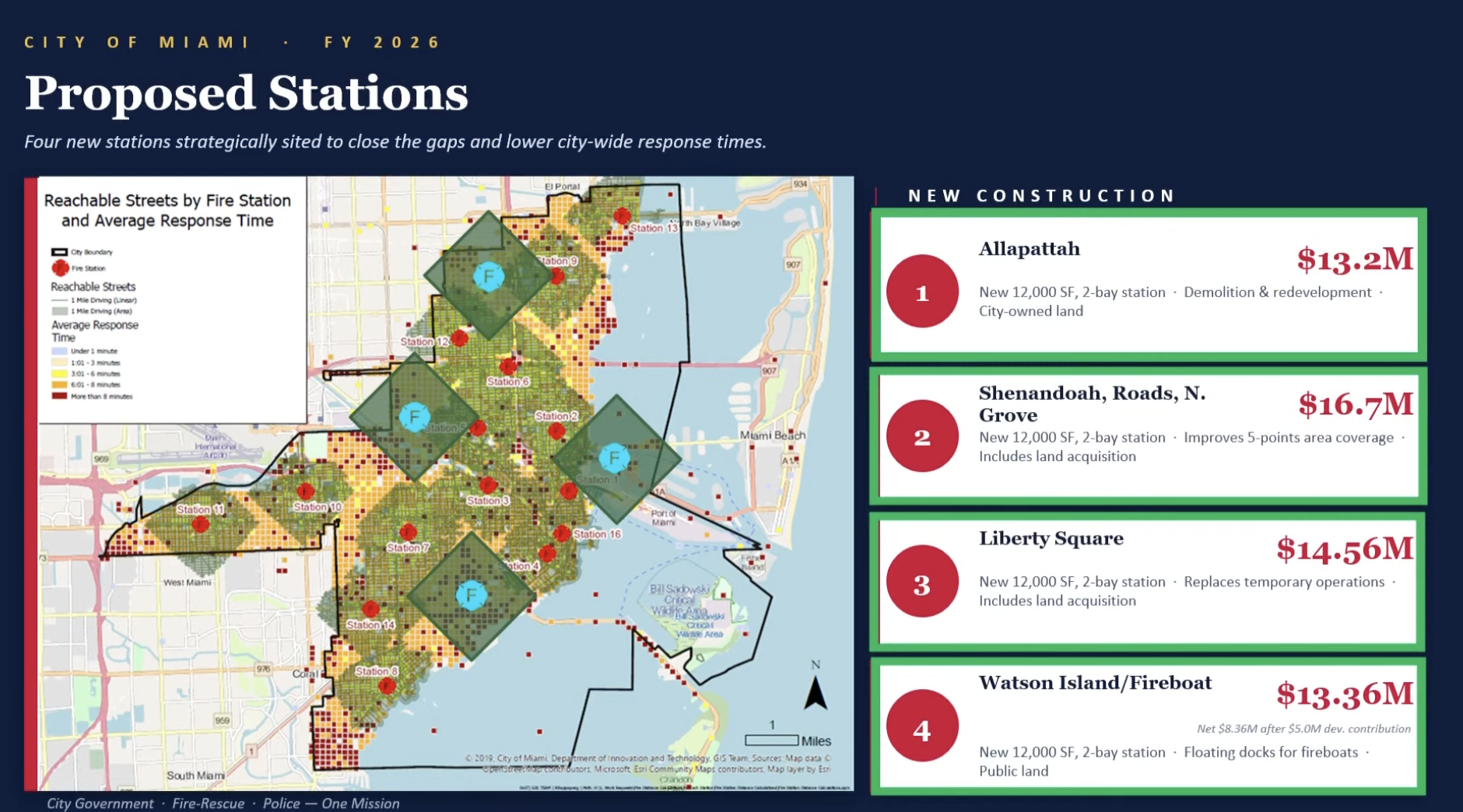 million for four new stations — in Allpattaha; the Roads/Shenandoah/North Grove area, Liberty Square and Watson Island (with fireboat) — that would help decrease response time citywide.
About 68% of the money borrowed, or $305 million, would go to a new public safety headquarters building that would house a unified command — police, fire, emergency management and the 911 center, Hevia explained in a powerpoint titled “City Government, Fire Rescue, Police One Mission.” The other 32%, or $145 million, would go to fire stations and infrastructure, including $10.3 mil across 12 existing facilities.
It’s like they already spent the money in their heads.
Read related: Miami’s $450M ‘Safe & Ready’ bond heads to commission with positive poll
“At some point,” Higgins warned commissioners, “one of these facilities will fail.” She wanted at least a yes Thursday for the November ballot. “We have ambulances that are not going to arrive in six minutes because we deferred this. Because the city has deferred this for years.”
But the commission voted 4-1 to defer. Only Commissioner Rolando Escalona, who was voted into office last November with 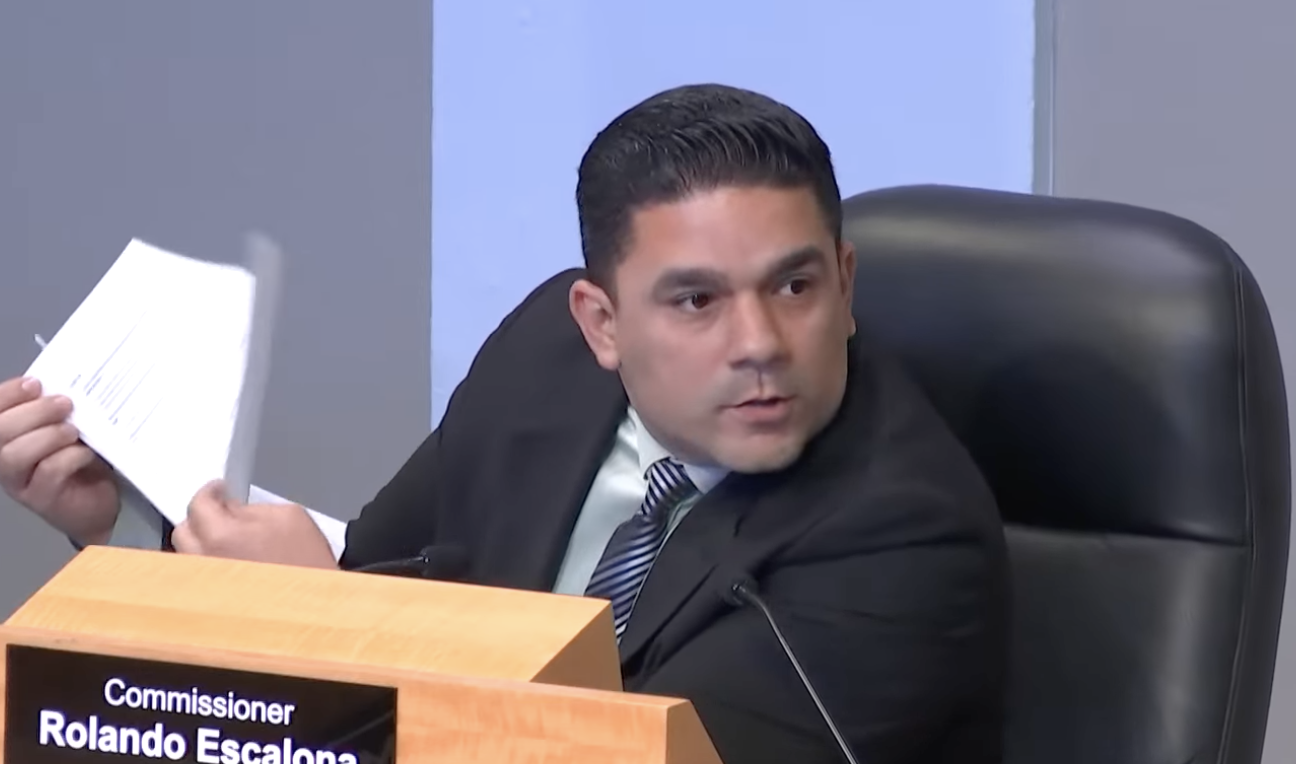 the mayor, voted against deferral. He said he had six pages of questions answered by staff and told the city manager to make them public, as well as a dashboard that would provide real time information about the bond spending.
The problem? The other commissioners apparently decided the mayor’s sense of urgency was not automatically their emergency.
Commissioner Christine King — who just hours earlier had been quietly stripped of her meeting-chair duties by Higgins — delivered perhaps the coldest line of the afternoon: “When you consider bonding $450 million, it is not something you do between two commission meetings,” she said, noting that “only two public commentators were in favor.”
And she wasn’t wrong. While Mercedes Rodriguez, who may be running for commissioner again, and radio personality Enrique Santos, a reserve police officer who recently got the key to the city, were in favor of the bond initiative, more than a dozen speakers were overwhelmingly against it. At least for now.
Some brought audio visual aides. Yes, Ladra is talking about Elvis Cruz, a civic activist for more than 35 years, who, as usual, came armed with uncomfortable facts on a slideshow.
“We’ve seen this movie before,” Cruz said. But he wasn’t just talking about the $400 million Miami Forever Bond passed in 2017. He brought up the Miami Neighborhood Improvement Bond — later renamed the Homeland Defense/Neighborhood Improvement Bond after 9/11 by calculating leaders — the $255-million general obligation fund that voters passed in 2001. The bond promised improvements to the Morningside Park pool.
“Twenty-five years later, they never improved the pool. They demolished it,” Cruz said, on cue with the photos of the abandoned project. “Another of the many victims to the city’s addiction to deferred maintenance,” he added, and pointed out the delicious irony 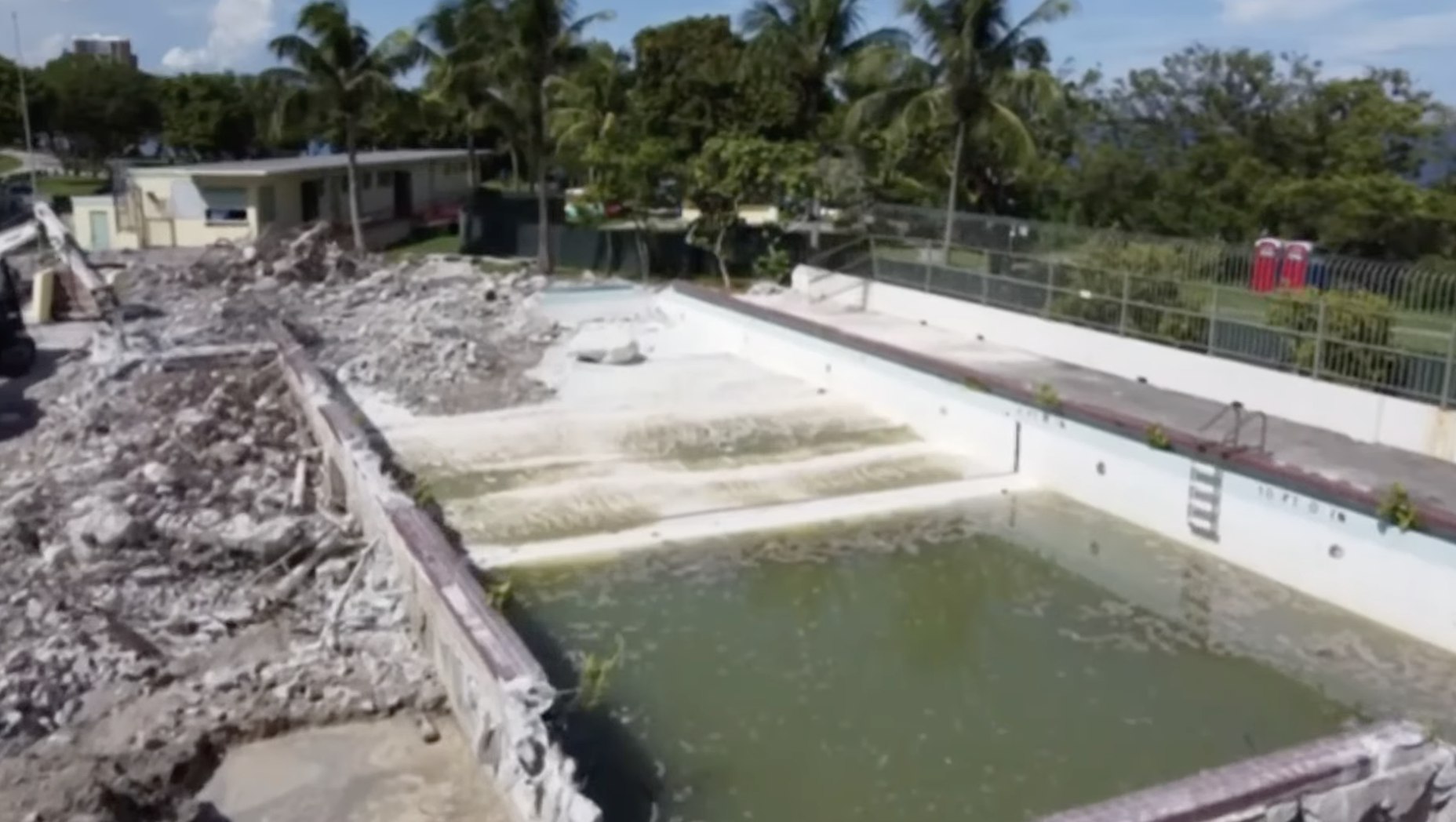 that the city electeds want more money “so they can build new fire and police stations that they also won’t maintain.”
And, like many speakers, he said the city must first do a deep dive on its current debt obligations. “I did a shallow dive,” he said, and found “$1.2 billion of pre-existing debt.”
Elissa Margulies, a Coconut Grove activist and frequent speaker, pretty much said what everybody is thinking about the manipulative campaign the mayor has already begun.
“Our mayor campaigned on doing a forensic audit of city finances. Has that even been completed? Because a lot of time has been invested in making Instagram reels to tug at our heart strings,” Margulies said. “But has anyone taken the time to look for waste, duplication or bloated contracts before deciding taxpayers should once again be their first source of cash?
“Miami residents support our police officers and firefighters. But loving our first responders doesn’t mean taxpayers should be expected to silently accept a $450 million bill without serious scrutiny.”
Award-winning filmmaker Billy Corben and Democrat pollster Fernand Amandi, who are also frequent speakers at City Hall, explained that it wasn’t just half a billion in debt that commissioners were considering.
“With interest, in 30 years of debt service, this actually approaches a billion in long term obligation for 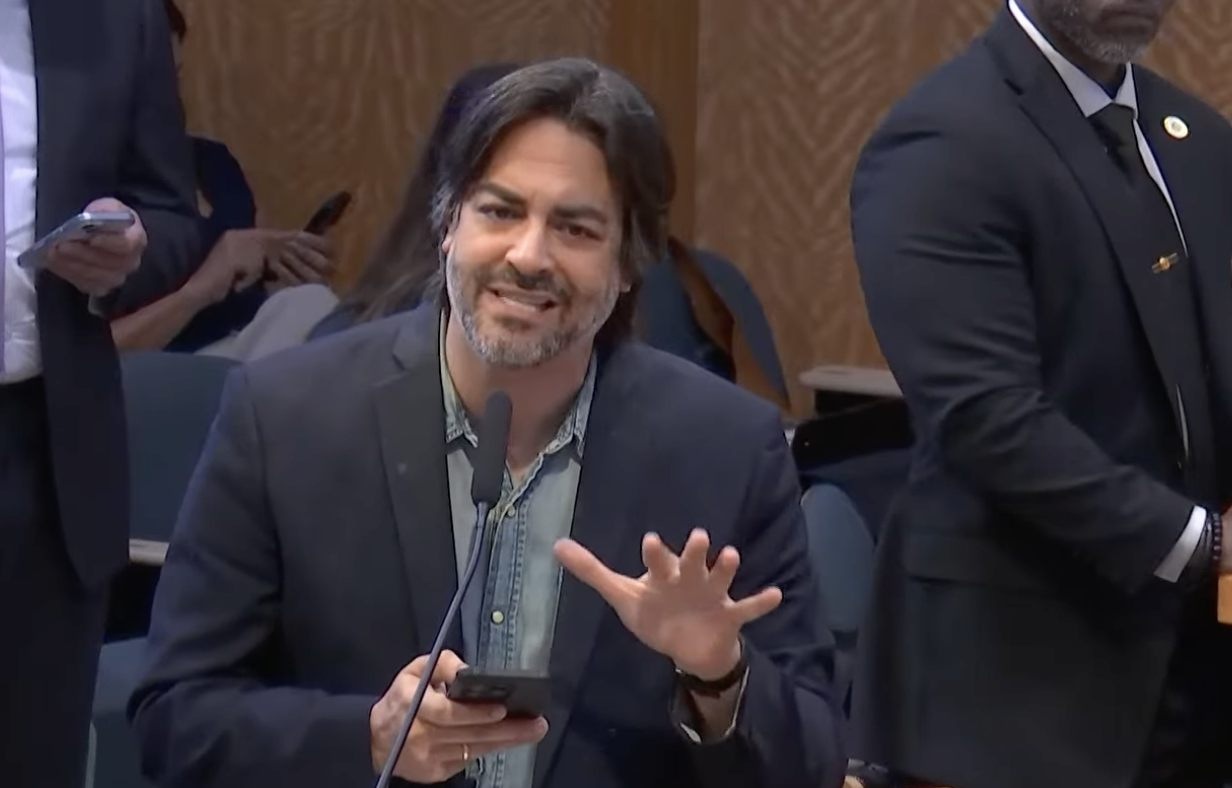 taxpayers,” Amandi said, “at a moment that we are all aware of the financially precarious situation… and economic uncertainty.”
He was talking about the possibility of the state affecting homestead property tax revenues that the city relies on to operate.
King also mentioned looking into other options, like public benefits from developers and private public partnerships. The mayor has pointed out that P3s have not worked before, citing the Brickell station currently housed in a trailer because the developer promised a new one 20 years ago. That developer sold the project to another development and King said the obligation to build a new station was also transferred. She said a special area project in Wynwood is also required to build a new fire station.
“Public private partnerships do work,” King said, pointing to a station built underneath housing in District 3.
King seemed salty from losing the gavel to Higgin. But the mayor has every right under the charter to preside over the meeting. And she announced at the start that it was because this meeting was so very important, with the bond vote and the elections change and the tree ordinance (more on that later). Everybody inside City Hall understood exactly what Higgins was signaling: The mayor intends to run the room now.
Read related: Miami power shift as Eileen Higgins takes gavel from Christine King
Which made what happened next even more politically awkward.
Higgins controlled the meeting. She controlled the pacing. She controlled the agenda flow. She even moved her bond discussion 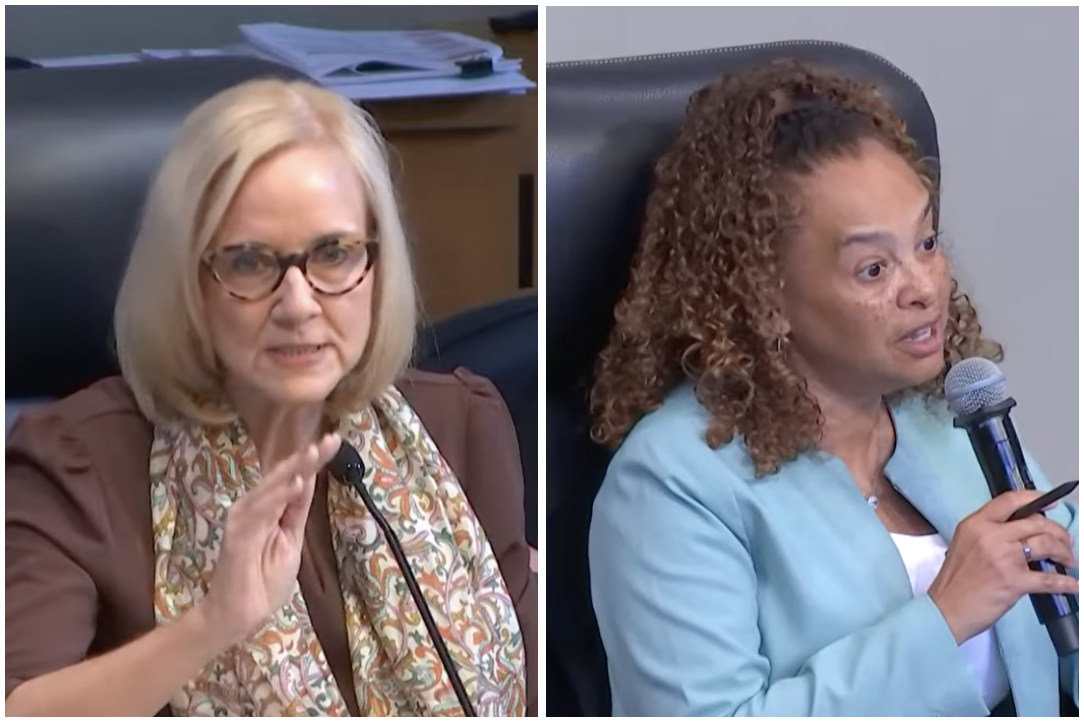 to the front of the meeting.
And then the commission still told her: Muchacha, despacio.
That is not the headline a new mayor wants. Particularly after Higgins’ political team had spent weeks rolling out polls, firefighter appearances and carefully choreographed social media posts about collapsing infrastructure in hopes of building momentum toward an August referendum.
Critics, meanwhile, quietly wondered why the mayor was pushing so aggressively for the low-turnout August ballot in the first place. Could it be because it is cheaper to influence the smaller number of engaged voters through paid messaging? Or because it is easier to dominate with organized voting blocs? Or is it just because it is populated by a smaller electorate than in November?
Commissioner Miguel Gabela led the charge for a November ballot item.
“We all agree here that this is needed,” Gabela said from the dais. “August is premature because of lower voter participation. I want a true feeling for what the voter out there wants.”
He may also want something more before he signs on to the deal. Gabela talked about having a covenant or some type of agreement that would take any proceeds from the sale of the Miami Police headquarters downtown — which is estimated to be worth hundreds of millions — to reduce $450 million ask.
But November is still remarkably fast by Miami standards. Just ask anybody who remembers the Miami Forever Bond.
That massive borrowing initiative of $400 million took roughly two years of planning, workshops, political negotiations and public discussions before finally reaching voters in 2017. Of course, back then City Hall wasn’t parading firefighters and police officers into commission chambers as emotional support animals.
This time around, uniformed public safety personnel became a central part of the political messaging strategy — a highly effective visual because nobody wants to be the politician accused of voting against first responders standing next to moldy walls and broken pipes.
Gabela made clear he supports the concept eventually. Just not immediately. Which, in Miami government language, translates loosely to: “Not today, and maybe not without some political leverage first.”
Read related: City of Miami moves elections to even-numbered years — 8 years from now
The bigger story, however, may not be the bond itself.
It may be the emerging realization that Higgins’ managerial, command-and-control governing style — which looked so refreshing during the campaign after years of City Hall chaos — is now colliding with the 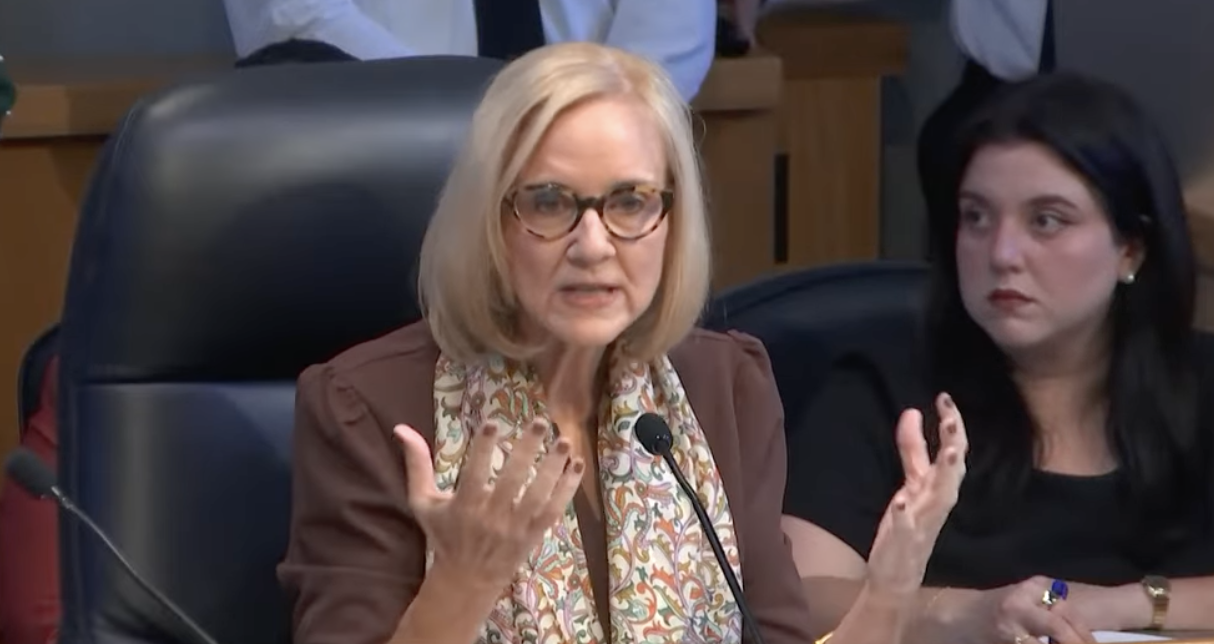 reality that Miami commissioners are not department heads. They are independent politicians with their own ambitions, ideas, egos, constituencies and power bases.
And many of them do not appear especially eager to become supporting actors in a mayoral production. Especially not when $450 million, multiple future construction contracts, and the entire city’s public safety infrastructure empire are on the table.
Because once a bond that size starts moving through Miami politics, the feeding frenzy begins almost immediately. Architects. Engineering firms. Consultants. Construction companies. Bond lawyers. Lobbyists. Campaign vendors. Suddenly, everyone’s developing a deep spiritual commitment to “critical infrastructure.”
Thursday’s vote did not kill Higgins’ bond. But it did something perhaps more significant politically: It reminded everybody — including the mayor — that at Miami City Hall, controlling the gavel and controlling the votes are very different skill sets.
This kind of independent, government watchdog reporting is crucial to transparency and democracy. And more so every day. Help shine a light on the darker corners of our community with a contribution to Political Cortadito. Click here. Ladra thanks you for your support.

Miami Mayor Eileen Higgins gets rebuffed — for now — on $450 mil bond added by Ladra on
View all posts by Ladra →
