
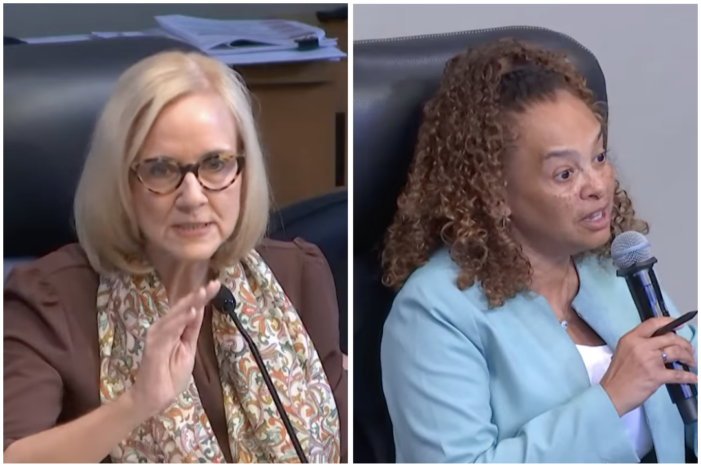
There was a subtle but unmistakable shift in the atmosphere at Miami City Hall on Thursday — one of those insider-government moments that probably meant absolutely nothing to the average resident trying to stop the tree murders (more on that later) but meant everything to the people who live and breathe the building’s political choreography.
For the first time since taking office, Mayor Eileen Higgins took the gavel and presided over a City Commission meeting herself.
Which, technically, is exactly what the city charter says the mayor not only can do, but “shall” do. Largely due to the notable long absences from former Mayor Francis Suarez — who always had better things to do — many people, including some casual City Hall observers, have assumed the commission chair automatically runs meetings. But under Miami’s structure, the chairmanship is more of a delegated role when the mayor chooses not to preside.
The key sentence is Section 2-34 of the City Code says, “The mayor shall be the presiding officer of the city commission unless the mayor designates another member of the city commission to serve as presiding officer.”
Read related: Goodbye, Francis Suarez: Miami’s most frequent flyer mayor takes off for good
So, Higgins was not “taking over” power she didn’t have. She was exercising power previous mayors often chose not to use.
Will it be permanent? Who knows? In an Instagram message Thursday morning before the meeting, she said she had “decided to 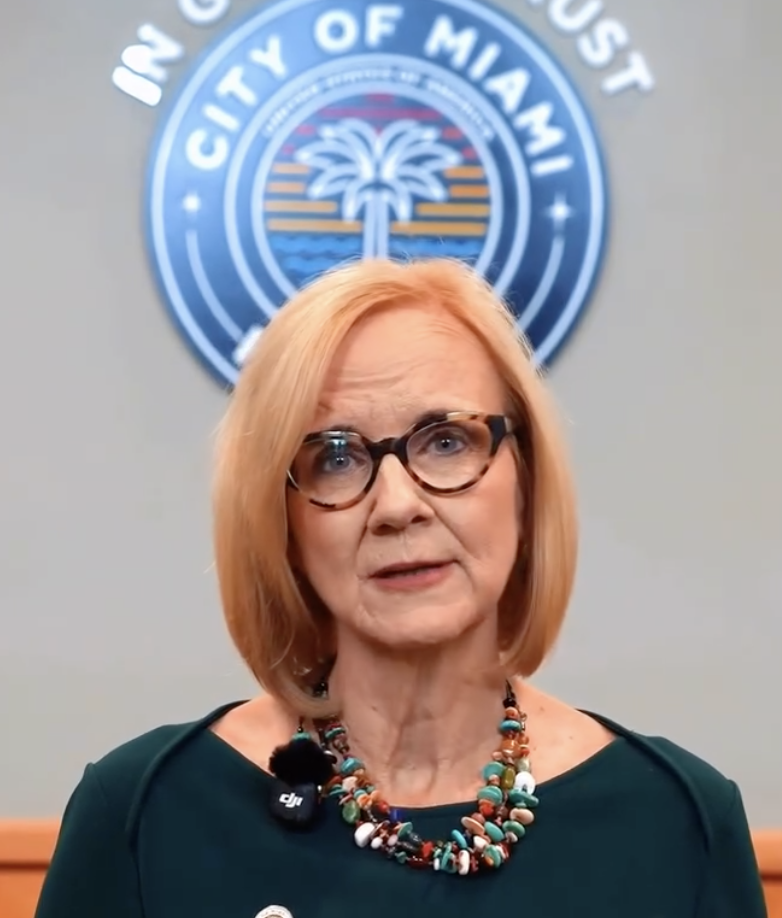 preside over this city commission meeting because today’s agenda involves matters of exceptional importance to Miami’s future. Proposals to address the crisis in our life-saving public safety infrastsructure, increase voter participation in city elections and strengthen our environmental programming.
“This is your city and these are your decisions. I look forward to working alongside your commissioners with purpose and commitment to deliver for you,” she said, rather stiffly. “From day one, I promised not just to talk about change, but to deliver it. Today is that promise in action.”
Yeah, but will she still preside over the meeting once she gets her prized $450 million public safety bond off the table?
The move matters. For years, commission chairpersons have effectively controlled the rhythm, tone and flow of meetings — deciding who speaks when, how long discussions linger, when tensions can escalate and when they can’t, and when items mysteriously disappear into procedural fog. It’s one of those quiet forms of power City Hall insiders understand intimately even if regular voters barely notice it exists.
During her mayoral campaign, Higgins openly promised she would preside over meetings herself instead of leaving the dais management entirely to the commission chair. While she has attended the meetings personally, sitting between the city manager 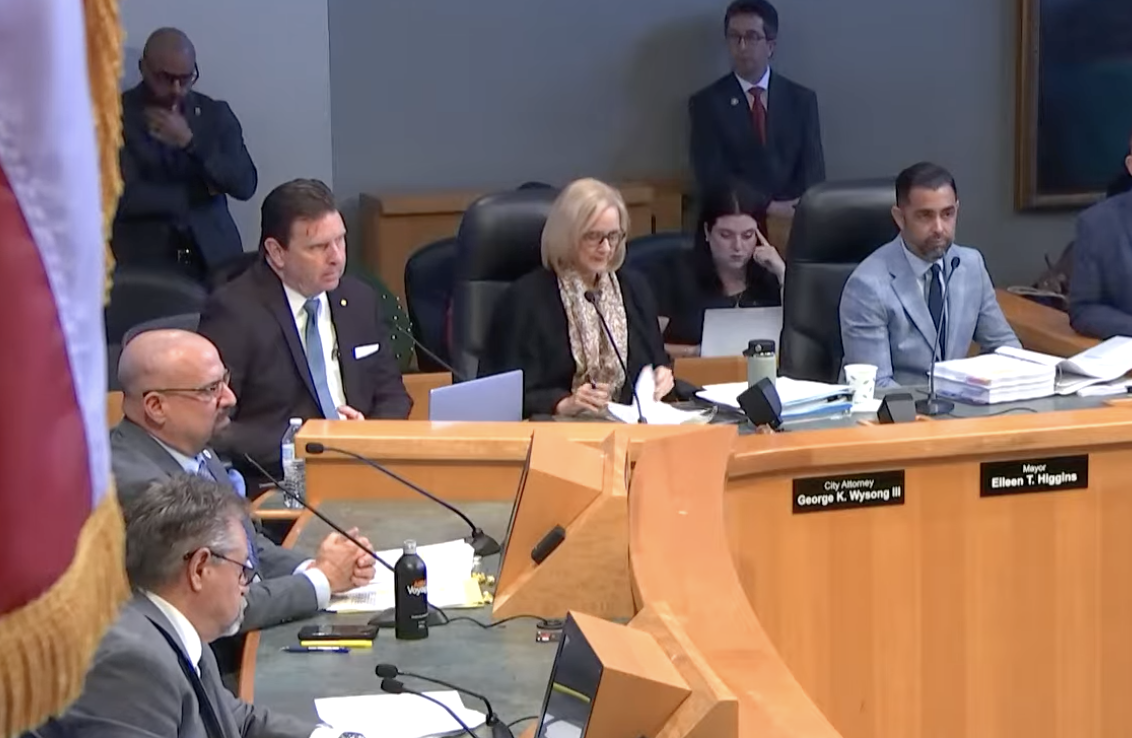 and the city attorney, Higgins has mostly been a bystander — until Thursday, when she finally did take the reins.
And by most accounts, it went surprisingly smoothly.
The meeting moved efficiently. Agenda items flowed. Speakers were managed cleanly, even though she did cut some people off it didn’t seem personal. Things happened quickly without descending into the usual Miami blend of procedural chaos, theatrical interruptions and existential arguments over parliamentary procedure that we all have come to know and love.
Porque for some longtime City Hall watchers, it may have bordered on unsettling.
Miami commission meetings are historically less known for streamlined governance and more known for six-hour emotional hostage situations, random procedural ambushes, commissioners talking over each other, and audience members accidentally becoming part of the agenda.
But Thursday felt different.
There was structure. There was pacing. There was movement.
And perhaps most importantly: There was a mayor visibly exercising authority inside a government structure where Miami mayors traditionally possess far less formal power than the public assumes.
Remember, Miami’s mayor is technically an operates under a “weak mayor” system, meaning the mayor holds little formal executive or administrative authority. The same city code section that gives Higgins the power to take the gavel also says she “shall not move, second, debate, or vote on any matter that comes before the city commission.” The commission still controls enormous portions of city governance, legislation and spending authority.
But by taking the chair, she gains something else: control over momentum. Which matters. Especially in Miami, where meetings themselves often become political weapons.
Now, not everybody appeared thrilled by the transition.
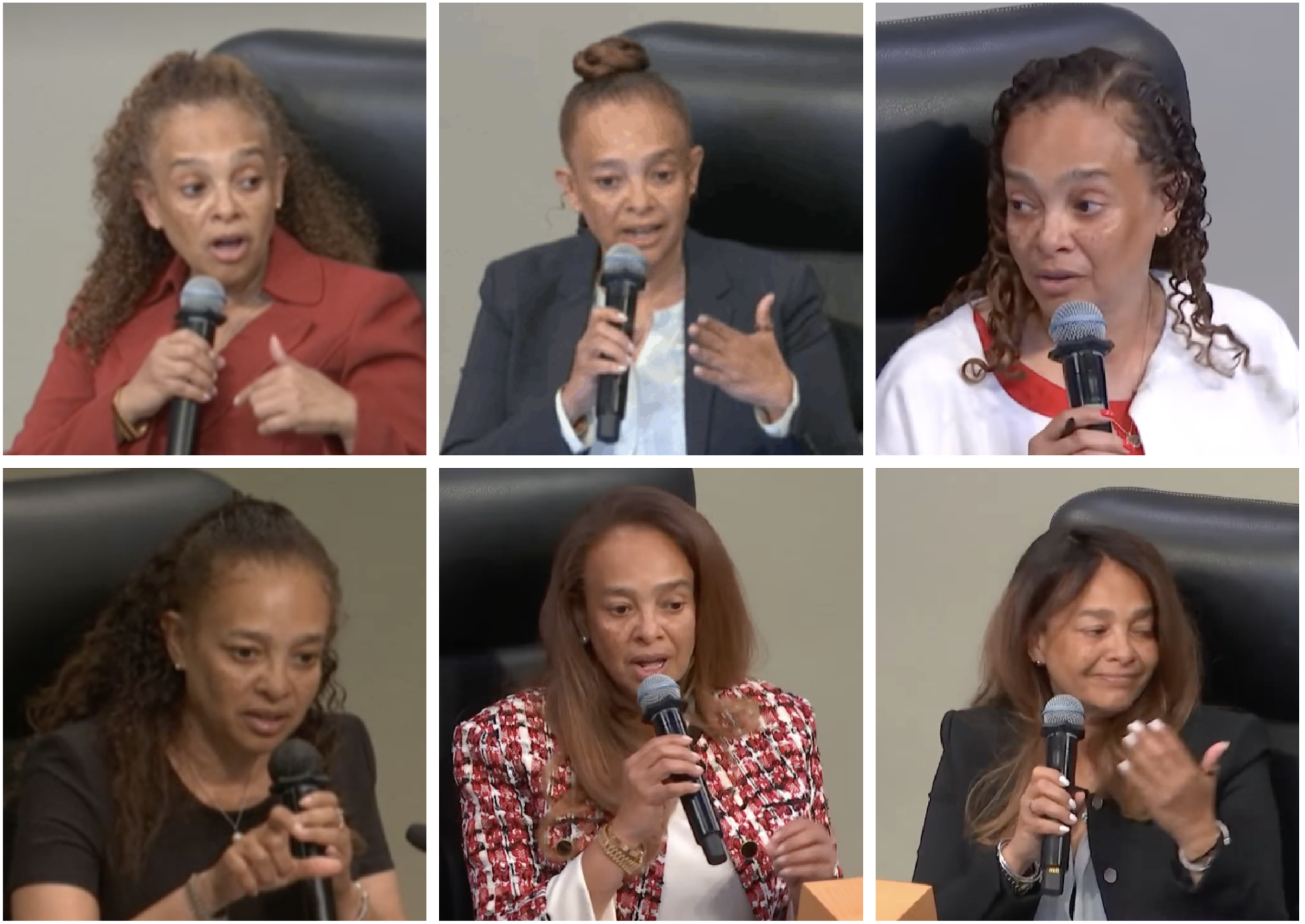 Commission Chairwoman Christine King — who had previously presided over meetings and seemed to relish the mic — looked, according to more than a few City Hall regulars, noticeably less bubbly than usual.
Read related: Miami Commissioner Christine King is sworn in, returned to her throne
To be clear, nobody is saying King openly rebelled or caused problems. The meeting itself remained professional. But several longtime observers quietly noted what they interpreted as visible irritation, clipped interactions and a certain undeniable “this used to be my show” energy floating around the dais.
Which, honestly, would not be shocking. Because surrendering the gavel may seem symbolic to outsiders, but inside City Hall symbolism is power. Visibility is power. Control of the meeting is power. As chair, King has adjourned early when things (read: Commissioners Miguel Gabela and former Commissioner Joe Carollo) got out of hand. Even deciding whose microphone comes on first can become its own tiny political ecosystem.
And Higgins knows that. Very well.
One of the consistent themes of her early administration has been projecting competence, professionalism and operational control after years of City Hall drama, scandals, lawsuits, FBI headlines and commission warfare. Presiding over meetings herself reinforces that image: Less chaos, less freelancing, less circus — more management.
At least, that’s the theory. We still have to see if it works. Because one clean meeting does not magically cure Miami government dysfunction. There are still factions, rivalries, bruised egos and approximately 17 ongoing political vendettas circulating through City Hall at any given moment.
And there’s also the larger unspoken question:How long before commissioners start pushing back if they feel Higgins is becoming too assertive in controlling meetings? Because, historically, Miami commissioners do not enjoy feeling managed by anybody — especially not publicly.
Still, Thursday represented something politically significant: Eileen Higgins stopped campaigning as the mayor who promised to take charge of meetings and actually took the chair. Which may not sound dramatic anywhere else in America.
But at Miami City Hall, even who holds the gavel can feel like a territorial dispute.
This kind of independent, government watchdog reporting is crucial to transparency and democracy. And more so every day. Help shine a light on the darker corners of our community with a contribution to Political Cortadito. Click here. Ladra thanks you for your support.

Miami power shift as Eileen Higgins takes gavel from Christine King added by Ladra on
View all posts by Ladra →
