

Miami-Dade’s wildly controversial school bus camera ticketing program is back, everybody. Because apparently the lesson from last year’s bureaucratic dumpster fire was not “slow down,” but “reboot it with better PR.”
County officials, school administrators, BusPatrol executives and Miami-Dade Sheriff Rosanna “Rosie” Cordero-Stutz gathered last week to announce the triumphant return of the AI-powered stop-arm enforcement program that generated more than 100,000 tickets, millions in revenue and enough public outrage to force its suspension less than a year ago.
This time, they swear, it’s different.
“This initiative is about making sure we do everything we can to protect children,” the sheriff said, emphasizing fairness, accountability and transparency — three words Miami governments usually invoke right before somebody demands another audit.
Read related: Miami-Dade School Board to revisit flawed, ‘connected’ BusPatrol program
Ladra wants to be crystal clear about one thing: Nobody is defending drivers who illegally blow past stopped school buses while 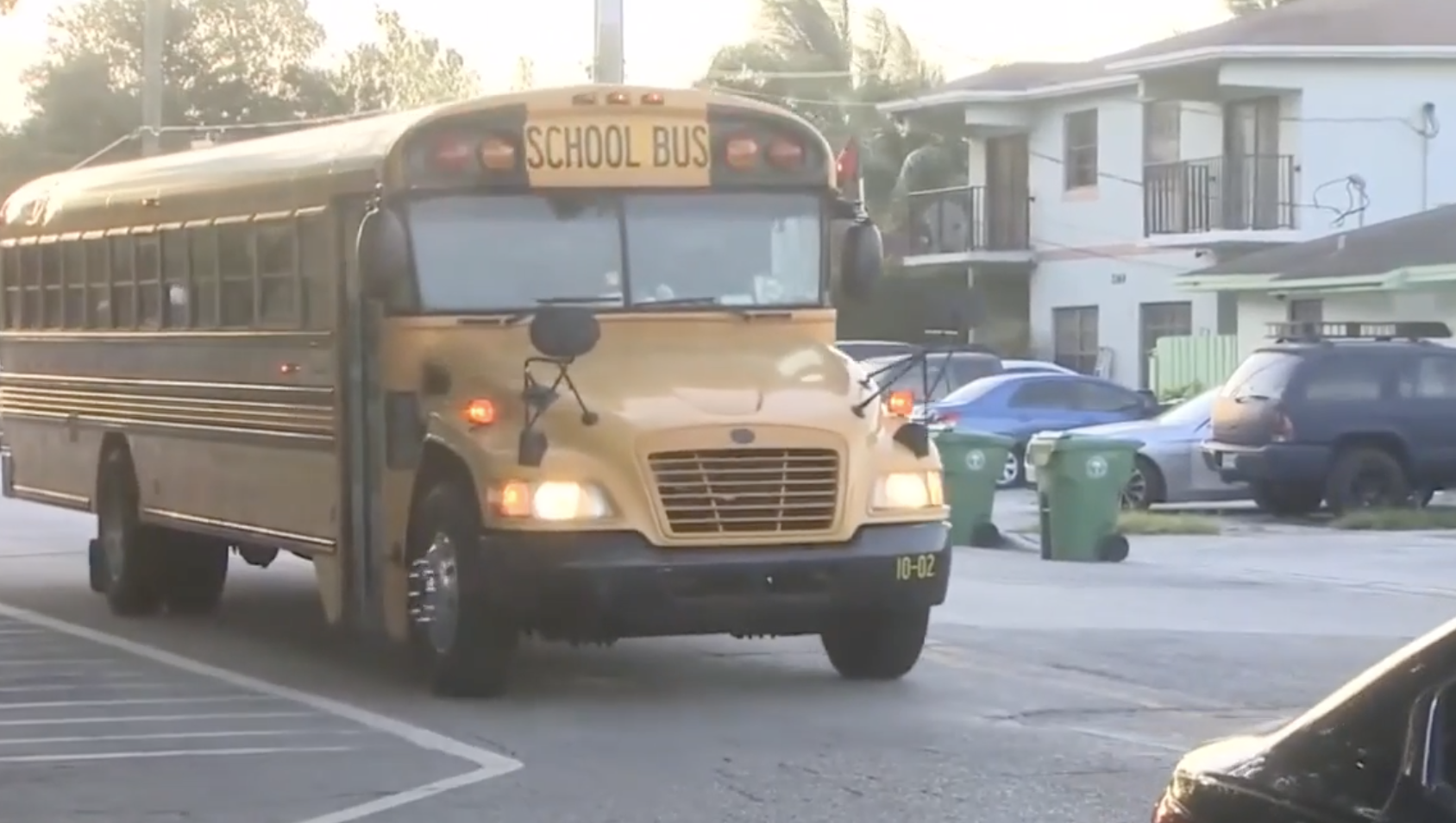 children are crossing the street. Those people deserve tickets, points, shame, maybe public humiliation at Versailles on a Saturday night.
But that’s not what made the original BusPatrol rollout such a disaster.
The problem was that thousands of people insisted they were ticketed even when they had done nothing illegal — including drivers traveling on the opposite side of divided roads separated by raised medians, which Florida law allows. State law requires drivers to stop for a school bus with flashing red lights and an extended stop-arm, regardless of the direction of travel, unless there is a raised median dividing the road. Which is what happened last year: Some photo violations were clearly cars on the other side of a median.
A Miami Herald/Tributary investigation found many drivers got trapped in bureaucratic purgatory when they tried to challenge the citations. Hearings never happened. Cases disappeared into limbo. Some people simply paid the $225 fine out of frustration.
Then things got worse.
The sheriff’s office suspended participation after “significant errors” surfaced in the citation process. Audits later found the school district had rushed into the contract without proper vetting, skipped competitive bidding, and failed to understand the coordination nightmare required between the courts, law enforcement, BusPatrol and the school district itself.
Pero por supuesto. This contractor is tied to not one, not two, not even three, but four local electeds. We’ll start with Miami-Dade Commissioner Vicky López, who, as state rep, ushered the law that allows for Bus Patrol to install cameras in Miami-Dade school buses — and just happens to have her son and her brother-in- law on their payroll.
After the suspension of the program by the sheriff last year, the company hired two politically connected lobbyists: David “Disgustin’” Custin and Tania Cruz Gimenez. Custin ran school board member Danny Espino’s 2024 campaign — for which Espino paid him more than $56,000 — and also worked for Mary Blanco, who paid him about $106,000. And Cruz Gimenez, who helped elect Cordero-Stutz, is married to Carlos “CJ” Gimenez, who is the son of the congressman but, more importantly for this story, the nephew of School Board Chairwoman Mary Tere Rojas.
Read related: Miami-Dade Commissioners silence voters, appoint District 5 replacement
You gotta have palanca when your operation is a mess: In true Miami fashion, the operation somehow managed to issue more  than 100,000 citations before anybody appeared to notice the machinery behind the curtain wasn’t fully working. One audit reportedly found that more than 40,000 uncontested violations were never properly converted into citations in the court system, costing the district an estimated $10 million in “potential revenue.”
And there it is. The magic phrase: Potential revenue.
Because while officials insist this is entirely about child safety — and again, child safety absolutely matters — the money involved is impossible to ignore.
According to the Herald, the district pays BusPatrol $225 per bus per month for the technology installed on roughly 1,000 buses. That’s $225,000 a month, or $2.7 million over the course of a year. BusPatrol also receives $65 from every $225 citation issued. but that means that the other $160 goes to the county.
That means every flashing stop arm doubles as a revenue stream.
Officials now say the new version of the program includes better artificial intelligence on the cameras, stronger oversight, clearer 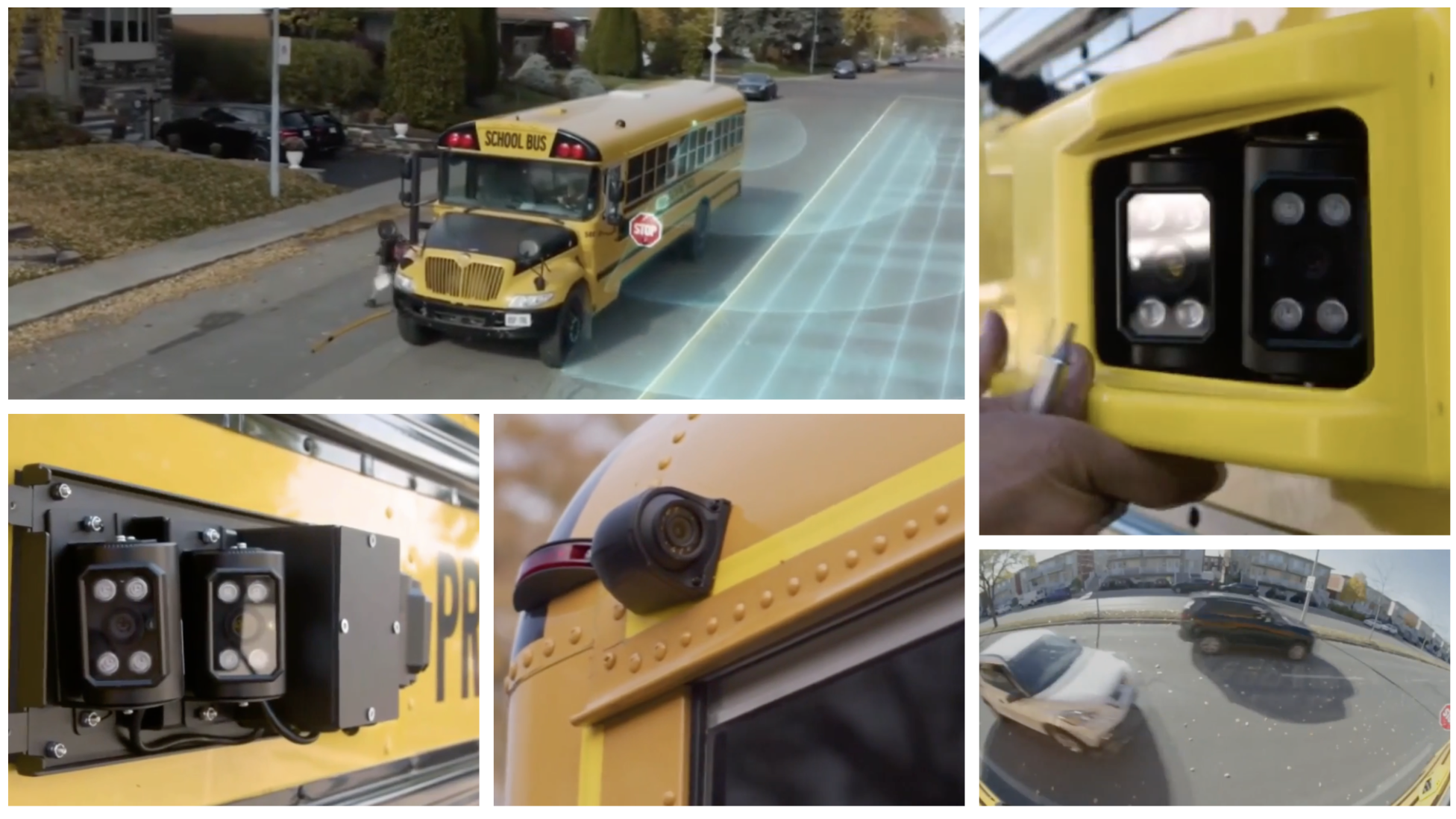 standards and improved appeal procedures. Drivers contesting tickets will now get virtual hearings through the Florida Division of Administrative Hearings instead of vanishing into an administrative black hole.
Sheriff’s deputies will also reportedly review every video against a formal checklist before violations are issued. Which raises an awkward question: What exactly were they doing before?
Read related: Miami-Dade School Board rejects outside help for superintendent search
The county also promises there will be better coordination among agencies this time around. That reassurance may sound comforting until you remember officials said they had coordination the first time, too.
Still, BusPatrol executives are praising Miami-Dade as a “national model” for community-based enforcement. Which is one way to describe a program that generated tens of millions of dollars, thousands of disputed tickets, multiple audits, angry residents, legislative fixes and enough political backlash to temporarily shut it down.
Now the cameras are rolling again.
Warnings began May 4. The fines kick back in May 18.
And Miami drivers — already dodging potholes, flooded intersections, rogue scooters and uninsured Altimas doing 90 on the Palmetto — can once again enjoy the added thrill of wondering whether an AI-equipped school bus is about to mail them a $225 surprise.
For the children, of course.
This kind of independent, government watchdog reporting is crucial to transparency and democracy. And more so every day. Help shine a light on the darker corners of our community with a contribution to Political Cortadito. Click here. Ladra thanks you for your support.

Miami-Dade’s controversial BusPatrol returns — and so do the $225 tickets added by Ladra on
View all posts by Ladra →