

New mayor, new bond — and ‘build, build, build’
Less than four months into the job, newly-elected Mayor Eileen Higgins is already talking about borrowing $450 million.
Yes, you read that right. Half a billion dollars — give or take — to fix police and fire stations that, she has suddenly realized, are falling apart, leaking, molding and generally looking like something out of a post-hurricane insurance commercial.
The proposal, branded “Safe and Ready Miami,” is on the agenda published Wednesday and headed to the city commission next week, where commissioners will decide whether to send the question to voters on the August ballot.
Fast. Very fast. Almost like there’s a clock ticking somewhere.
And didn’t we just do this?
It’s only been nine years since voters approved the $400 million Miami Forever Bond, the big-ticket program pushed by former  Mayor Tomás Regalado to address flooding, housing and infrastructure. Nine years is not ancient history.
And las malas lenguas — you know, the ones who always seem to know where the bodies are buried — say there’s still money left in that pot that could be used for public safety facilities.
So the obvious question is: Where did the old money go — and why do we suddenly need $450 million more?
There’s not enough left, proponents say. Ladra asked and will follow up with a full accounting of what’s been spent where.
But an analysis done last year shows that the city has at least $182 million in current and projected needs just in the fire department. Commissioners in January talked about extending their debt service for up to $1 billion in identified capital projects — Commissioner Damian Pardo‘s figure. But maybe that was just to prime us for the $450 million price tag.
Read related: A beautiful beginning: Eileen Higgins sworn in as Miami mayor; now what?
“We need to fix this situation,” Higgins said in an interview this week with the Miami Herald, which first reported the mayor’s bond initiative, sounding very urgent. “We can’t wait. I can’t have employees working in these kind of conditions, particularly the people who literally will save your grandmother’s life when she has a heart attack.”
That sounds like a TV ad for the referendum, doesn’t it?
New District 3 Commissioner Rolando Escalona — the successor to Joe Carollo — has already signed on as a co-sponsor.
“We cannot continue to call ourselves a city that prioritizes public safety while asking our police officers, firefighters, dispatchers and support personnel too work out of facilities that are outdated, deteriorating, and no longer meet the demands of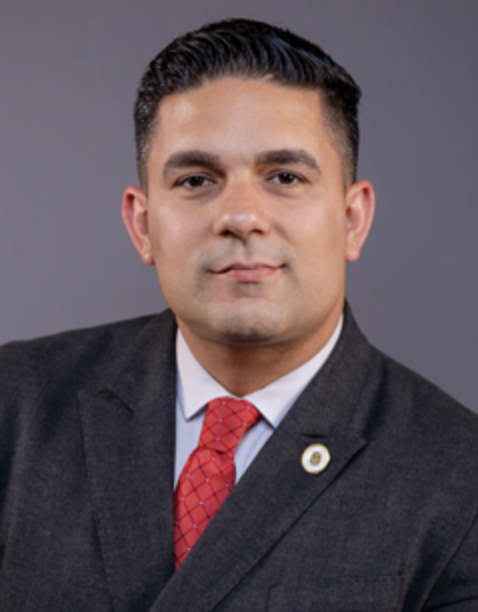 today,” Escalona told Political Cortadito in a text statement. “Every day we delay, we place unnecessary strain on the very people we rely on in our most critical moments.
“This is about readiness. It is about ensuring that when a call comes in, our first responders are equipped, supported, and able to act without limitation,” Escalona said. “When we invest in them, we are directly investing in the savers of very single resident in our city.
“This bond is a direct investment in safety. It will allow us to build the fire stations our city urgently needs, modernize critical infrastructure, improve response times and strengthen our ability to protect lives and property,” he added.
But… and there’s always a but… it’s also a means to pave the way for new development.
Read related: A GOP hugger vs. a developers’ darling — Miami’s mayoral race just got defined
Part of the plan would be to move the police headquarters, possibly to Miami Freedom Park — if traffic studies pan out and Ladra suspects they will not (more on that later) — and sell the current building, in a prime location at 400 NW 2nd Ave., to, probably, one of the many developers that donated to the Higgins mayoral campaign, so they can build “affordable” housing. The value has been estimated between $70 and $80 million.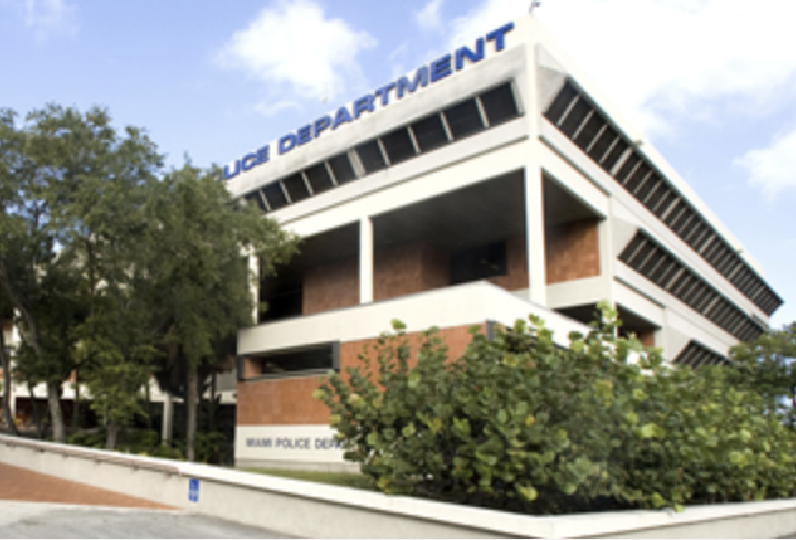
Selling the station will give the city revenue to buy new police and fire equipment. Trucks and defibrillators and tasers cannot be purchased with bond funds.
There may also be plans to replace fire stations, which would also become other potential real estate deals.
Firefighters are wary, because Brickell Fire Station 4 was famously cleared out to make way for the 67-story Mercedes tower in exchange for a brand new one. But the development has stalled, hard, after developer JDS Development Group was hit by an $80.4 million foreclosure lawsuit.
So, this is about more than just being “safe and ready” — which is a great tagline for the referendum. It is about booming construction further. It is about prime land decisions. And when there are prime land decisions, developers are not far behind.
Higgins — who’s mayoral campaign was flush with developer dough — says she discovered the problem while touring facilities. Leaky roofs. Broken plumbing. Firefighters using portable bathrooms. Police headquarters bursting at the seams.
Nobody disputes that some of Miami’s public safety buildings are old. Some fire stations are more than 50 years old. The police headquarters dates back to 1976 — when disco was still on the radio and nobody had heard of body cameras.
Read related: Miami’s public safety circus: A sardonic welcome to new Mayor Eileen Higgins
But the question is how did she not know this when she represented the area as a county commissioner for District 5? All of a sudden there’s an urgency in her message. But Ladra — who wrote her a letter in December right here about the needs — thinks she knew this all along. Because urgency is a powerful political tool. And nothing creates urgency faster than describing raw sewage and broken showers in buildings where firefighters sleep during 24-hour shifts.
Higgins took office in December. It’s now barely spring. And already there’s a push to float nearly half a billion dollars in borrowing — and get it on the ballot as soon as August. That kind of timeline doesn’t just happen. It gets built.
And it raises another question: Who benefits most from moving this quickly? Because when bonds move fast, scrutiny often moves slow.

Public safety unions — the same ones that endorsed Higgins during her campaign — are likely thrilled to hear talk of new facilities, new equipment and modernized workspaces. Who wouldn’t be?
And nobody wants firefighters using port-a-potties and sleeping under moldy ceilings or police officers working in buildings that flood when it rains.
But endorsements come with expectations. And bonds — especially big ones — deliver results: Construction contracts. Renovation projects. New buildings. New trucks.
All of which come with price tags — and political relationships.
Higgins and Escalona say the bond won’t raise taxes, because it would stay within the city’s current capital debt millage rate. That’s technically possible. It’s politically reassuring, of course. But bonds are still debt. It extends the amount of time that taxpayers will carry that debt — even if the tax rate stays the same. So it becomes generational debt.
And once you open the borrowing door, it rarely closes quickly. Again, we did this less than a decade ago.
Read related: Baptism by fire at Miami City Hall for Eileen Higgins and Rolando Escalona
Here’s the quiet tension behind all this: If the city still has resources from the Miami Forever Bond — or projects that could be reprioritized — voters may start asking why a new bond is necessary now.
Why not get a full public accounting of the Forever Bond first? Because $450 million is not pocket c hange.
And pushing it just months into a new administration feels less like careful planning and more like political momentum.
Public safety is an easy sell. Nobody wants to be seen voting against firefighters. Nobody wants to explain why police buildings stay broken.
That’s what makes bonds like this powerful. And dangerous.
Miami voters are being asked to sign off on half a billion dollars before they’ve been shown the full financial picture.
And history has taught Miami something important: Big bonds sound noble at the start. But the real story is always in the fine print — and in what happens after the ribbon-cuttings end.
So, yeah, expect this one to move quickly. Expect emotional testimony about safety and dignity. Expect glossy renderings of shiny new buildings.
But also expect a lot of questions — especially from the people who remember that nine years ago, Miami voters already wrote a $400 million check.
Political Cortadito can only exist with the financial support from readers like you. If you like what you read here, please consider making a contribution to support the independent, government watchdog journalism on this website. Click here. Ladra thanks you!

Miami Mayor Eileen Higgins wants a half a billion dollars for public safety added by Ladra on
View all posts by Ladra →
