
Another public corruption arrest landed in Miami this week — and once again, it involves money taken from taxpayers that was supposed to serve the public, but quietly slipped into private hands.
The former interim director of the Wynwood Business Improvement District, Florentino Diaz, is now facing 27 counts of grand 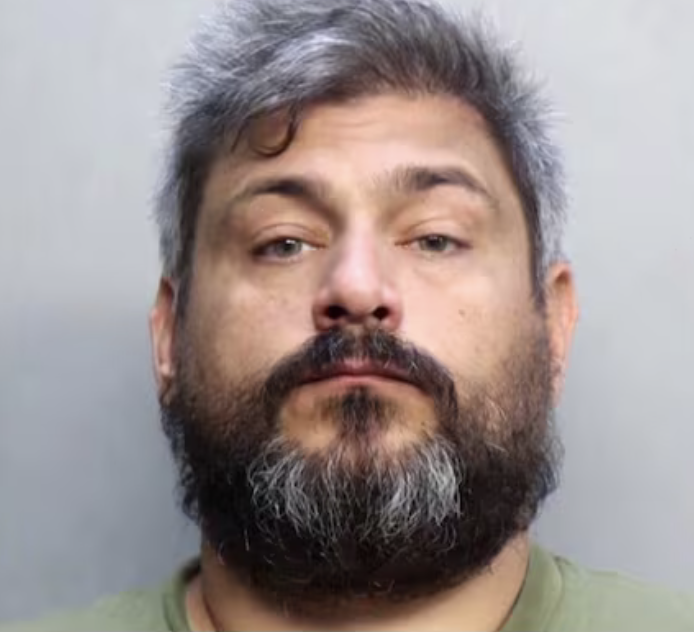 theft, along with charges of fraud and forgery, after authorities say he diverted nearly $200,000 from the Wynwood Business Improvement District into his own accounts.
That’s not pocket change.
Property owners in the trendy neighborhood pay into a system expecting services — security patrols, sanitation, promotion — not personal vacations and restaurant outings for a Coral Gables man.
And it raises a bigger issue that Miami keeps circling back to, over and over again: How many more “slush funds” are operating with too little oversight?
It’s not like Diaz performed brain surgery, here.
Read related: Lubby Navarro shopping spree on public dime ends with prison sentence
According to investigators, Diaz allegedly forged a letter on official BID letterhead — including the vice chairman’s signature — instructing a bank to release a $46,336.41 interest payment directly to him during the agency’s transition from one bank to another in April of last year.
“That false letter appeared legitimate. Because it was on official Wynwood BID letterhead,” Miami-Dade State Attorney Katherine Fernandez Rundle said Tuesday at a press conference.
That payment never reached the district’s new account. Instead, prosecutors say it landed in Diaz’s personal account. They even 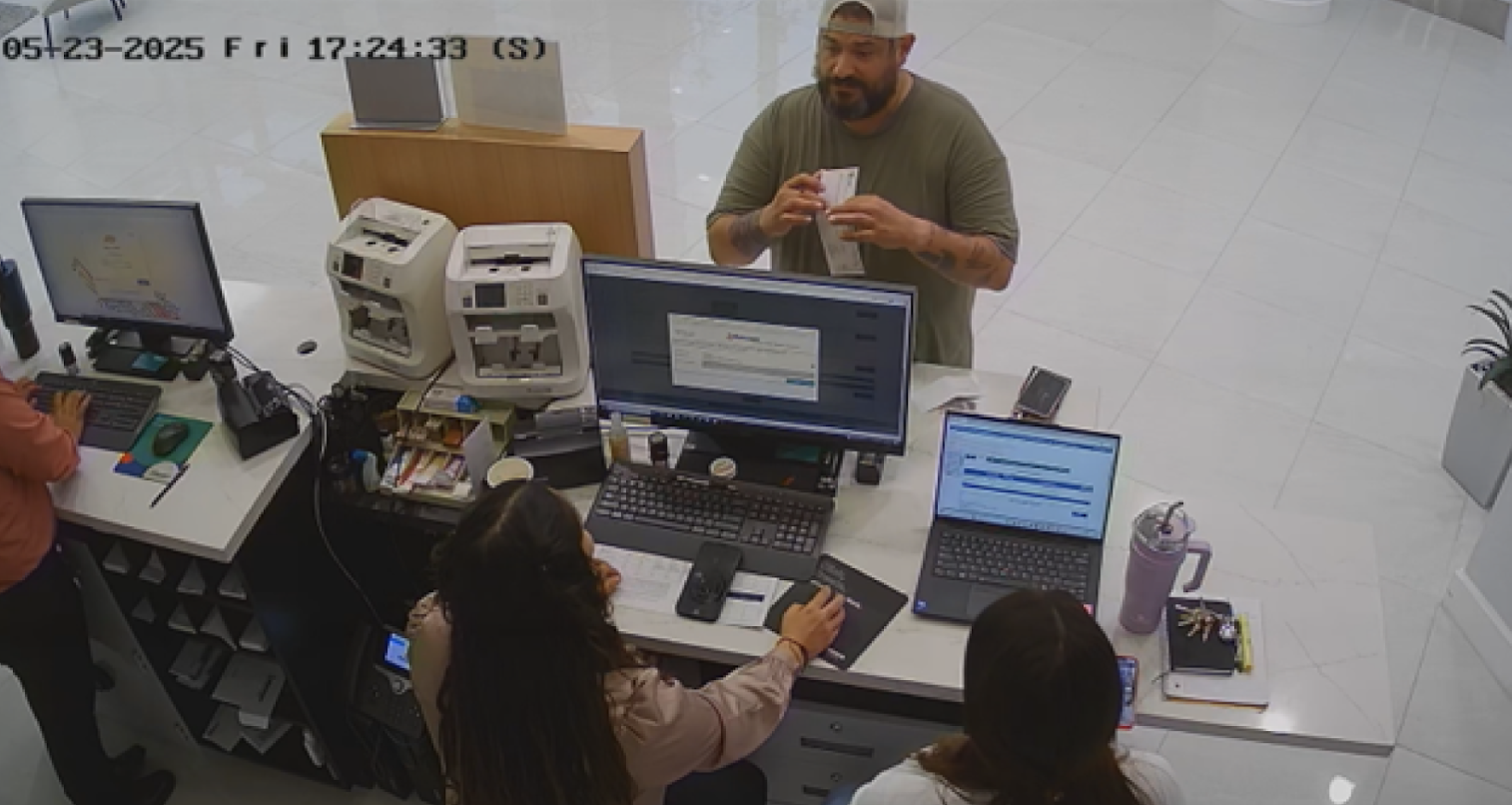 have a photo of him at in the teller line at the bank.
Once investigators started digging, they say they found 26 separate wire transfers between July 2024 and May 2025 totaling more than $145,200, all allegedly routed to accounts he controlled. In total, prosecutors say more than $192,000 was siphoned away from the district.
The money, authorities say, was used on personal expenses — including travel and dining — while the district kept operating, unaware the funds were disappearing.
“It appears that Diaz altered the bank statements by superimposing… to make it appear that the payments were being made to legitimate vendors,” Fernandez Rundle said. Those vendors included Cox Radio, a landscaping firm, a sign shop and The McClatchy Company, the publisher of the Miami Herald.
Read related: Effort to dissolve Miami DDA cites ‘bloated’ salaries, redundancy, UFC gift
Business Improvement Districts, or BIDS — like the one in Wynwood, created in 2013 — are funded by mandatory extra tax assessments paid by property owners. That money isn’t voluntary. It’s collected like a tax. It is part of their tax bill.
And while BIDs aren’t government agencies in the traditional sense, they operate in a gray area that often looks and feels like public infrastructure — funded by the public, serving the public, but sometimes governed with fewer safeguards than traditional government departments.
The Wynwood BID, formed in 2013, represents more than 400 property owners and plays a major role in maintaining the 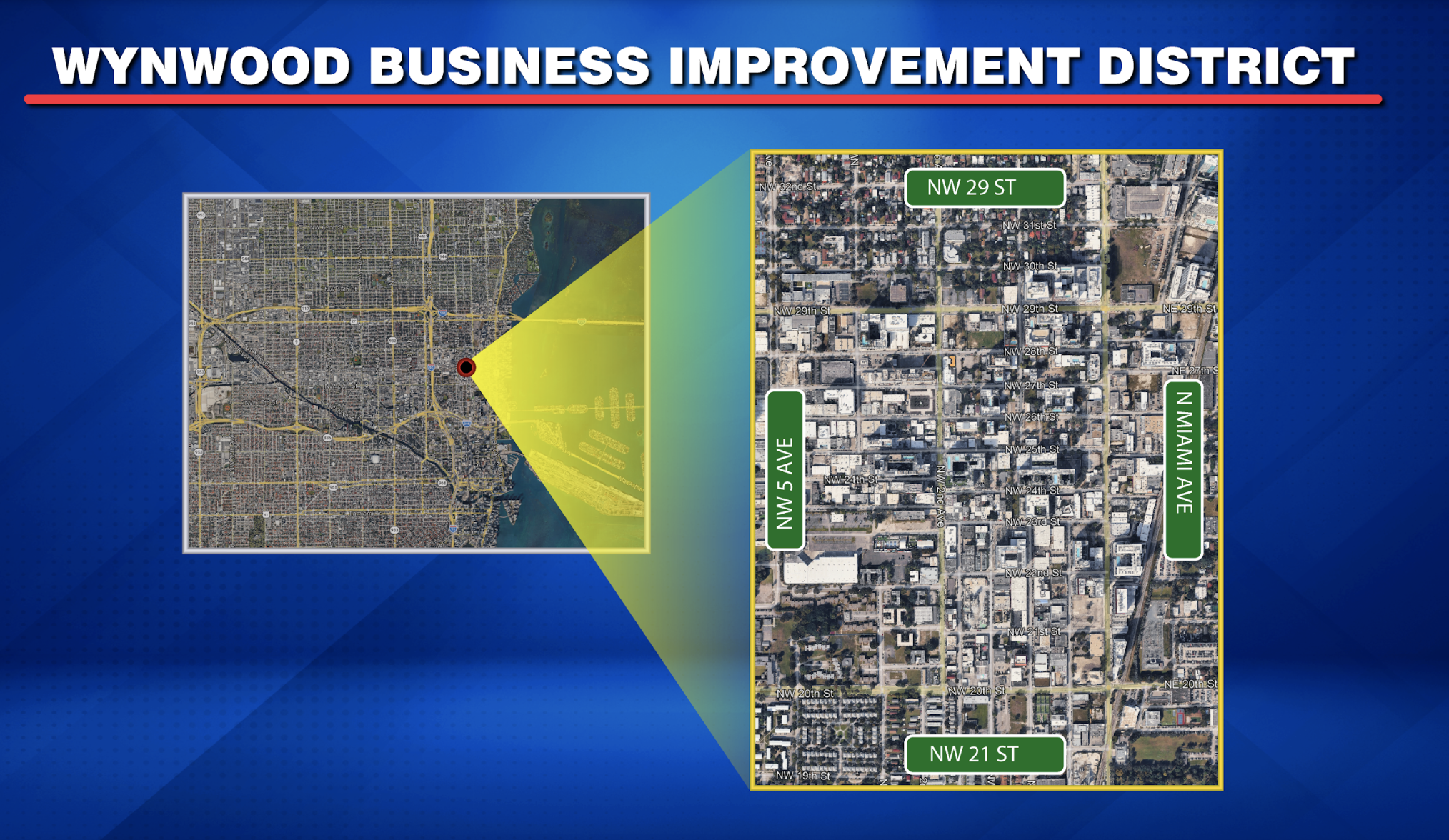 neighborhood that helped transform Wynwood from warehouse district to global brand.
That kind of money flow demands oversight. Real oversight. Not assumptions.
Every time a corruption case surfaces — whether it’s in schools, city government, or quasi-public districts — the same uncomfortable truth surfaces: The system often relies on trust until something breaks.
In this case, the alleged fraud stretched across months — nearly a year — before authorities intervened.
That timeline raises obvious questions. Who was reviewing the transactions? Were regular audits happening? Were internal controls actually functioning — or just assumed to be?
Because fraud of this size doesn’t happen in a single moment. It happens gradually. Quietly. Repeatedly.
Until someone finally notices.
Or until the money runs out.
Fernandez Rundle called the arrest a reminder that corruption remains an ongoing fight — and she’s right. Like a broken clock is right twice a year.
“This arrest and the arrest warrant remind us all that the fight against corruption is never finished,” Fernandez Rundle said. “And 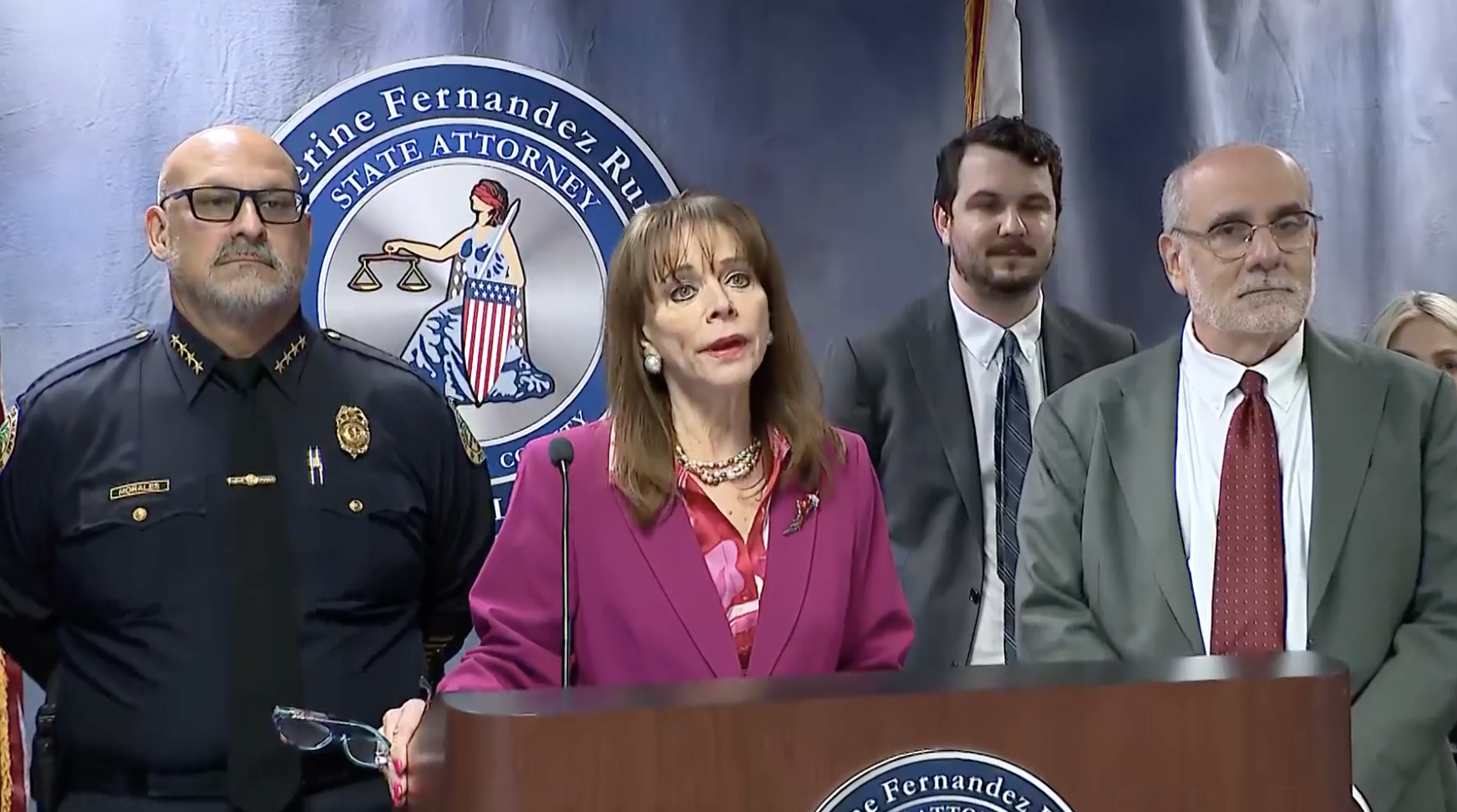 the same moral void that whispers ‘oh no one will notice’ is almost biblical in its power of temptation and convinces some people that somehow they deserve the money that doesn’t belong to them even knowing that they are stealing.
“When an official diverts public money for personal gain, they absolutely betray the people they were employed to serve,” Fernandez Rundle. “The harm of such alleged thefts goes way beyond the missing funds. There’s no doubt that such thieving erodes the public’s trust in our government.”
But enforcement alone isn’t enough to bring it back. Prevention matters more. And prevention starts with oversight.
Not ceremonial oversight. Not occasional oversight. Constant oversight. Formal oversight. Real oversight.
Read related: Miami Joe Carollo Bayfront scandal snares Coral Gables pal Javier Baños
Miami has seen too many cases in recent years involving public money — or public-adjacent money — being misused by individuals who had access but not enough supervision. Look at former Miami Commissioner Alex Diaz de la Portilla, who gave a friend and former campaign worker a no-show job at the Omni CRA while he was chair. Or at former Miami Commissioner 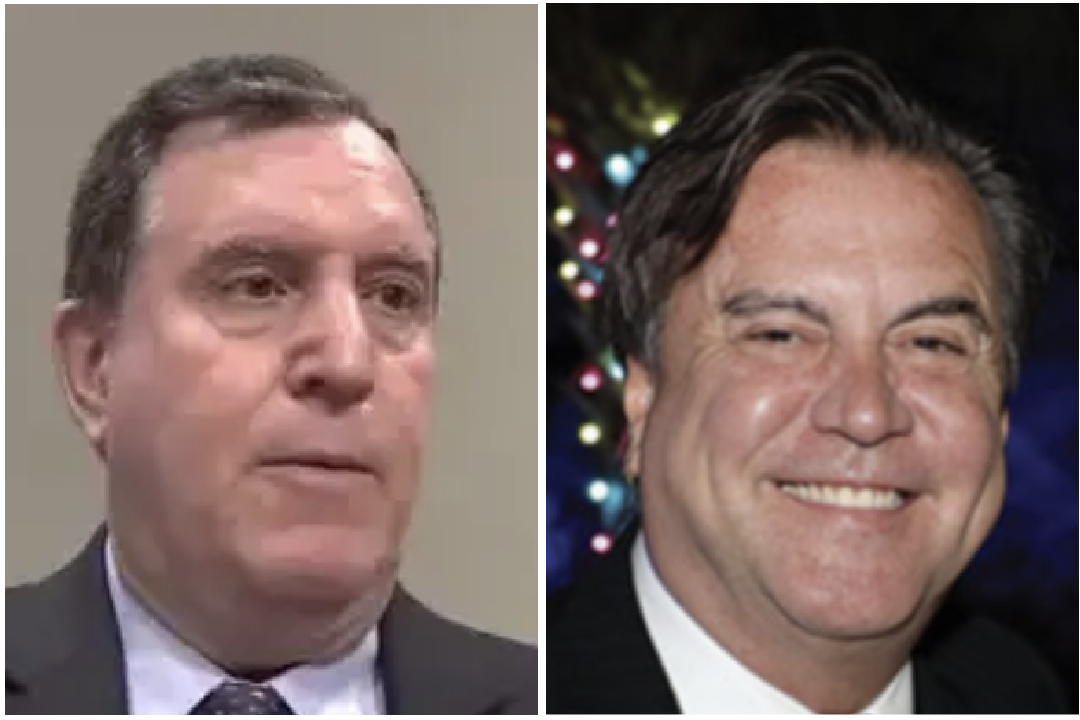 Joe Carollo, who was accused of using the Bayfront Park Management Trust, where he was chair for nine years, as his own personal piggy bank, diverting money to pay for his own district events and fuel for yacht parties.
Two former Trust employees — the executive director and finance director — filed a federal lawsuit that detailed much of the spending abuse after they were fired for raising questions. We haven’t seen the results of an investigation yet.
But there’s a pattern here. And it isn’t just troubling. It’s predictable.
Business Improvement Districts and similar entities sit in a strange space — not fully public, not fully private, either. They manage public-facing money but sometimes operate without the same strict transparency requirements as government agencies. That ambiguity can create blind spots. And those gaps is where risk grows.
And if nearly $200,000 can allegedly disappear from one district without immediate detection, it raises legitimate concerns about how other districts — and community redevelopment agencies, and the Downtown Development Authority, and the Bayfront Park Management Trust — are being monitored.
Or not monitored.
Read related: Omni CRA ghost employee fired, could be rehired by Commissioner ADLP
Nearly $200,000 intended to support Wynwood’s operations allegedly vanished through forged documents and wire transfers. Now Florentino Diaz faces serious charges — and likely years of legal battles ahead.
But this case isn’t just about one individual. It’s about a system that depends heavily on trust and not enough on verification.
If Miami wants to prevent the next corruption headline, the conversation shouldn’t end with arrests. It should begin with audits.
Because in a city filled with special districts, improvement districts, and quasi-public funds, oversight isn’t optional.
It’s survival.
This kind of independent, government watchdog reporting is crucial to transparency and democracy. And more so every day. Help shine a light on the darker corners of our community with a contribution to Political Cortadito. Click here. Ladra thanks you for your support.

Wynwood BID theft case raises familiar question: Who’s watching the money? added by Ladra on
View all posts by Ladra →
