

Miami-Dade County commissioners did something Tuesday that felt equal parts principled stand and political performance art: they formally urged Gov. Ron DeSantis to veto Senate Bill 1134 — a sweeping measure that would bar local governments from funding or officially engaging in diversity, equity, and inclusion initiatives.
There’s just one small problem. DeSantis has already said he’s excited to sign it.
Pero por supuesto.
This isn’t just about buzzwords. It could hit the county’s alphabet soup of advisory boards squarely in the budget.
Under the new legislation, which will be effective in January if the guv signs it , local governments would be prohibited from 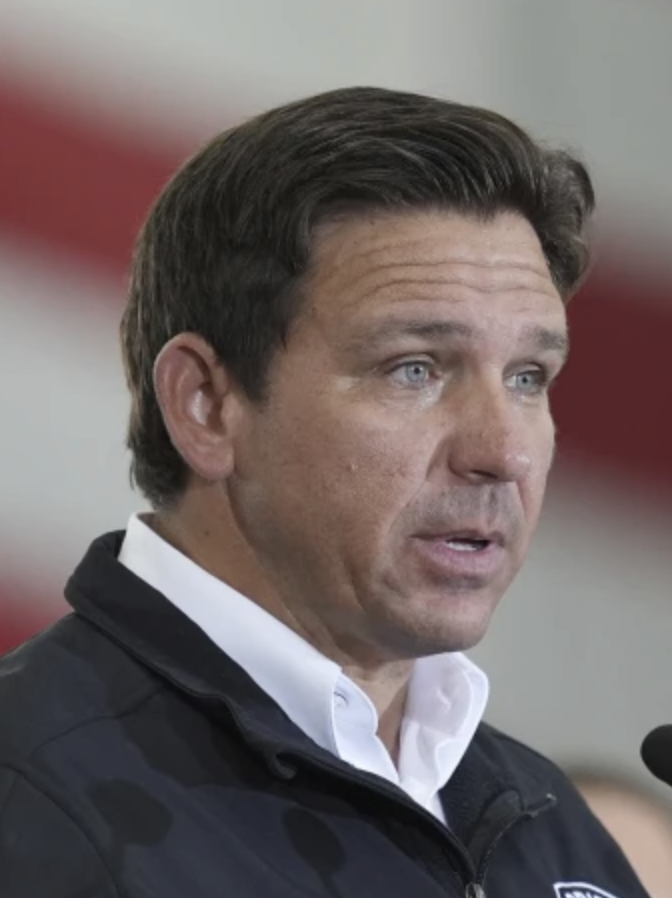 funding, promoting, or taking official action on programs tied to race, sex, ethnicity, gender identity, or sexual orientation beyond standard anti-discrimination compliance. Violations could be deemed “malfeasance” or “misfeasance” in office — legal terms that open the door for removal by the governor.
Removal.
And Miami-Dade has a lot of boards that exist precisely to advise on those issues, including panels focused on Black affairs, Hispanic affairs, Asian affairs, LGBTQ issues, women’s issues and other community equity concerns. Whether they would all have to disappear isn’t entirely clear — which is exactly the problem critics keep pointing to. The bill’s definitions are broad, the carve-outs are narrow, and the penalties are nuclear.
Local officials could even face lawsuits from residents who believe the law was violated. In this community, that could create a backlog.
Read related: Fontainebleau water park slides past local opposition — through Tallahassee
During Tuesday’s meeting, Commissioners Vicki Lopez, who gave a legislative review, and Raquel Regalado acknowledged 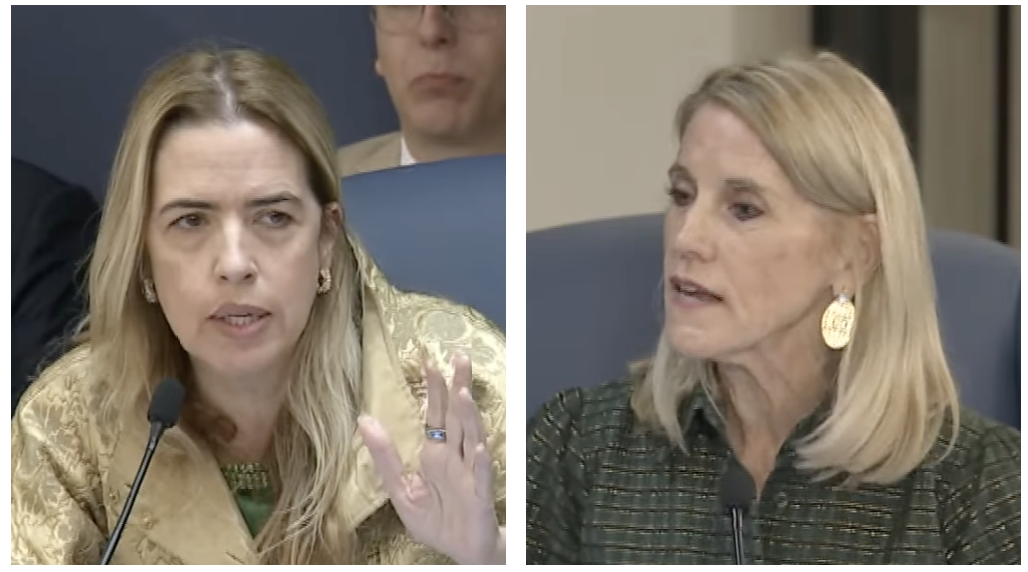 the obvious: the governor has telegraphed his support. But the commission voted to urge a veto anyway.
Because sometimes the goal isn’t to win. It’s to go on record. Expect that resolution to appear in future campaign mailers, op-eds, and speeches — proof that local leaders “stood up” for their communities even if Tallahassee steamrolled them.
Supporters of the bill, led by Rep. Dean Black — the same guy who failed to pass a bill prohibiting primos from getting married — argue DEI programs waste taxpayer money and divide society into identity-based factions. Opponents say the legislation is so vague it could chill routine civic activities — proclamations, cultural celebrations, heritage events, even Pride participation (can an elected sit in a car at a parade?) — because officials might fear lawsuits or removal from office.
Democrats in the Legislature tried to add clarifying language and exemptions. All failed. One lawmaker warned the bill could theoretically jeopardize recognitions for everything from Women’s History Month to Diwali to Jamaican Independence Day. Another called the proposal “insane.”
Republicans called it reform.
But Miami-Dade County doesn’t just dabble in diversity. It practically runs on it. “We’re a minority majority community,” said Commissioner Danielle Cohen Higgins, who also raised concerns about monies granted to community based organizations whose missions are centered on certain demographics. She asked for Lopez to read the definition of DEI.
“That is a sweeping definition. And a lot, if not the vast majority of our CBOs cater to different communities that are specifically 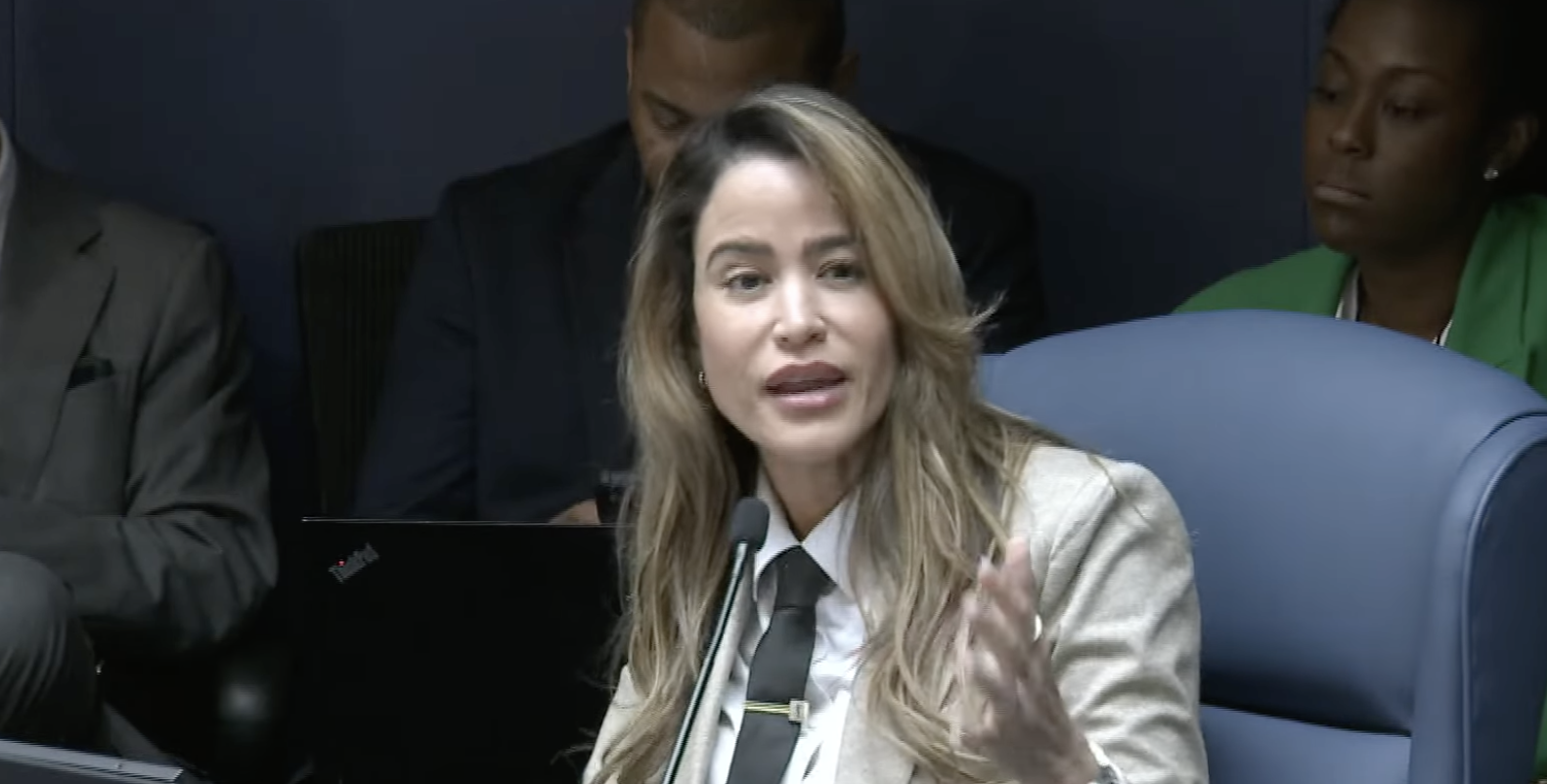 mentioned in that definition,” Cohen Higgins said, referring to the Hispanic Chamber, the Latin Builders and the Haitian Bar Association as examples and wondering if changing their names would suffice to keep them funded. The answer was no.
“I just can’t imagine with a definition that broad and that sweeping in a community that is majority minority like Miami-Dade County how we as a body would not be able to put our dollars behind the values that we hold so high in our community in supporting different organizations that are doing great work.”
Commissioner Oliver Gilbert urged what he called the “matching shirts crowd,” referring to the activists and CBO leaders who show up at every budget hearing to beg for their allocations. “Go to Tallahassee right now,” he said. If they don’t, he added, “it will not matter if you come to our public hearing.”
Read related: Miami-Dade’s nonprofit drama — a big show with a black hole ticket price
Miami-Dade’s multiple CBOs and advisory boards aren’t fringe committees — they are institutional fixtures that influence policy, community outreach, and funding decisions. Eliminating or neutering them would fundamentally change how local government  interacts with its population.
And let’s be honest: no one wants to be the test case for a lawsuit that could end their political career.
The resolution urging a veto will almost certainly land on the governor’s desk — right next to the bill itself.
One will get signed. The other will get filed in the circular file. And commissioners can now tell constituents, advocacy groups, and editorial boards that they tried.
But Miami-Dade asked the governor to stop a train that has already left the station, crossed the county line, and is blowing its horn on approach.
The real question isn’t whether SB 1134 becomes law. It’s how quickly local governments start scrubbing websites, dissolving boards, rewriting policies, and consulting lawyers once it does.
Because if the bill is as sweeping as critics fear, Miami-Dade won’t just need new programs.
It may need a new playbook for how to acknowledge and serve its own population.
This kind of independent, government watchdog reporting is crucial to transparency and democracy. And more so every day. Help shine a light on the darker corners of our community with a contribution to Political Cortadito. Click here. Ladra thanks you for your support.

Miami-Dade commissioners vote to urge Ron DeSantis to veto anti-DEI bill added by Ladra on
View all posts by Ladra →
