
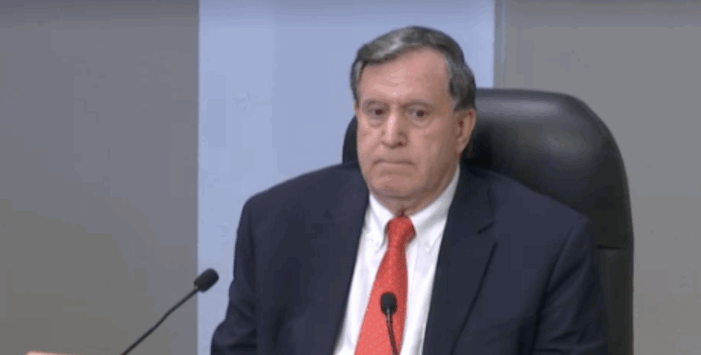
Former Miami commissioner’s last appeal dies in D.C.
The end finally came without fanfare.
No oral arguments. No dramatic reversal. No last-minute rescue. Just a quiet line on a Tuesday order list from the Supreme Court of the United States: Cert denied.
And with that, former Miami Commissioner Joe Carollo has run out of courtrooms.
The high court refused to hear Carollo’s appeal in his yearslong legal war with the owners of Ball & Chain, leaving intact a 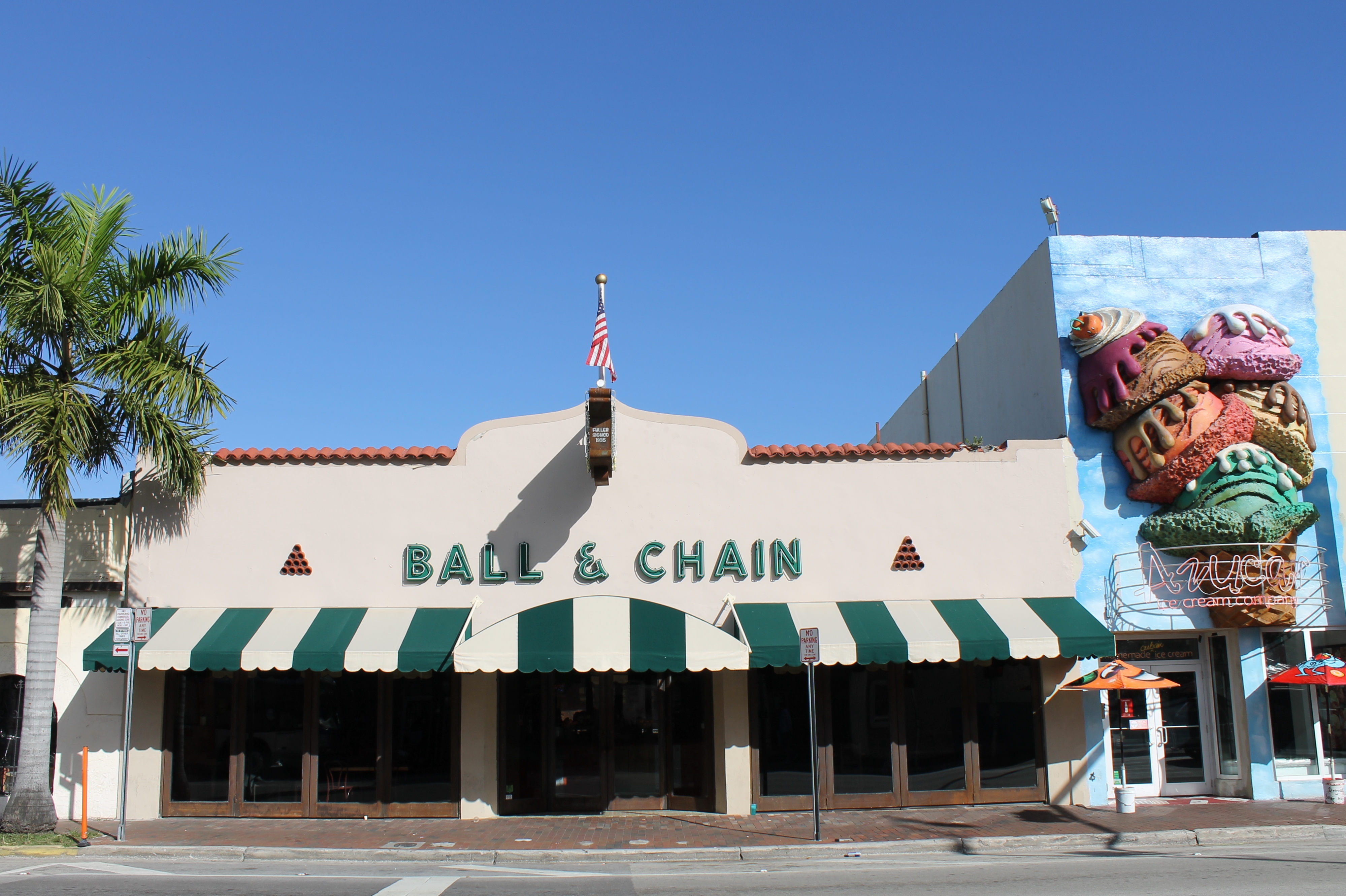 staggering $63.5 million jury verdict in favor of Little Havana businessmen William Fuller and Martin Pinilla. The Supreme Court’s refusal to hear the case effectively lets that conclusion stand.
No dissent. No commentary. No rescue. Just the end of the verdict that wouldn’t die.
It would have been nice to get a full dressing down of the commissioner. The Supreme Court doesn’t explain why it denies certiorari. It doesn’t have to.
Still, sometimes silence says it all.
Read related: Miami Commissioner Joe Carollo loses appeal on $63.5 million jury award
A federal jury found in 2023 that Carollo used city resources to retaliate against Fuller and Pinilla after they backed his political opponent in 2017 — a violation of their First Amendment rights. The verdict: roughly $63.5 million in compensatory and punitive damages.
Carollo lost that trial — unusually dramatic for a First Amendment retaliation case involving a sitting elected — after bruising testimony from the plaintiffs, city staffers, police officers and political operatives. The ex commissioner — who lost a fat chance mayoral bid last November — took the stand in his defense. But that never works out for him.
He lost again at the U.S. 11th Circuit Court of Appeals, which affirmed the lower court and dismissed his first appeal. His legal team, including former commissioner Marc Sarnoff, focused heavily on alleged improper contact 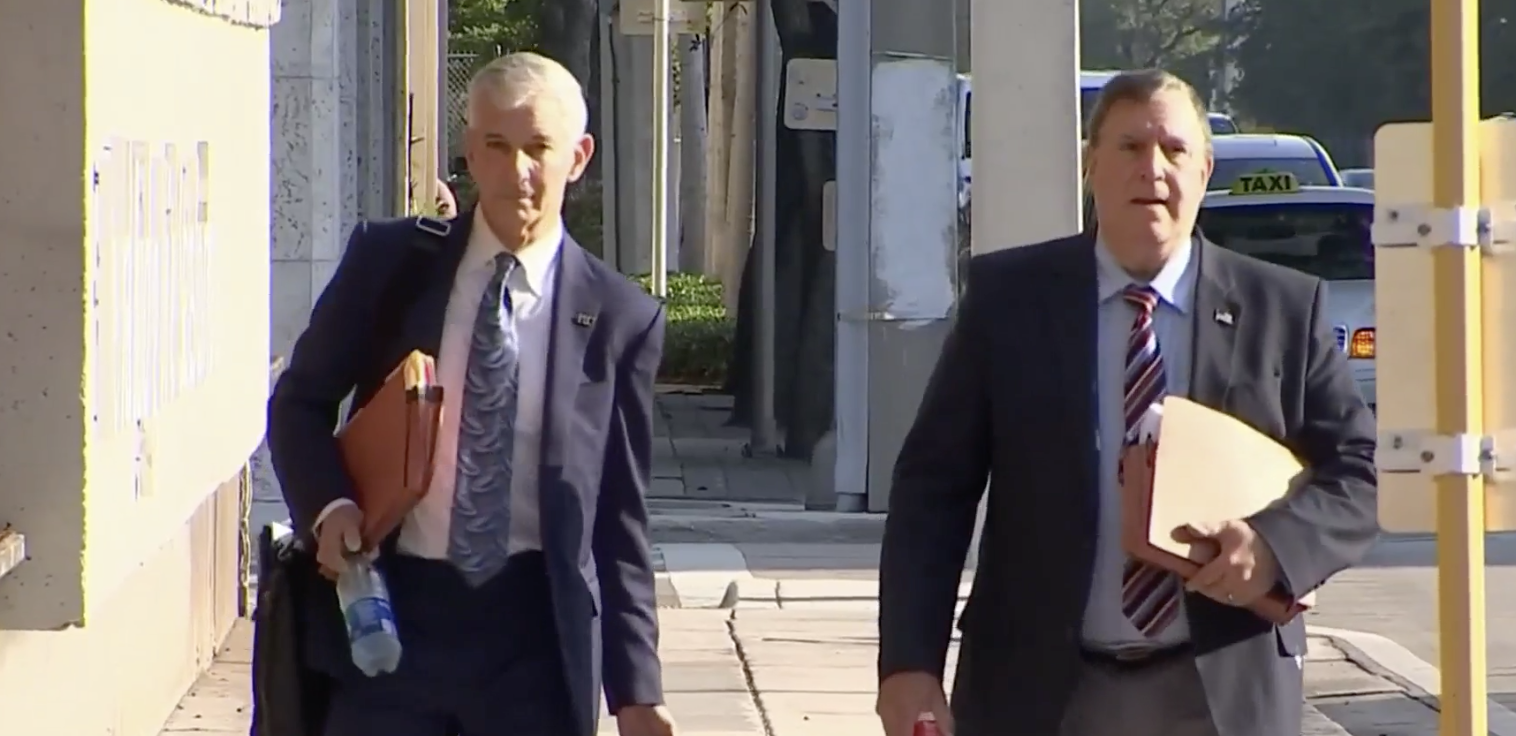 involving a juror. But the 11th Circuit already concluded the district court’s investigation was “as thorough as the situation require[d]” and found the alleged contact “non-prejudicial and harmless.”
And now he has lost at the Supreme Court.
For years, Carollo insisted that he would be vindicated. He wasn’t.
But while litigation may be over in court, it is not over for the city’s balance sheet.
Miami taxpayers have already spent more than $5 million on Carollo’s legal defense. During the original 50-plus day trial alone, nearly $2 million was racked up, according to WPLG Local 10, which first reported the higher court’s ruling Wednesday. The city’s insurer, QBE Specialty Insurance Company, is already in federal court fighting with the City of Miami over reimbursement for what it paid defending Carollo.
Commissioner Miguel Gabela has publicly questioned whether the city should try to recover that money. He has also asked City Attorney George Wysong several times at commission meetings exactly how much the city has paid in attorneys fees, but not gotten a firm answer.
Read related: How much longer will Miami taxpayers pay for Crazy Joe Carollo’s lawyers?
Meanwhile, Fuller (photographed here thinking about buying a yacht) and Pinilla are pushing forward. They’ve asked to lift stays in related proceedings. They are pursuing a separate federal lawsuit seeking an additional $2.4 million in alleged economic damages. And the judgment itself will now move toward 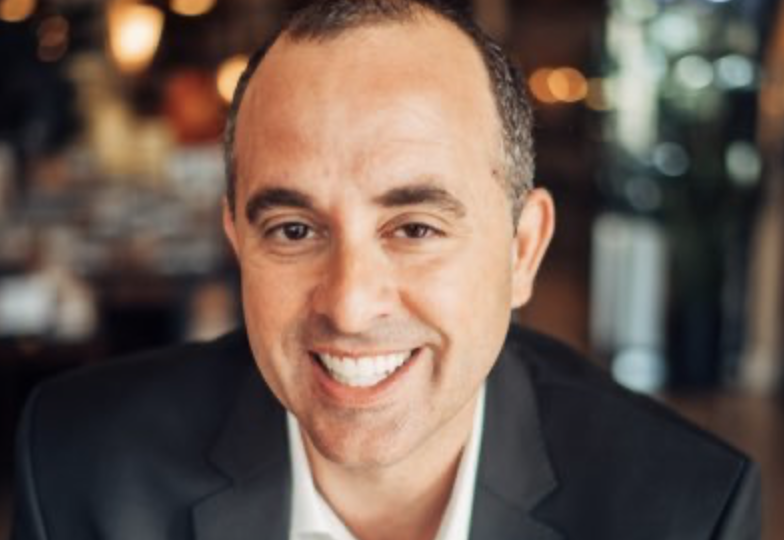 collection efforts against both Carollo and the insurers.
“For years, my clients — small business owners — endured retaliation, financial harm, and significant stress on their families for exercising their First Amendment rights,” attorney Jeff Gutchess said in a statement. “The courts made clear that such conduct is unconstitutional.
“It is unfortunate that the City of Miami chose to spend millions of taxpayer dollars defending this abuse rather than accepting responsibility,” Gutchess wrote, adding that the decision not to hear the case “reaffirms that constitutional protections apply to everyone, and that government retaliation has consequences.”
But there will be political residue. For years, this case hovered over Miami politics like humidity in August. It was about retaliation. It was about power. It was about whether city government can weaponize code enforcement and regulatory machinery against political enemies.
A federal jury answered that question. Yes, it can. And no, it cannot do so constitutionally.
The higher courts agreed.
So, the verdict stands. The appeals are exhausted. The liability fight shifts from “Did it happen?” to “Who pays?”
And for Miami taxpayers, that may be the most expensive question of all.
This kind of independent, government watchdog reporting is crucial to transparency and democracy. And more so every day. Help shine a light on the darker corners of our community with a contribution to Political Cortadito. Click here. Ladra thanks you for your support.

Supreme Court slams door on Joe Carollo’s appeal of $63.5 million verdict added by Ladra on
View all posts by Ladra →
