
Opinion By Deborah Stander
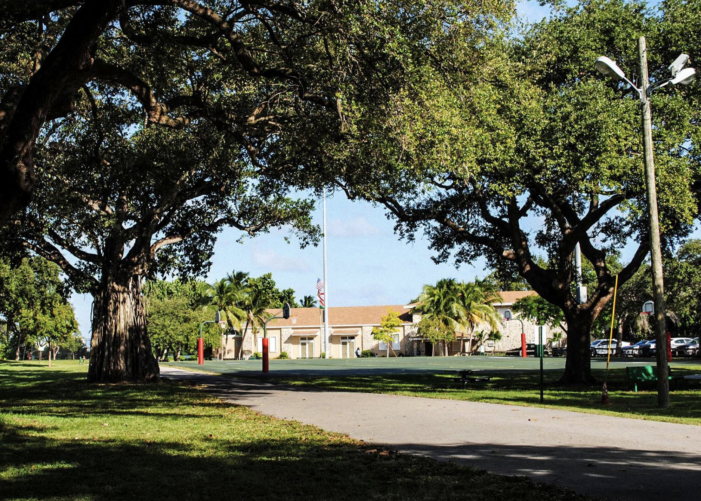
As the City of Miami Commission considers final approvals for the proposed Adela II/MiMo Bay development adjacent to Legion Park on the Upper Eastside, a broader, citywide question arises: Is Miami consistently securing fair and proportional value when granting zoning exceptions and conveying public assets?
This question stems from the upzoning, waivers, warrants, and exceptions that are making the Adela II/MiMo Bay project possible. Located at 6443 Biscayne Boulevard, surrounded by Upper Eastside historic districts, the project will be the largest mixed-use development on Biscayne Boulevard between NE 36th Street and NE 79th Street.
Upzoning approved in late 2024 by the City Commission, without public discussion of proffered public benefits, against the Planning Department’s recommendation and despite overwhelming community opposition, enabled an unprecedented increase in building density and commercial encroachment into Upper Eastside residential neighborhoods.
Read related: Damian Pardo passes double-density double-down for Miami developers
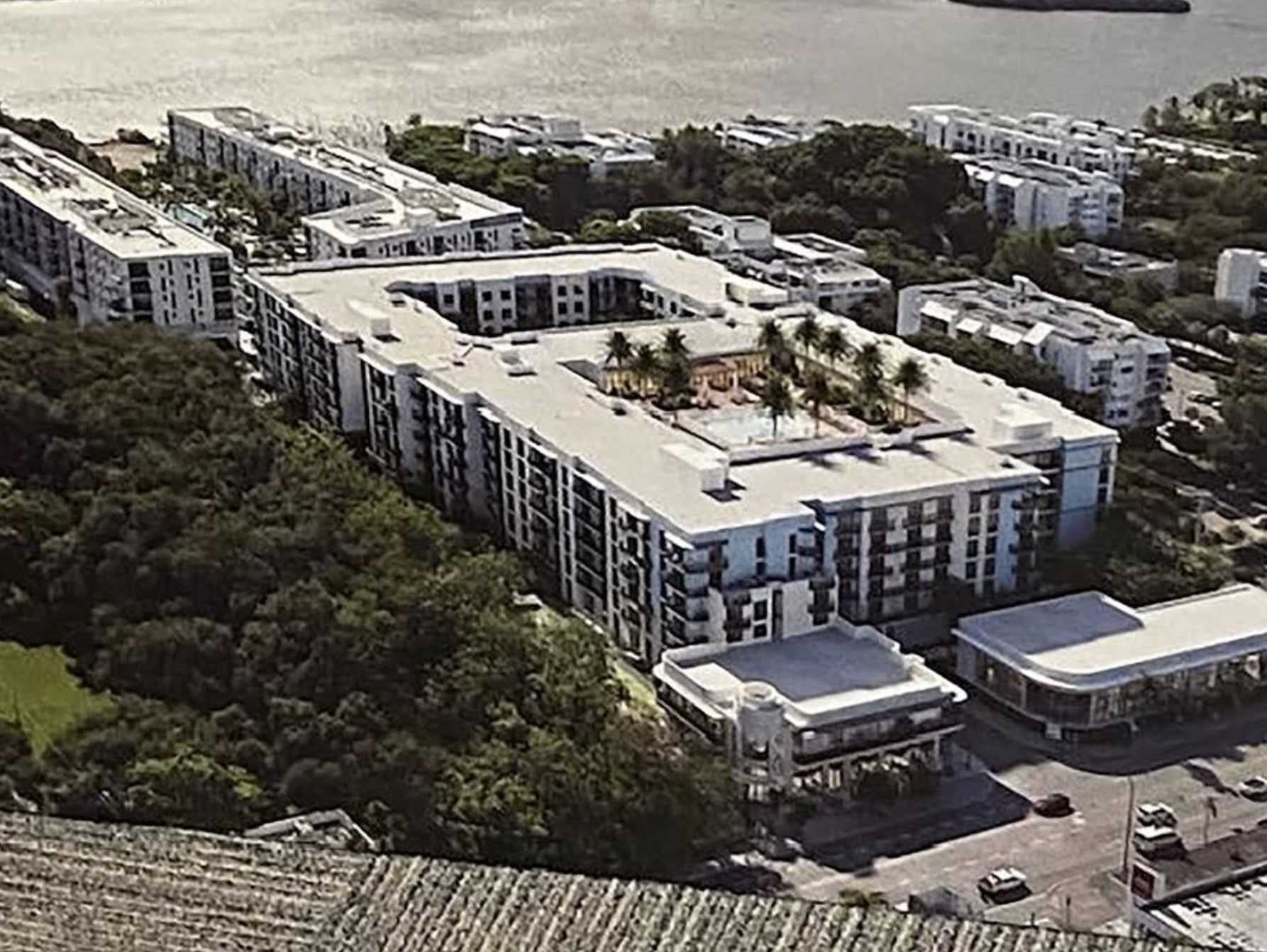
Among other still pending approvals, the project seeks to vacate a public street that provides access to historic Legion Park and the Upper Eastside Community Center. Given that the proposed building will rise up to six stories, vacating the street would convert 13,791 square feet of public right-of-way into a continuous multi-story building footprint that is three and a half times larger than would have been allowed under Miami 21 without an exception, vastly amplifying the project’s development potential and overall value.
In exchange, the developer is offering $1 million in cash contributions to the District 5 office, up to three hours of free parking in certain garage spaces, and 20 Affordable Housing units within a 337-unit building. This package was enhanced only after sustained neighborhood concern and public comment; the original offer approved by the City Commission without discussion
included a $500,000 cash contribution to the District 5 Office and paid public parking with revenues retained by the developer. Civic engagement is essential, but public assets should be carefully valued from the outset — not recalibrated only after controversy arises.
The Affordable Housing component warrants additional scrutiny. In 2017, shortly after acquiring the property, the developer demolished 17 modest 1940s and 1950s multifamily and duplex buildings that had long provided workforce housing in the neighborhood. While precise unit counts vary, those properties appear to have contained more than 60 naturally affordable units.
Replacing a substantially larger number of workforce units with 20 designated affordable units raises a straightforward question: what, then, is the net public housing benefit?
Read related: Miami approves TSND zones to bring ‘affordable’ housing to transit hubs
Other elements described as “public benefits” appear to reflect standard code requirements or features that primarily serve the project itself. A cross-block pedestrian passage, for example, is required because the building frontage exceeds 340 feet. Compliance with existing code provisions is not compensation for additional development rights. Similarly, a landscaped walkway along the park edge — built on private property and separated by fencing — may be publicly accessible, but it also improves access to the ground-floor commercial spaces. The structured parking described as public parking would likewise serve the commercial uses, particularly given the lack of on-street parking along that stretch of Biscayne Boulevard. Discretionary approvals or street  vacations create substantial economic value for the developer.
This is not an argument against development. Miami needs housing and investment. But it also needs transparent governance and negotiations that ensure the public receives value that is clear, measurable, and proportional to what is being granted.
The recent Watson Island debate showed that Miami residents care deeply about fiscal stewardship. That same standard should apply consistently, whether a project sits on public waterfront land or beside a historic neighborhood park and community center.
Read related: Parting gift: Miami commission pushes through Watson Island fire sale
Before final approvals are granted for Adela II, the Commission should ensure that the valuation of the street vacation, the upzoning, and related concessions is clear and aligned with the long-term public interest. Public assets are finite. Once conveyed, they cannot easily be reclaimed.
This is not about whether development should proceed — it is about whether Miami is negotiating in a way that fully protects its taxpayers and neighborhoods. That is a citywide governance issue worthy of careful consideration.
 Deborah Stander has been active in preservation of the Upper Eastside since 2014. She also served as past president of the MiMo Biscayne Association (when it was something) and has recently become an aviation historian in efforts, that succeeded, in designating part of Miami International Airport as the Pan Am Historic District.
If you want to submit an op-ed, contact edevalle@gmail.com.

Op-Ed on development: Who benefits when Miami conveys public city assets? added by Ladra on
View all posts by Ladra →
