

… and everyone pretends it’s business as usual
There’s development. And then there’s development that requires a public street to disappear.
On Thursday, the Miami City Commission will consider giving a public street to the developers of the Adela II at MiMo Bay project at 6443 Biscayne Boulevard — a project that has already received upzoning from T5-R to T6-8 and now seeks to vacate a public right-of-way that has existed since the 1920s.
That “not very busy” road they want to absorb? It’s an access street to the 48-acre waterfront and historic Legion Park and the Upper Eastside Community Center. Developers say it’s barely used. Apparently, because a park road isn’t clogged with rush hour 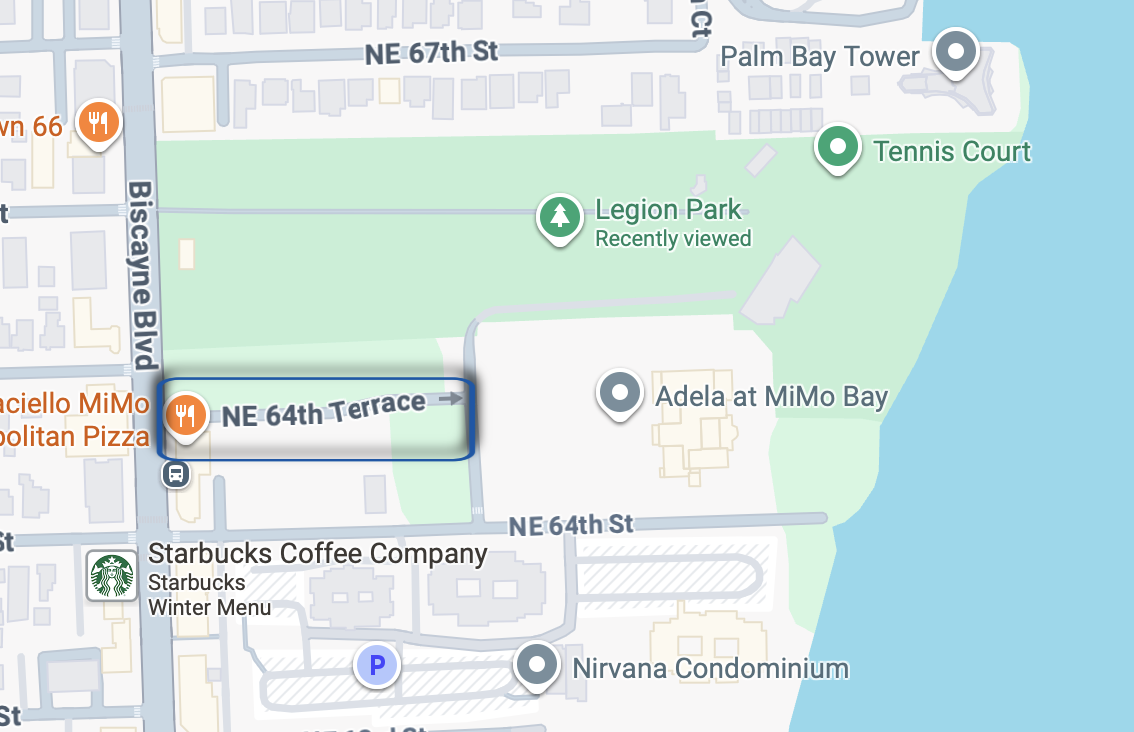 traffic, it’s fair game.
Helloooooo. Since when does a park access road need to compete with I-95 to justify existing? Maybe when he developer is represented by Melissa Tapanes — which is not a minor detail.
Tapanes is not just another zoning attorney. She is a former Miami City Attorney’s Office insider who knows Miami 21, waivers, warrants, and street vacations like most of us know our coffee order. She sits on the board of the Downtown Development Authority, but some might say she runs the place. When she walks into City Hall, she’s not asking where the conference room is.
She is the conference room.
Read related: Naughty or nice? Ladra has her own list of our local good kids and bad ones
Which is why the optics here matter. Because when a major mixed-use project gets upzoned against Planning Department recommendation, secures exceptions despite overwhelming community opposition, seeks to vacate a public street for a larger building footprint, enhances its “public benefits” package only after backlash, well, it doesn’t feel accidental. It feels negotiated.
Let’s talk about Commissioner Christine King and what’s become known as the “town hall reversal.” Residents say they were 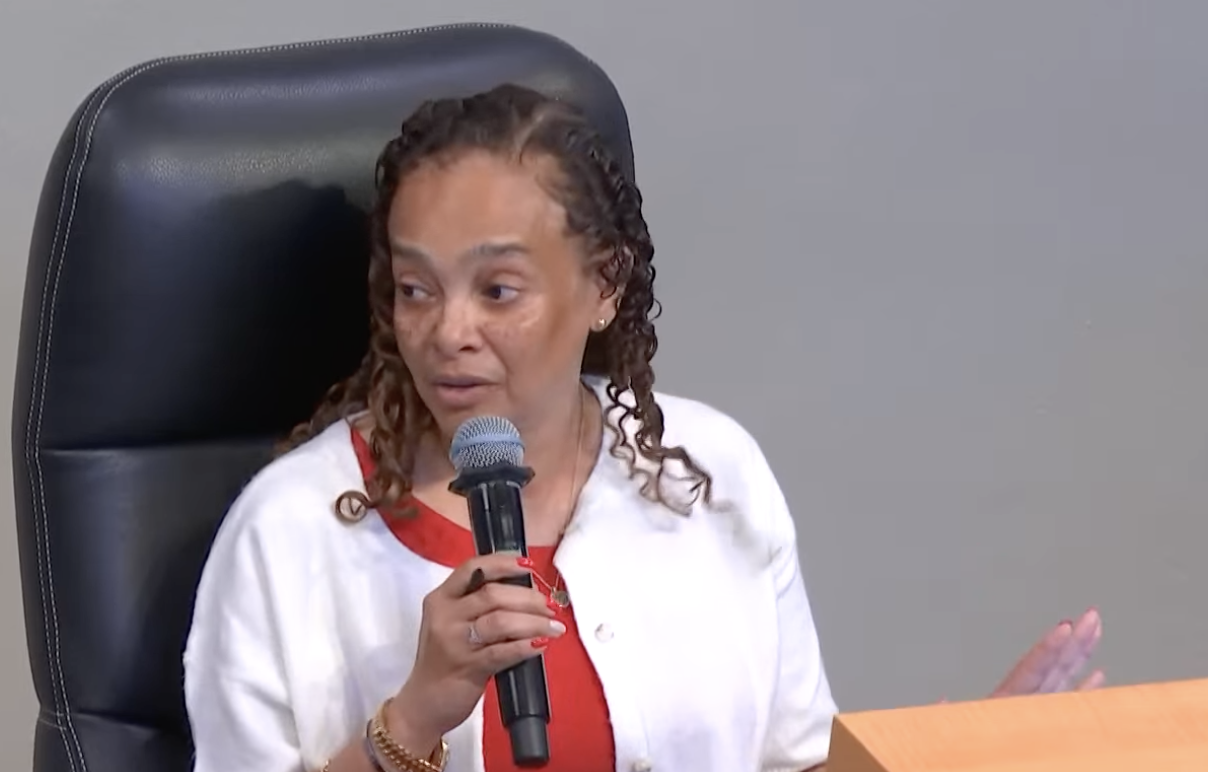 previously assured she would not support vacating the street. Then the item appeared on the January agenda.
At a January 28 Town Hall — convened after activists spotted the street closure moving forward — King initially deferred it. But at the meeting, she reversed her earlier position, saying she had been “misinformed.”
Misinformed by whom?
At the town hall, neighborhood activist Elvis Cruz asked for a show of hands of those in favor of keeping the street open, or closing it. Nearly all 50 attendees wanted to keep the street open. Only four hands went up to close it.
“This project has gotten too many special permissions from the City – an up-zoning, warrants for commercial parking, an exception for a lot size that’s more than 3.5 times the maximum allowed, and now they’ll be getting a street closure,” Cruz said. “This is exactly the sort of big box apartment building the city told us Miami 21 would prevent.
“It would be so nice if the City of Miami valued protecting neighborhood character and scale more than enabling developer profits.”
Yeah, dream on.
Because about a week after the town hall, the developer sweetened the offer with three hours of free parking in certain garages, which nearby business already provide, and an additional $500,000 — on top of half a million 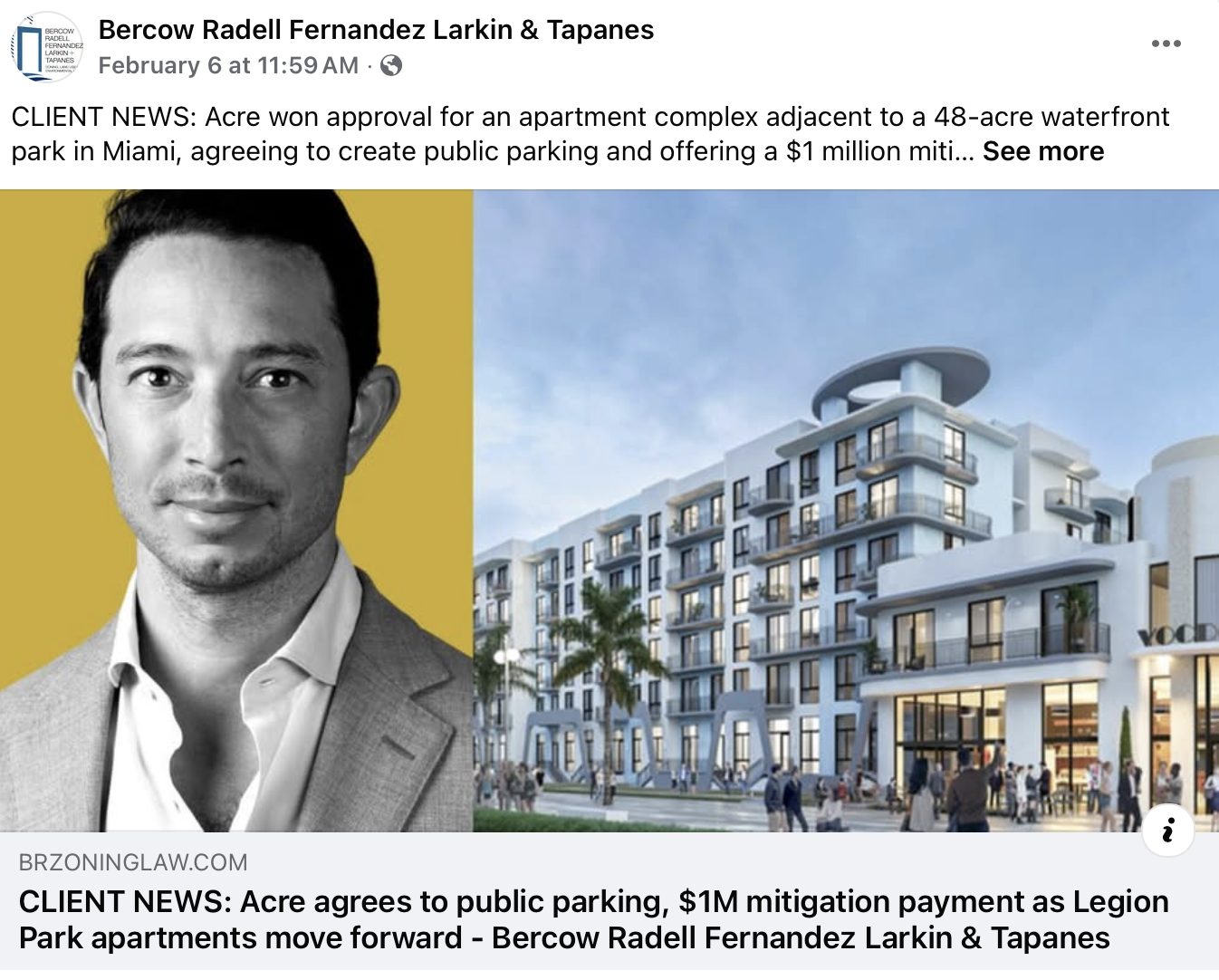 already — paid to the District 5 office directly. How is that not a bribe?
Bercow Radell Fernandez Larkin & Tapanes, in the firm’s own blog and Facebook post, called it “a $1 million mitigation payment to the office of a Miami City Commission member.”
But sure. Add it to the “public benefits” column. And let’s talk about those “benefits.”
As Upper East Side resident Deborah Stander writes in her accompanying op-ed (and thank you for bringing it to Ladra’s attention), public assets should be “carefully valued from the outset — not recalibrated only after controversy arises.”
The current offer includes:
- $1 million in cash contributions to District 5
- 20 affordable housing units in a 337-unit building, a measly 5%
- Free parking hours
- A cross-block pedestrian passage (which is required by Miami 21 anyway because the frontage exceeds 340 feet)
- Structured parking that conveniently serves the project’s own commercial uses
And let’s not forget: In 2017, the developer demolished 17 modest 1940s and 1950s multifamily and duplex buildings on the site — structures that appear to have contained more than 60 naturally affordable units. And now we’re calling 20 designated affordable units a public housing benefit?
That’s not addition. That’s subtraction with branding.
Read related: Miami commission pushes climate fix by doubling development density
But, actually, this is about multiplication. Vacating the 13,791-square-foot public right-of-way would allow the building footprint 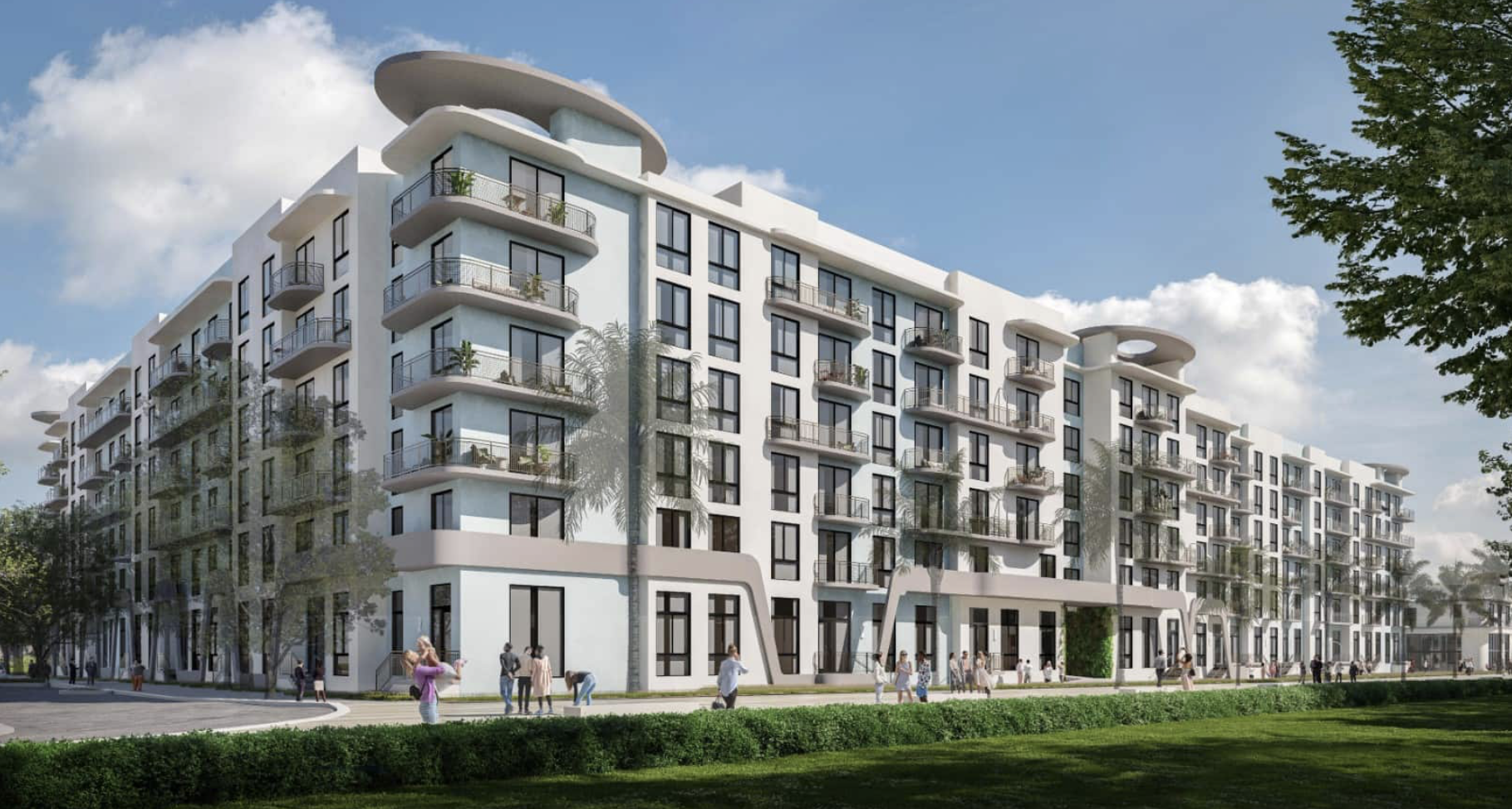 to become a continuous multi-story mass — reportedly three and a half times larger than what Miami 21 would have permitted without the exception. It’s going to be a six story building with a 502-space parking garage and roof deck pool.
Street vacations are not symbolic gestures. They create value. Substantial value.
So the obvious questions — the ones no one at City Hall seems eager to publicly answer — are these: How was the value of that public land calculated? What is the economic lift created by the upzoning from T5-R to T6-8? And is $1 million to a district office truly proportional to the development rights being conveyed? What will the oversight of those funds be like? Because if one more penny goes to the Martin Luther King Development Corp someone is going to have to call the Inspector General.
Read related: Christine King to give half million of Miami public $$$ to her old non-profit
The application hasn’t gathered the amount of outrage that the Watson Island giveaway did. Stander thinks there are different standards applied to waterfront and park front property. But public land is public land. And once it’s conveyed, it doesn’t come back.
This is not anti-development. Miami needs housing. Miami needs investment.
But Miami also needs commissioners who don’t shift positions mid-process without a clear public explanation. And it needs negotiations that happen in daylight — not in incremental enhancements after town hall blowback.
When the upzoning passes against staff recommendation, when a street vacation reappears after assurances it wouldn’t, when the questionable “public benefits” increase only after controversy — and include a cool million to the district commissioner (will that become a trend?) — and when the deal is shepherded by one of the most plugged-in land use attorneys in Miami, people are going to ask questions.
Not because they hate development. Because they understand leverage.
And in Miami, leverage rarely disappears. It just changes hands.
The city commission meeting starts at 9 a.m. Thursday and can be watched online at the city’s website or on their YouTube channel. You can see the full agenda is here.
This kind of independent, government watchdog reporting is crucial to transparency and democracy. And more so every day. Help shine a light on the darker corners of our community with a contribution to Political Cortadito. Click here. Ladra thanks you for your support.

Access road to Miami’s Legion Park could become private garage entrance added by Ladra on
View all posts by Ladra →
