
Water, water everywhere — except not really
Miami-Dade Mayor Daniella Levine Cava took to video last week with a message that sounded less like routine government housekeeping and more like a gentle but unmistakable warning shot: We have a water problem.
A “water shortage warning“ is in effect.
Not a watch. Not a suggestion. A warning.
And while there are no mandatory restrictions yet, the mayor — self-styled “Water Warrior” — is asking residents to “voluntarily reduce non essential water use to protect the longterm sustainability of the water supply.”
Longterm sustainability? That’s not language you use when everything is fine.
“Because of ongoing dry conditions the South Florida Water Management District has issued a water shortage warning for our 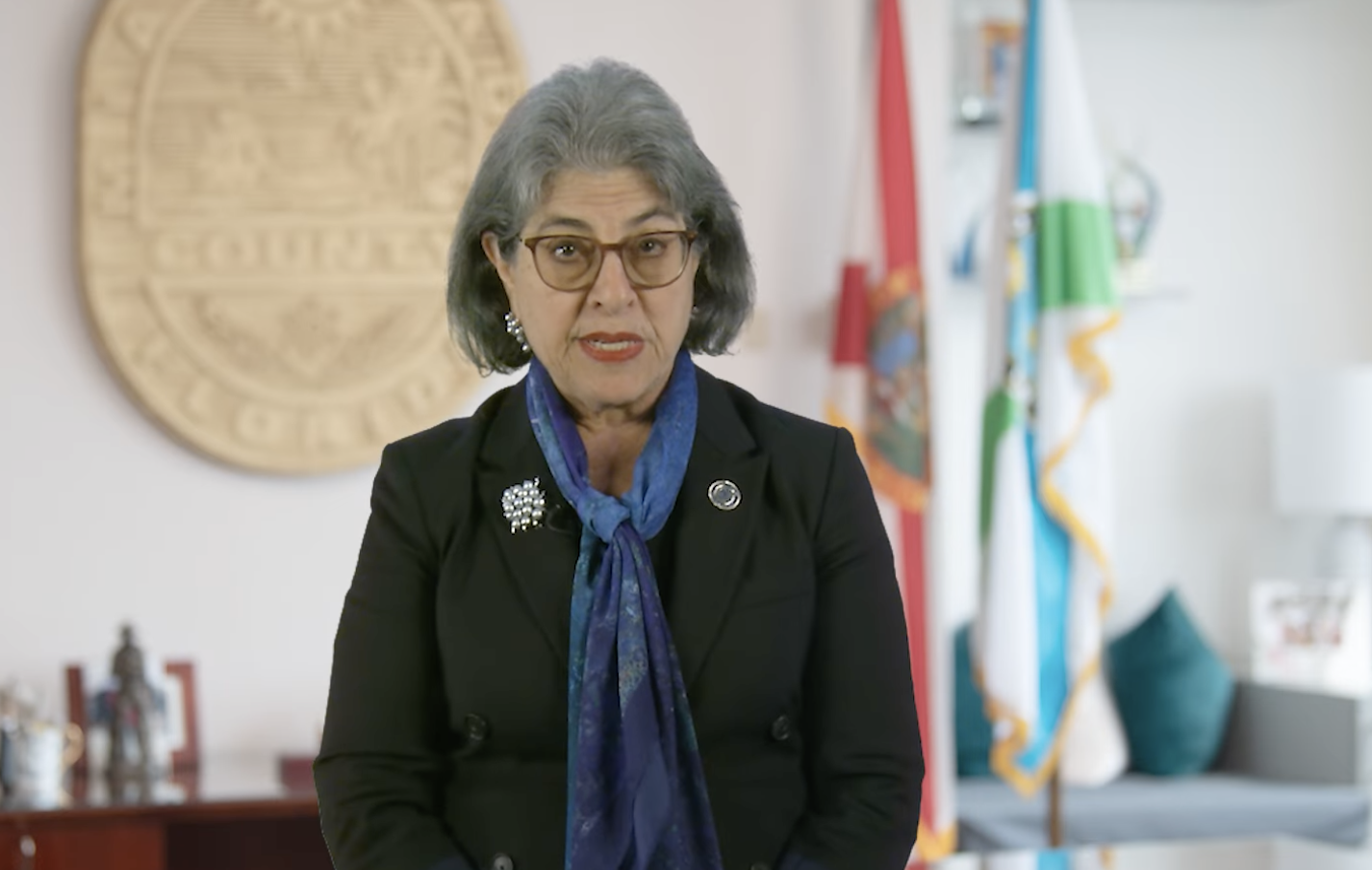 region,” La Alcaldesa said in a 72-second video that can be seen on YouTube. “While this does not impose mandatory restrictions at this time, the district has cautioned that more measures could be taken if drought conditions worsen.”
Our drinking water comes from the Biscayne Aquifer, that shallow, porous limestone sponge under our feet that has always made South Florida feel immune to the kinds of shortages that plague the West. Levine Cava said it’s “a precious and limited resource that supports our families our neighborhoods and our local economy.”
But the aquifer doesn’t refill on vibes and optimism. It refills on rain. And we haven’t had enough of it lately.
Dry season has dragged on. Usage is up. Water levels are down. And when levels drop too low, something else creeps in: saltwater. Once saltwater intrudes, you don’t just turn a knob and fix it. It’s expensive. It’s complicated. And it can take years to reverse.
Read related: Mayor Daniella Levine Cava’s State of the County Address was high on hope
So yes — “longterm sustainability” is code for: Let’s not wait until this gets ugly. Right now, the county is asking nicely. No fines. No irrigation police. No citations for washing your SUV like it’s auditioning for a car commercial.
But let’s not kid ourselves. Voluntary conservation is the polite prelude to mandatory restrictions if people ignore the memo.
And Miami is very good at ignoring memos.
Here’s a radical idea: If you don’t need the water, don’t use it.
That includes:
- Watering your lawn every day so it looks like a golf course in Coral Gables. Grass can survive a little stress. So can you.
- Letting sprinklers run in the middle of a rain shower. (Yes, we all see it.)
 Power-washing sidewalks weekly because a leaf fell.
- Hosing down driveways instead of sweeping them.
- Washing cars and boats obsessively — especially when they’ll be dirty again in 48 hours.
- Letting the faucet run while brushing teeth, shaving, or doing dishes.
- Taking 20-minute showers because you brought your phone in with you.
- “Pre-rinsing” dishes like you’re in a detergent commercial.
- Running half-empty laundry loads.
- Ignoring that slow toilet leak that quietly wastes hundreds of gallons a week.
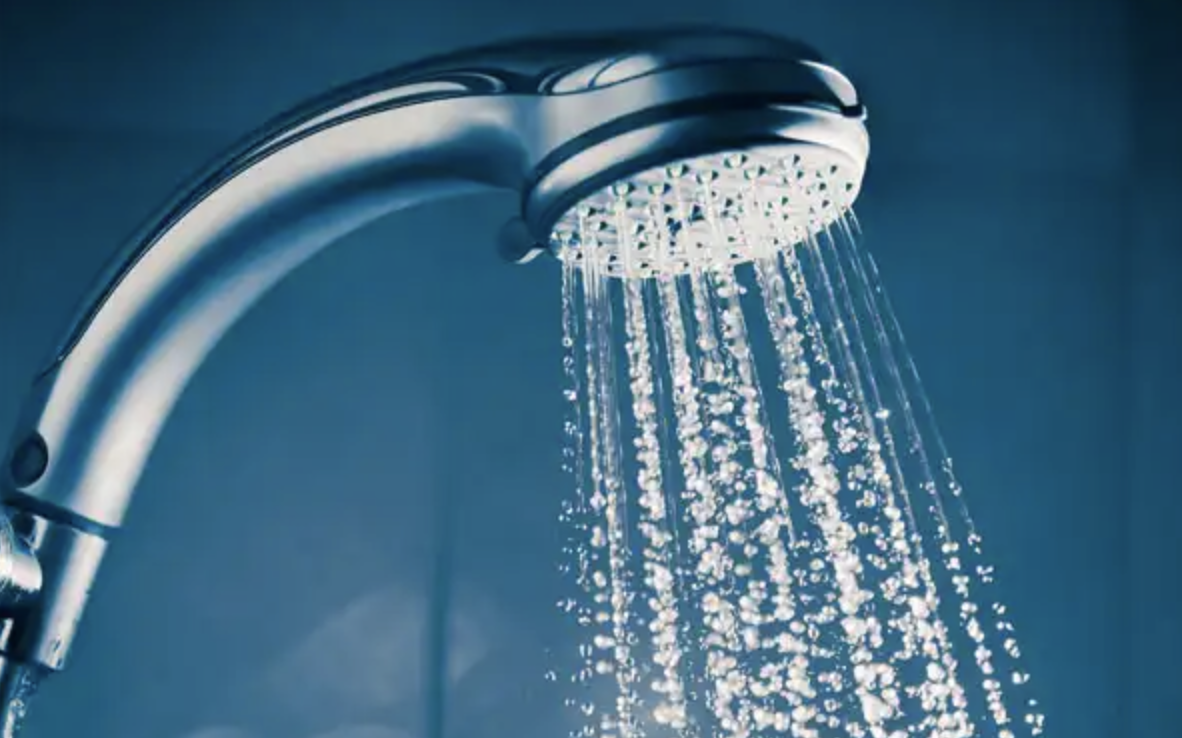
And yes — shampoo less. Your hair will survive. And maybe bathe at lunchtime? The county says that peak water usage times are usually in the early morning and evening, which causes the most strain to the water treatment plants.
“This is an important moment for all of us to be mindful in how we use water,” Levine Cava said.
We live in a subtropical paradise, and that’s part of the challenge. Water in Miami doesn’t feel scarce. Turn the tap and it flows. No brownouts. No visible reservoirs shrinking before your eyes.
Scarcity here is invisible — underground. And because it’s invisible, it’s easy to pretend it’s not urgent.
Until it is.
And maybe it’s time to reel the development in. We keep building more units with more faucets for more users. That’s only going to exacerbate the problem. Perhaps La Alcaldesa can give the warning to local electeds to stop approving so many high-rises.
Read related: Daniella Levine Cava vetoes approval of Kelly Tractor complex across UDB
To be clear: your tap isn’t about to run dry tomorrow. It’s not time to panic — yet.
But when the mayor starts talking about “longterm stability,” she’s looking beyond next week’s weather forecast. She’s looking at 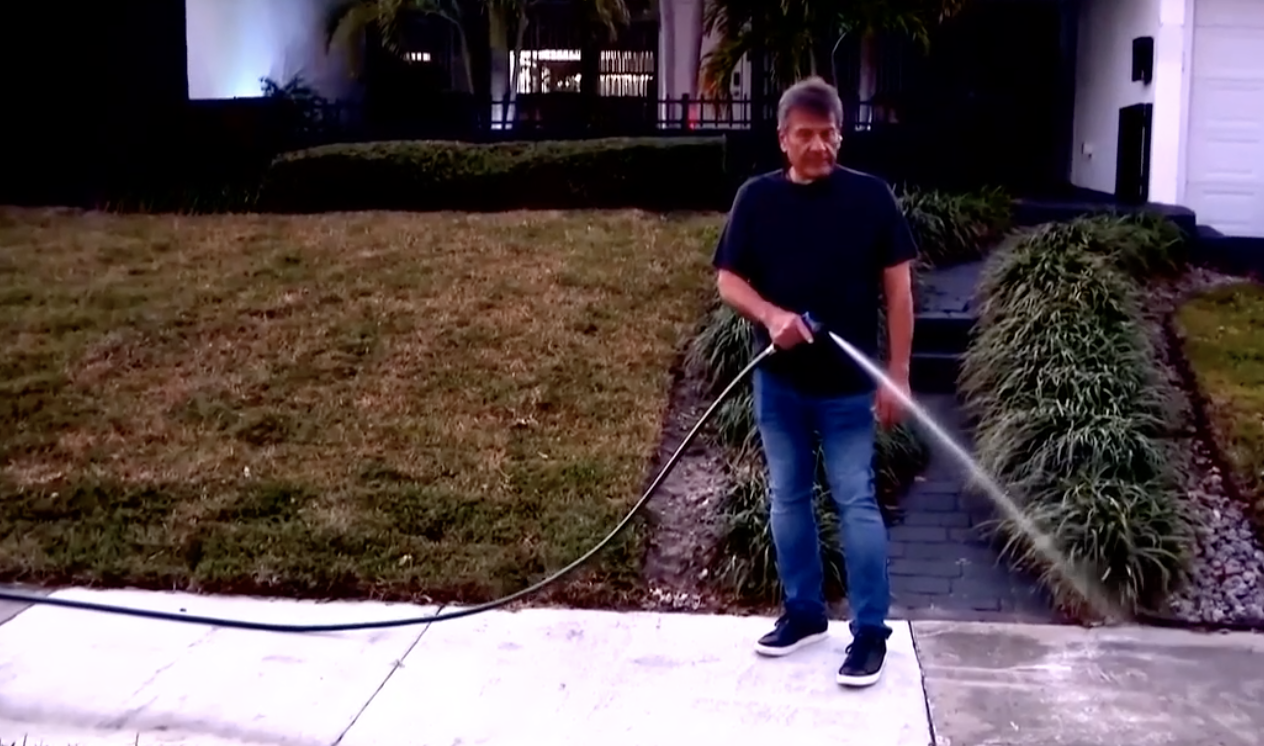 population growth, development, climate patterns, and saltwater intrusion — the slow-burn issues that don’t trend on social media until they explode.
Miami-Dade has millions of residents. If every household trimmed even a modest amount of unnecessary use, the cumulative impact would be massive.
Small habits. Big consequences.
This is one of those moments that quietly tests a community.
Do we wait for mandates? Or do we act like grownups before we’re told?
Because if voluntary conservation fails, the next announcement won’t be a friendly video message. It will be restrictions.
And possibly penalties.
Water is life. It’s also infrastructure, economics, public health, and political accountability wrapped into one clear, odorless stream.
So yes, this is serious. Not apocalyptic. Not alarmist. But serious.
Turn the faucet off. Cut the shower short. Let the lawn go a little beige.
The aquifer is counting on it.
This kind of independent, government watchdog reporting is crucial to transparency and democracy. And more so every day. Help shine a light on the darker corners of our community with a contribution to Political Cortadito. Click here. Ladra thanks you for your support.

Florida, Miami-Dade mayor warn about water shortage, possible restrictions added by Ladra on
View all posts by Ladra →
