

Ever wondered why some Miami city commissioners seem unusually polished — press releases at the ready, social media humming, messaging tighter than a campaign ad? Well, the taxpayers are paying for it.
Public records show that Miami Commissioner Miguel Gabela has spent nearly $249,000 in taxpayer funds over the past several months on an outside communications vendor called Atlantis Solutions, as first published in The Floridian by Javier Manjarres. The firm — so low-profile it barely appears to exist beyond corporate filings and an apartment address at 2222 NE Second Ave. — is owned by Gaston Rico and Eva Manusia, who both worked at Disney before branching out on their own.
There is no website. No visible client list. No clear public track record.
Just invoices.
The payments, described broadly as “expert services in the communications field,” fluctuate month to month and appear ongoing. What exactly taxpayers are getting for roughly a quarter-million dollars is harder to pin down. The records do not spell out deliverables, benchmarks, strategy, media placements, crisis management — nothing that would help residents understand what their money is buying.
And the obvious question is: Why does a city commissioner need a publicly funded PR machine at all?
Read related: Miguel Gabela wants to stop paying Miami commissioners’ legal fees
Commissioners are not running multinational corporations. They are elected to legislate, oversee budgets, and respond to 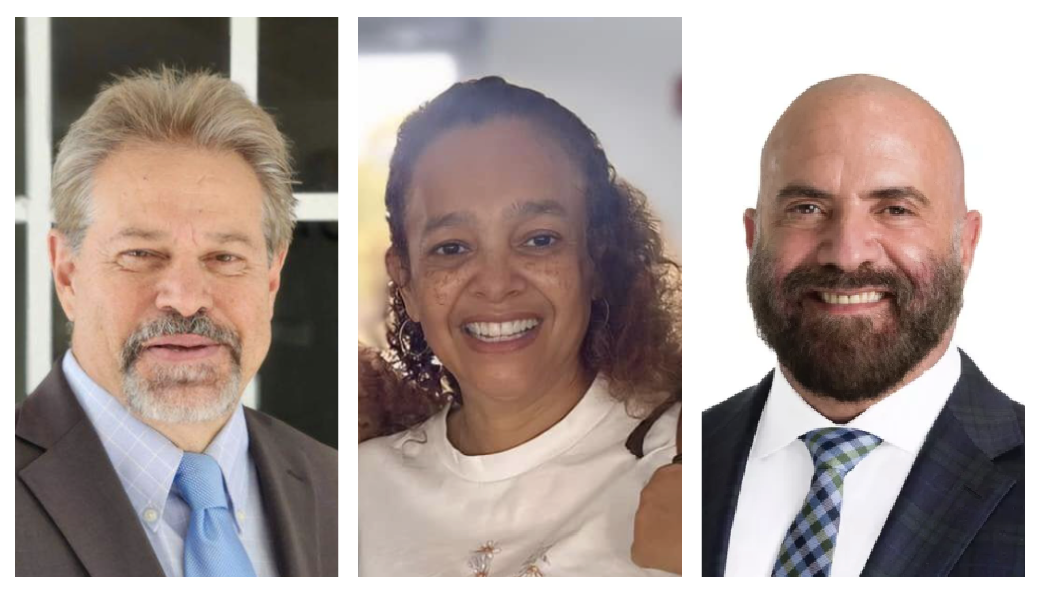 constituents — all functions traditionally handled by in-house city staff already on the payroll.
Yet Gabela is hardly alone.
At least two others — Chairwoman Christine King and Commissioner Damian Pardo — are currently paying outside communications professionals with taxpayer dollars. King has Jessica Wade Pfeffer of JWI PR and Pardo has Diana Delgado, of Delgado Garcia Communications. Delgado is the media contact on all Pardo’s press releases.
Delgado, who told Ladra she has other clients, said that she makes $60,000 a year working with the District 2 commissioner. Mostly writing press releases, supporting the social media and screening interview requests. Which she does a lot.
“Because of the nature of the District 2 office, he gets a lot of media requests,” Delgdo said of Pardo

Public records requested by and provided to Ladra show that Pfeffer’s firm was paid $154,937 between January of 2022 — two months after King was elected to the District 5 seat — and May of 2025. Mostly in monthly retainer checks of $3,750, with zero details on the invoices, but there are a few extra checks of $4,000 here and there. Crunch time, you know?
JWI PR lists a bunch of other clients on its website, including the Miami Music Festival, the Miami Film Festival and Andrea Bocceli. But not the District 1 commissioner.
Now, let’s be fair. Communications matter in government. Residents should know what their elected officials are doing, what resources are available and what programs there are in their neighborhoods. But there is a difference between informing the public and polishing a personal brand.
And that line gets especially blurry when the consultants are funded by the very people being marketed to.
Read related: Miami Commissioner Damian Pardo loses support, inspires recall threats
Gabela defends his PR team. He says they work very hard, sometimes 10 hours a day, to follow him around and create videos and post photos on social media, like when he delivers food to needy families in his district. He says that “if you do the math” a contractor is less costly to the city than a municipal employee because in addition to a salary, there would be benefits. “Maybe you have to give them a car,” Gabela told Political Cortadito in a telephone interview that was recorded because he doesn’t trust the media.
“All the commissioners have a communications person,” Gabela said. But Commissioner Rolando Escalona has one in-house communications person. Ralph Rosado did not return several calls and texts.
“It’s cheaper to do a contractor,” Gabela said, adding that Atlantis Solutions gets $11,500 a month — up from $8,500 or $9,500 the first year. Because they’ve done a good job. “I have the right to get the best service,” he said, adding that the whole thing has 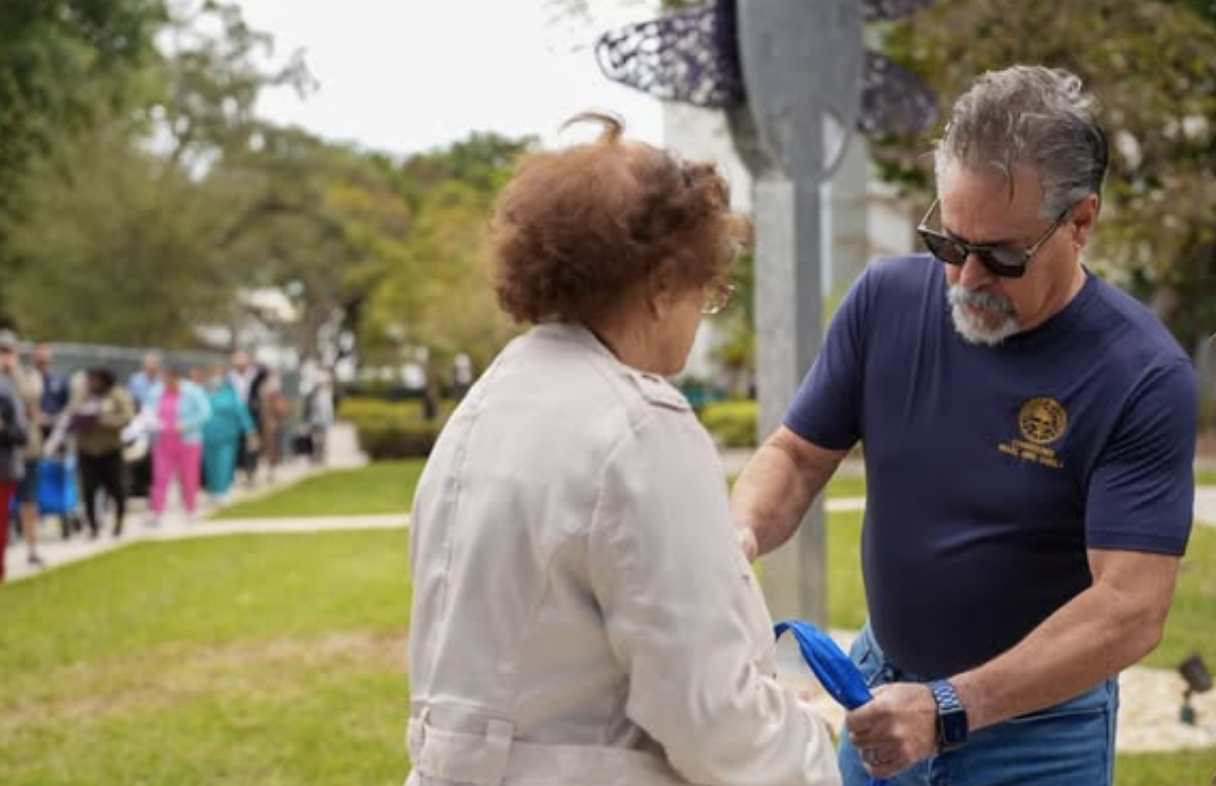 come up because an angry political consultant is trying to smear him.
But the Atlantis Solutions contract raises questions that should make any municipal watchdog twitch. How was the firm selected? Was it a competitive process? Where are the qualifications and scope of work? Who is measuring the performance? How did a relatively unknown vendor land what amounts to a six-figure public relationship?
And, perhaps most importantly, would taxpayers notice if the contract quietly disappeared tomorrow?
This isn’t just about one commissioner or one contract. It points to a growing culture at City Hall where elected officials behave less like public servants and more like permanent candidates.
Because let’s say the quiet part out loud: PR is rarely about governance. It’s about optics. Visibility. Narrative control. Crisis management. Political insulation. Future campaigns.
And in Miami — where political ambition is practically a contact sport — that matters.
What also matters is timing. Several commissioners are still early in their terms, meaning taxpayers could be footing these bills for years. Multiply six-figure communications contracts across multiple offices, and suddenly you’re talking about real money — the kind residents might prefer to see spent on potholes filled, parks cleaned, or police response times shortened.
None of this is illegal, of course. But is it responsible? That depends on how comfortable Miami residents are with subsidizing what looks suspiciously like incumbent protection.
City Hall has long struggled with public trust. Spending hundreds of thousands on image management instead of transparency is unlikely to help.
And here’s the political irony Ladra can’t ignore: If commissioners are doing such a great job, why do they need professional hype?
If you want more independent, watchdog reporting of county government and local elections, help Ladra with a contribution to Political Cortadito. Click here. Thank you for your support.

Miami electeds spend hundreds of thousands to polish their profiles added by Ladra on
View all posts by Ladra →
