
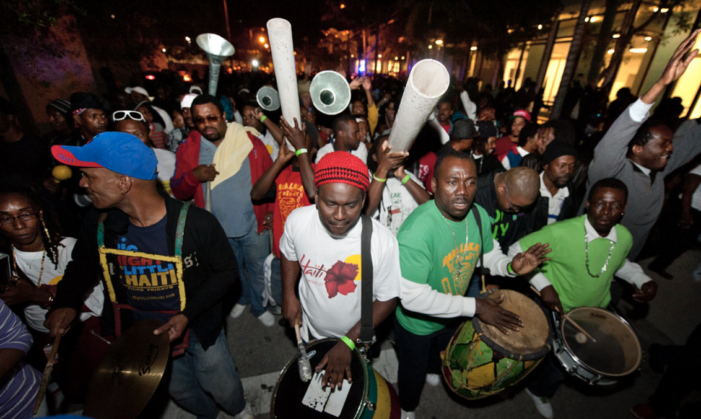
Haitians in the United States under Temporary Protected Status — including 90,000 to 100,000 right here in South Florida, the largest population of Haitians in the country — got an 11th hour reprieve late Monday when a federal judge blocked the Trump administration from canceling their TPS with just over 24 hours to spare.
It’s a ruling that doesn’t fix everything, but it does something critically important: it stops the clock.
Judge Ana C. Reyes of the federal district court in Washington issued a temporary order keeping TPS in place while a lawsuit challenging its termination plays out. The Department of Homeland Security had planned to yank protections as soon as Tuesday a move that would have stripped legal status and work authorization from hundreds of thousands of people who are already here — legally — working, paying taxes, raising kids, and holding together entire sectors of Florida’s economy.
There are 158,000 Haitian TPS holders in the Sunshine State.
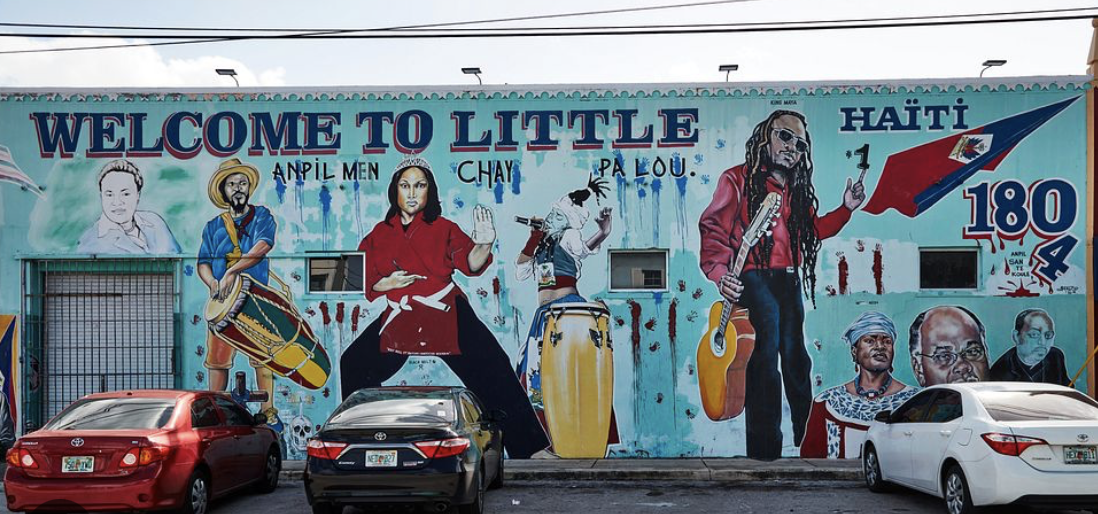 In an 83-page ruling that did not mince words, Reyes found that Homeland Security Secretary Kristi Noem lacked the authority to end Haiti’s TPS designation and had failed to engage in anything resembling serious analysis. The administration’s reasoning, the judge wrote, focused on Haitians outside the country or here unlawfully — while conveniently ignoring TPS holders who are already in the U.S. with permission.
Even more damning: the decision ignored the billions of dollars Haitian TPS holders contribute to the economy.
That omission mattered. A lot.
Read related: Video blasts U.S. Rep. Carlos Gimenez for silence on ending TPS, deportations
Reyes also found that the termination appeared driven by a “preordained outcome,” propped up by thin, pretextual arguments — and yes, she said the record supports a conclusion that racial animus toward Haiti, a majority-Black country, played a role. No, not the fact that Trump called it a filthy country or the fact that he said Haitians in Springfield ate people’s cats and dogs.
“Even if the Court ignored President Trump’s statements altogether,” Reyes wrote, “Secretary Noem’s expressed animus towards nonwhite foreigners would support a stay.”
That’s not subtle.
Her opinion contrasts the administration’s claim that conditions in Haiti were merely “concerning” with what the evidence actually shows: a country in free fall, wracked by gang violence, political collapse, food shortages, and a humanitarian crisis so severe the U.S. State Department advises Americans not to travel there at all.
TPS was first granted to Haitians after the devastating 2010 earthquake and extended repeatedly — including by the Biden administration in 2021 after the assassination of Haiti’s last elected president. TPS holders do not get green cards. They do not get citizenship. They get permission to stay put — temporarily — because sending them back would be dangerous and inhumane.
The Trump administration has been arguing that repeated extensions turn “temporary” into permanent. The courts, increasingly, are not buying it.
This ruling follows similar decisions blocking TPS terminations for Venezuelans, Hondurans, Nicaraguans, Nepalese, South Sudanese, and others — part of a broader effort by the administration to dismantle protections for nearly a million people from nine countries. The government has already signaled it will appeal, likely all the way to the Supreme Court, meaning Haitians 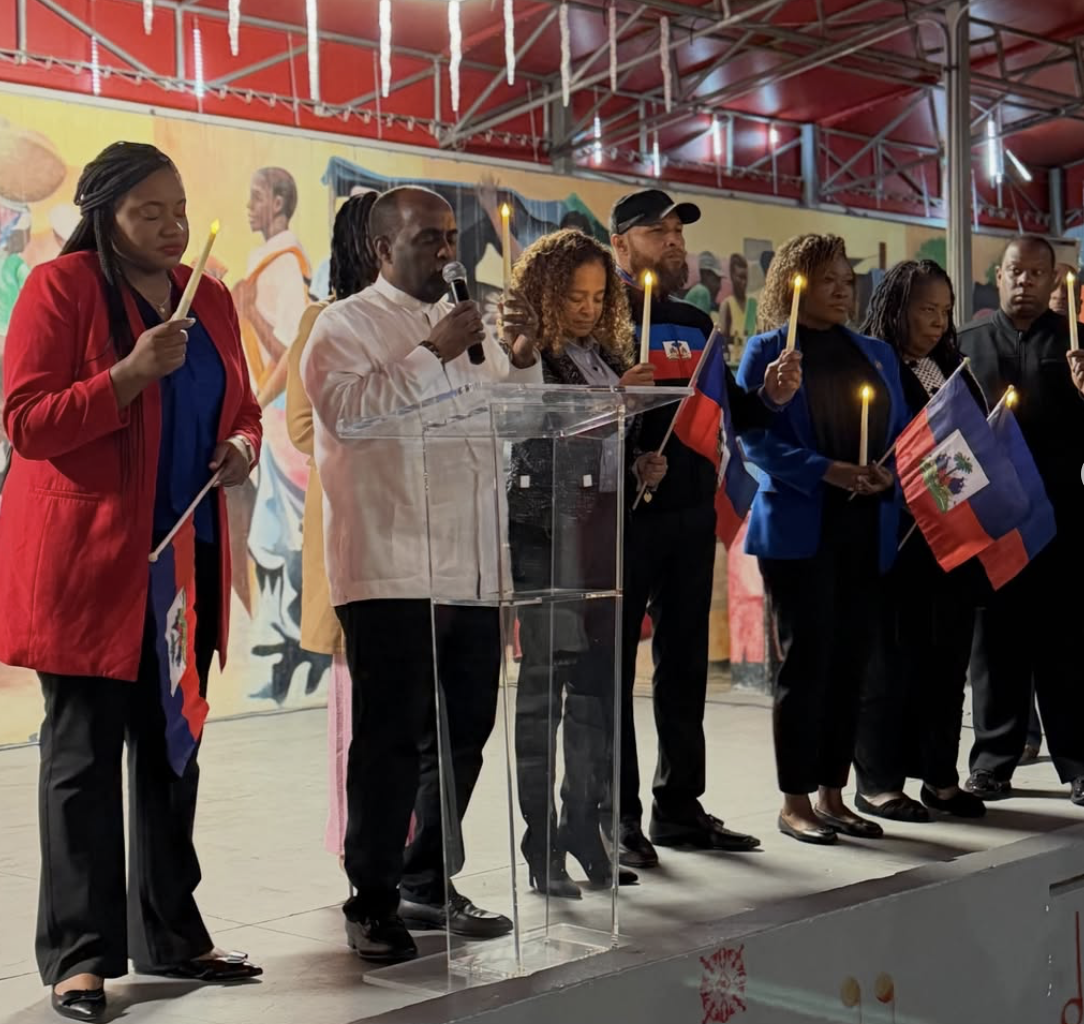 remain in limbo.
That’s why there was a vigil in North Miami Tuesday night to bring together community members, faith leaders, and elected officials in solidarity and prayer for individuals and families who continue to face anxiety and hardship as the TPS decisions evolve.
“Sending our friends, family, and neighbors back to a country that is in a severe, long-term state of political unrest and with a deepening, multidimensional security crisis is a death sentence,” said Miami Commission Chairwoman Christine King. “Those protected under TPS are law-abiding citizens, not criminals. Compassion is not partisan.”
Said North Miami Vice Mayor Kassandra Timothe: “TPS is not just a policy issue, it is a human issue. This vigil is about standing together as a community, lifting our voices in prayer, and affirming that our immigrant families deserve dignity, compassion, and stability. We want people to know they are seen, supported, and not alone.”
Read related: Donald Trump’s Thanksgiving social screed serves hate instead of turkey
But, for now at least, there is relief. Real relief.
Florida Immigrant Coalition Executive Director Tessa Petit, herself Haitian, called Monday’s ruling a “critical victory” for families, 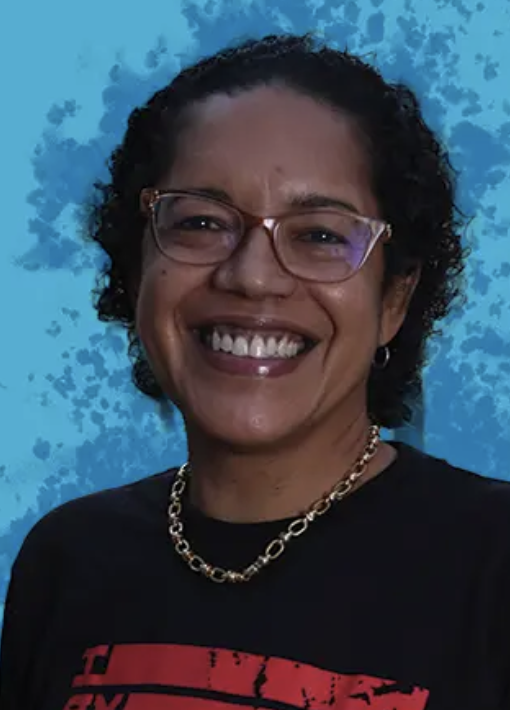 workers, and communities — especially in Florida, where Haitian TPS holders are essential to health care, service industries, manufacturing, and caregiving.
“This decision provides immediate relief from the fear of family separation, job loss, and forced return to life-threatening conditions in Haiti,” Petit said. “No one should be deported into crisis.”
She also pointed out the obvious economic reality Tallahassee and Washington prefer not to discuss: pulling work authorization from hundreds of thousands of Haitians would destabilize businesses, deepen labor shortages, and blow holes in local economies overnight. The judge, notably, agreed.
Petit also thanked Rep. Maria Elvira Salazar for being the first Republican lawmaker to sign a discharge petition to extend TPS for Haitian nationals — a detail that will surely feature prominently in upcoming statements and her campaign for re-election this year. Is Salazar waking up from her coma?
Read related: Maria Elvira Salazar’s immigration epiphany: Is it just late or performative?
Now comes the local political phase of this story, where every Haitian-American elected official within a 50-mile radius will issue a statement expressing relief, solidarity, and deep concern — many of them after weeks of silence while the threat loomed. Expect press releases. Expect vigils. Expect carefully worded praise for the courts and conspicuous outrage at “uncertainty,” without too much finger-pointing at the people creating it.
Still, credit where it’s due: this ruling matters. It lets families breathe. It lets people keep their jobs. It keeps Florida from voluntarily torching its own workforce.
Temporary relief is not permanent protection. Everyone knows that. Congress still hasn’t acted. The appeals are coming. And the sword is still hanging.
But this week, for hundreds of thousands of Haitians — especially here in South Florida — the sky did not fall.
And that, in this political climate, counts as a win.
If you like what you read on Political Cortadito, please consider making a contribution to support the independent, government watchdog journalism on this website. Thank you!

Haitian TPS holders get 11th hour reprieve from deportation threat added by Ladra on
View all posts by Ladra →
