

It’s a shady move for suspicious reasons
There are few things Miami-Dade electeds love more than declaring their undying commitment to “transparency” — except, perhaps, quietly tinkering with the rules governing the people paid to investigate them.
Case in point: County Commissioner Oliver Gilbert, who on Monday is bringing to the Policy Council a resolution that would significantly rewrite the rules for the county’s Inspector General. This is, notably, the same inspector general who investigates corruption, misconduct, and ethical lapses by county officials. Including commissioners. Including Oliver Gilbert’s colleagues. Including — awkward pause — Oliver Gilbert-adjacent matters.
On paper, Gilbert — who has tried to water down the OIG before — says this is about “modernizing” qualifications and “broadening the pool” of candidates. In practice, it reads like a slow, careful sanding down of independence — the kind you don’t 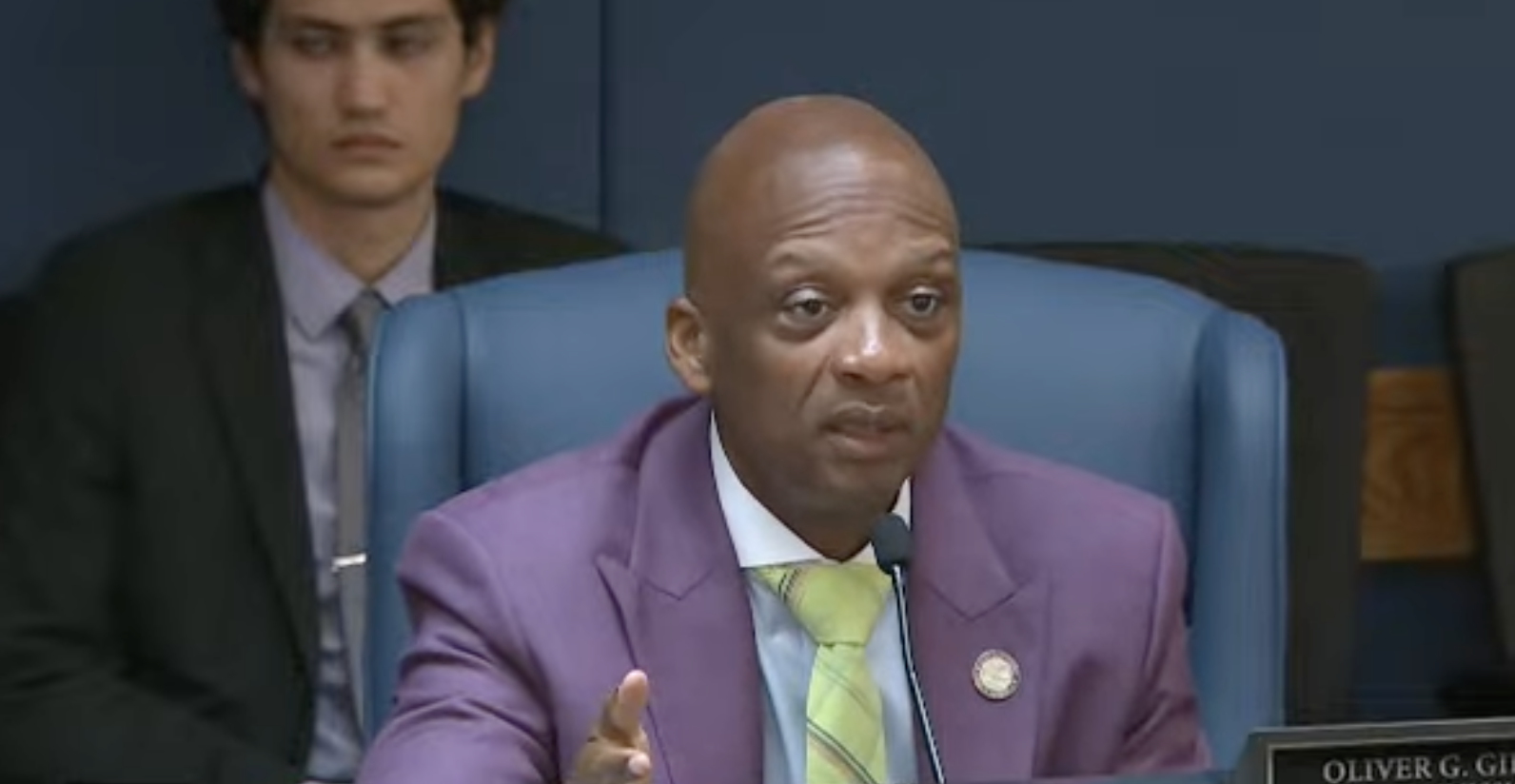 notice until the watchdog’s bark sounds suspiciously hoarse. And creating a runway for one of his pals to get the job.
Let’s start with timing, because in Miami-Dade, timing is never an accident.
The current inspector general, Felix Jimenez, a former homicide detective with deep public corruption experience, has been waiting more than a year for a reappointment vote after his contract expired. That delay? Largely thanks to a legislative “hold” controlled by — you guessed it — Oliver Gilbert. Gilbert now says he wants the commission to settle new hiring rules before addressing Jimenez’s future.
Convenient.
Now to the substance. Gilbert’s proposal lowers the bar for who qualifies as inspector general by expanding acceptable experience to include government administrators, not just law enforcement, judges, or prosecutors. In other words, someone who understands government budgets and contracts — but may never have chased a corruption case — could now qualify.
He told the Miami Herald it was common sense. “Candidates for inspector general should have some experience in public administration,” he is quoted as saying in a story last week. “You have to understand something to actually know how it works, when it’s working properly and when something wrong is being done.”
But that’s like saying that you have to have been a mobster in order to investigate organized crime.
Las malas lenguas say the real reason could be so that Gilbert can apply for the job himself after he is termed out in two years. Others have also floated the name of his old pal, North Miami City Manager Theresa Therilus, who worked under him in 2023 when he was commission chair in a made-up job as board of commissioners executive director — a chief of staff, basically, but making $320K a year. She would be totally unqualified. So is Gilbert.
Read related: Just say yes, yes, yes to three Miami-Dade county charter amendments
In unusually blunt language for a sitting IG, Jimenez himself warned the changes could “jeopardize the effectiveness of an 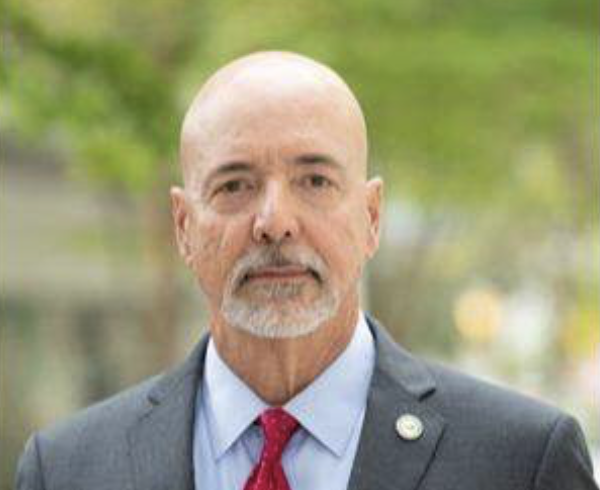 independent Inspector General.” He says some of the changes are good, particularly the term limits and the rule prohibiting an IG from running for office for two years after leaving the post.
“Every time there’s an investigation of a politician, they say it’s because I want to run for office,” said Jimenez, who was accused of coveting the sheriff’s job when he went after Martinez. He likes the change because “it takes that off the table.”
But he says that diluting qualifications and altering the selection process “do weaken the office and it goes against our charter of independence,” Jimenez told Ladra.
Because the red flags here aren’t just who gets to apply. It’s who gets to pick.
Under current law, the inspector general — established in 1998 and ratified by the voters in 2020 — is selected by a five-member independent committee, notably without any commissioners on it. The only elected officials on it are the county state attorney and the public defender, both of whom are not under the OIG jurisdiction. Gilbert wants to expand that committee to seven members and, for the first time, give a county commissioner a seat at the table. As in: someone who could very well end up under investigation would help choose the investigator.
Yes, really.
The proposed committee would now include a county commissioner appointed by the commission chair, the elected Miami-Dade sheriff, a criminal defense attorney — instead of the county’s public defender — and a former local elected official via the League of Cities. Meanwhile, law enforcement representation gets thinned, and independence gets diluted.
Commissioner Juan Carlos Bermudez put it plainly, and refreshingly: “I don’t think anybody that could potentially fall under an investigation should be on the selection panel,” he told the Miami Herald.
That’s not radical. That’s basic governance.
Context matters. The Inspector General’s Office launched the investigation that led to former Commissioner Joe Martinez’s arrest in 2022 on unlawful compensation charges (read: bribery). It is currently investigating the millions of taxpayer funds doled out to the A3 Foundation, a shady non-profit tied to Commission Chair Anthony Rodriguez, a probe serious enough that both the State Attorney’s Office and IG have refused to release records citing an active investigation.
Read related: Shady charity with political ties gets $450K from Miami-Dade Commission
This is not a sleepy office doing paperwork. This is an office that still makes commissioners nervous. Jimenez told Ladra that there are currently 95 “investigations, audits and contract oversight cases” going on right now. Yes, 95.
The Association of Inspectors General has written to the county urging commissioners to reject the changes Gilbert proposes. Miami-Dade Public Defender Carlos Martinez, who would be cut out, has also objected. “I am particularly concerned that this significant change was proposed without any consultation with me or my office,” he wrote in a letter to Chairman Rodriguez last week, regarding his sudden dismissal from the committee.
“I bring a depth of experience to this process, having served on this committee twice before and recently participated in the city of 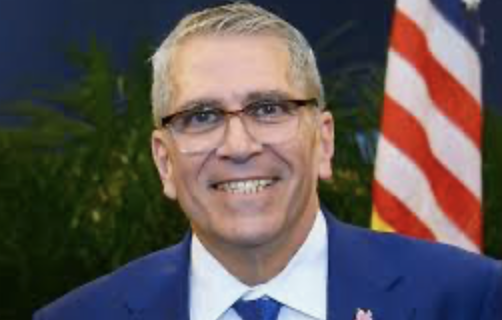 Miami Inspector General selection committee,” Martinez wrote. “Throughout my tenure, I have not been made aware of any complaints or concerns regarding my participation.
“The inclusion of the elected public defender has historically ensured a balanced, fair and transparent selection process,” he said, adding that he had communicated with the Florida Association of Criminal Defense Lawyers who “had not asked nor were they seeking appointment to the committee.”
Which brings us back to Gilbert’s resolution — and why it belongs at the Policy Council on Monday, where good ideas are refined and bad ones are quietly buried.
Because when the watchdog is mid-investigation, when its leader is waiting on a stalled reappointment, and when the people proposing rule changes are the very people subject to oversight… rewriting the rules doesn’t look like reform.
It looks like preemption.
Miami-Dade voters approved an independent inspector general in 2020 for a reason. Key word: Independent.
Independence doesn’t mean “we like you, but only if you play nice.” It means distance. Structural distance. Institutional distance. The kind Gilbert’s proposal steadily erodes.
But he’s termed out. And there are seven commissioners on the ballot this year that might find it difficult to pass this. They need to campaign on greater transparency and accountability, not less. We’ll be watching.
Ladra suggests this resolution meet its natural end at Policy Council — quietly, efficiently, and without further damage.
Because watchdogs don’t work when their leashes are held by the people they’re supposed to bite.
If you like what you read on Political Cortadito, please consider making a contribution to support the independent, government watchdog journalism on this website. Thank you!

Miami-Dade’s Oliver Gilbert would rewrite rules, role for Inspector General added by Ladra on
View all posts by Ladra →
