

New Mayor Eileen Higgins suggests taking a year away
Like a bad ordinance in a file drawer, waiting for a new haircut and a better excuse, Miami Commissioners are once again pulling out the proposal to change the election calendar — the same idea that was laughed out of court when commissioners tried to give themselves an extra year in office without asking voters first.
This time, they’re saying pretty please.
On Thursday, the city commission — prodded hard by Commissioner Damian Pardo — voted to instruct the city attorney to start drafting ballot language for a referendum that would move city elections from odd years to even years. The goal: land it on 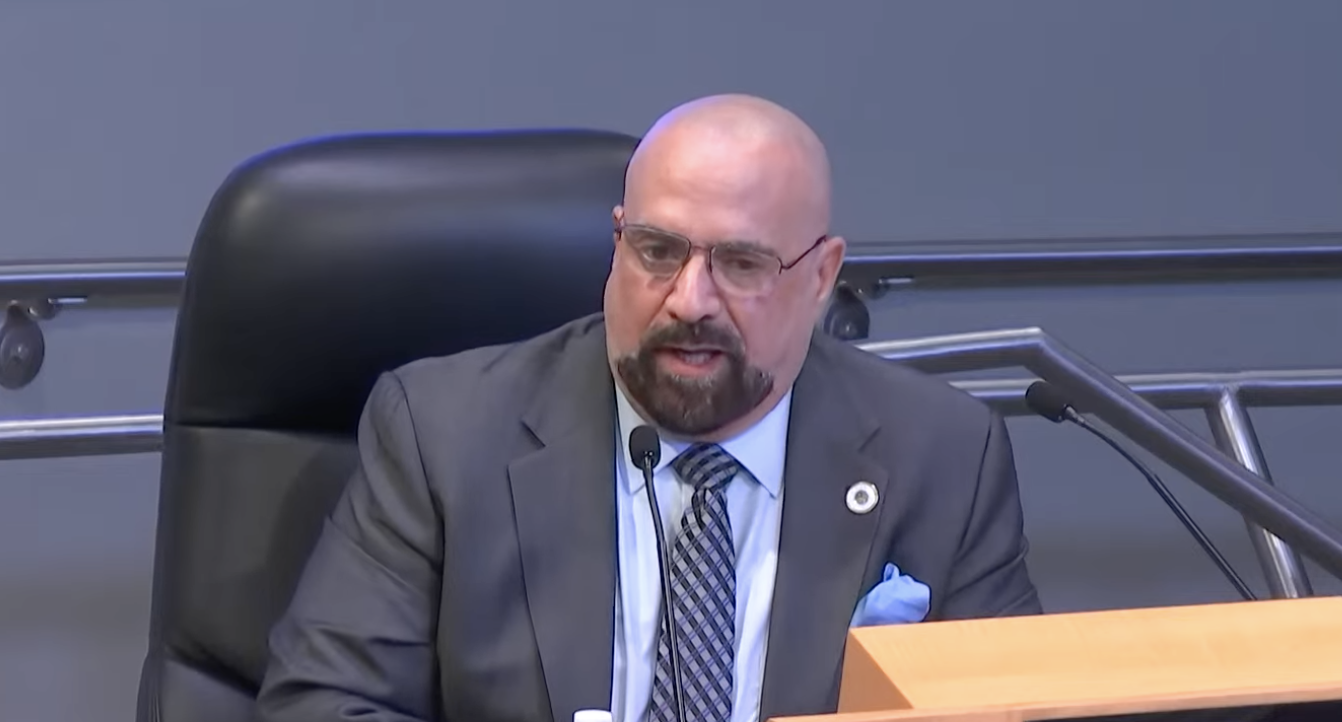 the August ballot and let voters decide.
That’s the part they want you to focus on. Democracy! Reform! Turnout!
The fine print, however, still has that familiar Miami aroma.
Because even under this “new and improved” version, commissioners would still get a one-time five-year term. Not now, not retroactively — but later, when voters in 2027 knowingly elect officials whose terms would stretch all the way to 2032. Anyone elected in 2029 would serve through 2034.
So yes, they learned their lesson. They’re not canceling an election anymore. They’re just lengthening the lease — if voters let them.
Last time, you’ll remember, the commission tried to do this the fast way. They passed an ordinance pushing the November 2025 election to 2026. No voter approval sought. Former City Manager Emilio Gonzalez, a mayoral candidate at the time, filed a lawsuit and two judges promptly reminded the commission that the Florida Constitution and the city charter are not mere suggestions. The ordinance violated both. The election went forward. City Hall got smacked.
Lesson learned? Sort of.
Pardo, the tireless champion of even-year elections, insists this is all about increasing voter turnout from about 20% in odd years to about 70% in the even years. Civic reform. Democracy. The usual. On Thursday he sounded like it was an emergency to pass the directive immediately — even though the city has until May to get this right. And even though he didn’t push to put it on last year’s ballot, when there was an actual city race.
Read related: City of Miami election year change won’t make November ballot, after all
But there’s a plot twist: New Mayor Eileen Higgins, in her very first commission meeting as mayor, did something unusual in Miami politics: she kept a campaign promise. She reminded her colleagues — and the room — that she told voters she would 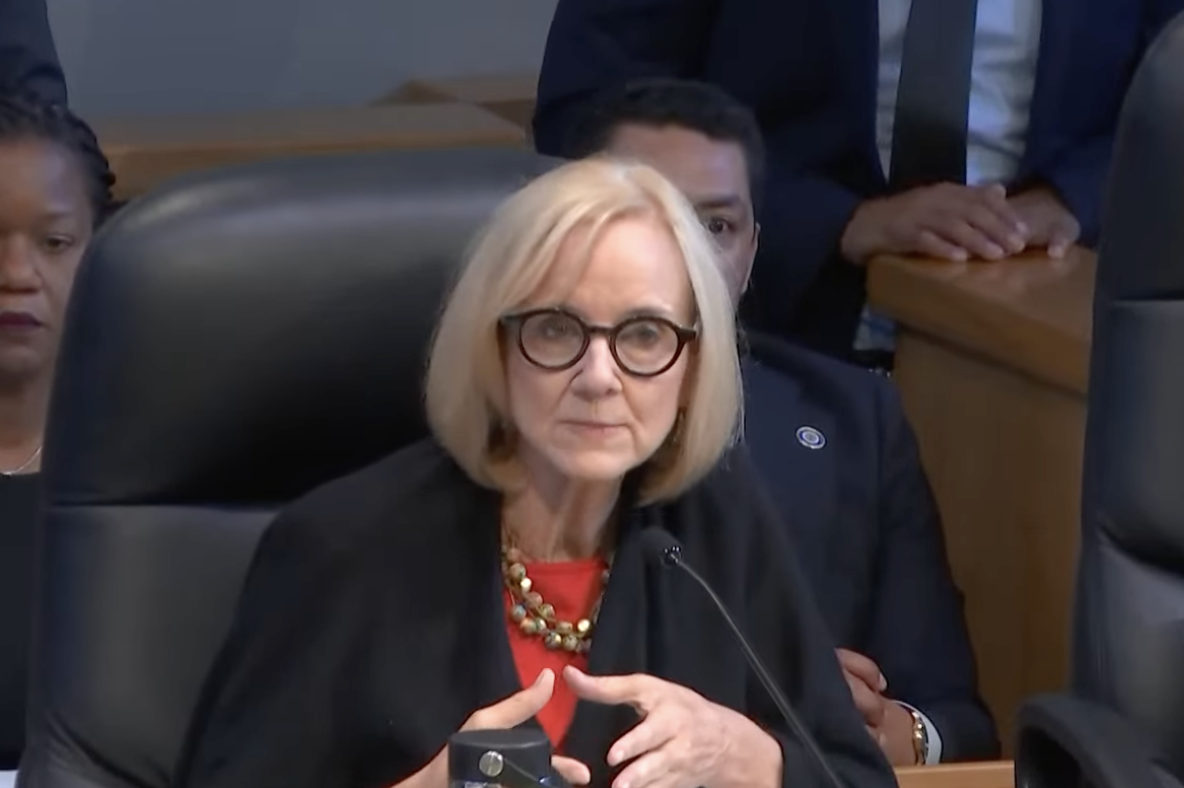 shorten her own term to move the mayoral election to 2028.
Three years. Not four. No bonus year. No extension.
In other words: if this is really about reform, she’s willing to take the hit.
That did not sit well with Pardo, who warned of “legal complications” — funny how the law gets complicated only when years are being taken away, not added — and openly questioned whether any elected official would willingly give up a year. “I think it would be very hard to find a commissioner that’s gonna agree to take away a year of their projects,” he said. Yeah, the projects.
Cue the record scratch.
Commissioners Ralph Rosado and Rolando Escalona immediately said they’d be willing to do just that. Commission Chair Christine King chimed in. “I wouldn’t be opposed to giving up a year either,” she said.
Suddenly, the “no one would ever agree to this” argument didn’t sound so airtight.
No matter. Pardo would not be dissuaded. He has been working this issue for two years, he said, and made clear that he would like the voters to take it exactly as packaged — no substitutions, no term-shortening, no monkeying with the formula.
But it looks like another transparent attempt to take an extra year for free.
“New year. New mayor. Same Pardo,” said Downtown Neighbors Association President James Torres, who ran for the District 2  seat in 2023 and has been the commissioners biggest critic almost from the beginning. He issued a statement with a new logo and slogan –“for a better Miami” — that makes it look like he’s finally running for something again.
“If Pardo truly believed in even-year elections, he’d follow the mayor’s lead and shorten his own term to make the transition work. Instead, he’s using the issue as cover for yet another attempt to secure more time, more salary, more perks, all at the expense of Miami voters,” Torres said, adding that he will reach out to every commissioner to reject the extra year move.
“Miami deserves commissioners who will give back, not take more. Commissioners who will stand with the Mayor, not hide behind procedural games to reward themselves,” he said.
Higgins proposed a compromise: Split the baby — and the ballot. One referendum to extend commission terms to five years, and a separate question to shorten the mayor’s term to three, putting the mayoral race in 2028. She said she consulted another election attorney who told her it was doable. So, the mayor — who sat through the whole meeting, unlike her predecessor — has already got outside counsel to get a second opinion to the advice from City Attorney George Wysong. Smart.
Pardo bristled. Splitting it up, he warned, “changes the complexity.” He wanted to call the question and move on.
Read related: Miami Commissioners pass election date change — and steal an extra year
But King sided with the mayor, calling the request reasonable. After some legal back-and-forth and a quiet huddle with the city attorney, Pardo relented.
Fine. The mayor can be removed from the question. Her referendum will come back later.
Only Commissioner Miguel Angel Gabela voted no — not on the mechanics, but on the whole concept. “I don’t want to open 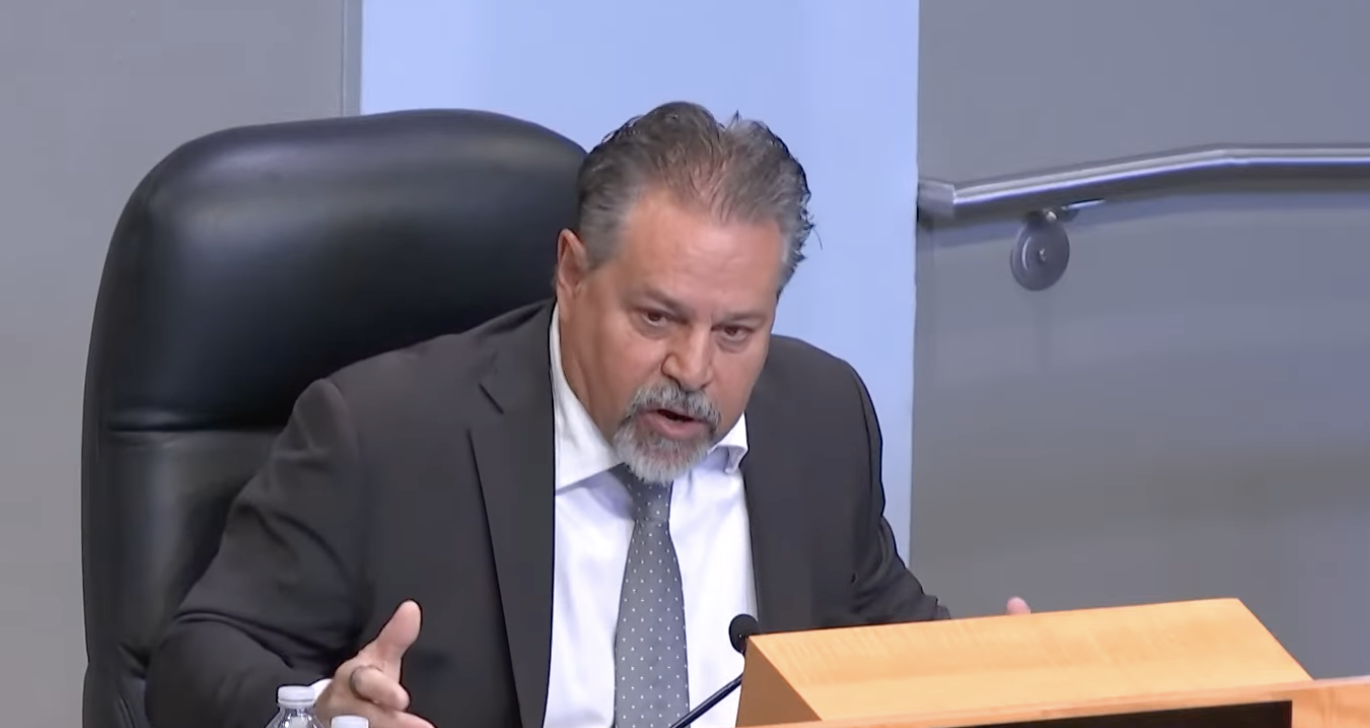 that wound again. The ‘Here we go again. They’re giving themselves another year.'”
He also warned that even-year elections favor establishment candidates and drown out grassroots campaigns in the roar of presidential and gubernatorial politics. “Somebody like me, for example, who was an underdog… in an even-year election, it would be almost impossible for me to get here,” he said.
And there it is — the subtext nobody likes to say out loud.
This isn’t just about turnout. It’s about who survives the noise. Gabela is right about it being harder to get the message out when everybody else is running for state and county and federal office. Prices to produce mail pieces or air ads soar. And the well-funded candidates have an edge.
“We would be lost in the sea of top elections,” King said, adding that in odd year elections “our community can focus on us.”
There is a citizen led drive to move the elections to even numbered years, but the activists behind it say the city commission’s proposal “delays this meaningful reform until 2032 and extends the terms of the commissioners elected prior to implementation by a year. Miamians shouldn’t have to wait that long for change.”
Stronger Miami has collected more than 15,000 signatures for a charter amendment that would move elections to even years sooner and include additional “critical reforms,” like expanding the commission from five to nine members to ensure better representation, and establishing clear redistricting standards to protect fair elections.
“Our community-driven effort shows that residents want real reform now, not in five years,” the group said in a statement. “We will continue gathering support to give Miami voters a choice between waiting until 2032 or implementing comprehensive reforms sooner.”
Read related: Stronger Miami group hits 15,000 signatures for city charter amendment
So here we are again. Same goal. Softer edges. Better lawyering. And a promise that this time, voters will be asked before anyone helps themselves to an extra year.
The ballot language still has to come back for final approval by May, Wysong said. That’s the deadline if they want to make the August ballot. The mayor’s term still needs its own referendum. And the courts, one suspects, could still weigh in.
Last year, a judge reminded Miami officials that they can’t help themselves to more time in office. This year, Pardo is hoping voters will do it for them — willingly, knowingly, and with a smile.
Ladra’s advice to readers is simple: When City Hall says this is about turnout, check the calendar. When they say it’s about reform, count the years.
Because in Miami, election “fixes” have a funny way of always fixing things for the people already in the room.
If you like what you read on Political Cortadito, please consider making a contribution to support the independent, government watchdog journalism on this website. Thank you!

Damian Pardo still wants an extra year in Miami election calendar change added by Ladra on
View all posts by Ladra →
