

If Miami’s new Mayor Eileen Higgins thought her first gavel strike would come with a ceremonial smile and a welcome bouquet, City Hall disabused her of that notion quickly.
Very quickly.
After the ceremonial but legally required acknowledgment of the Dec. 9 runoff results at Thursday’s commission meeting, things really start to roll. Applause. Smiles. Deep breath.
Higgins’ first official meeting as Miami’s newly elected mayor — alongside newly seated Commissioner Rolando “Sexy Fish” Escalona — will be less “fresh start” and more political obstacle course. A greatest-hits playlist of Miami’s most combustible issues landed on the agenda all at once: Watson Island, election engineering, density, fees, bonds, and development — all before anyone could even get comfortable in their new chairs.
Read related: Eileen Higgins goes into Miami City Hall with a fire extinguisher and a smile
Speaking of chairs, the commission will also vote to appoint newly-appointed Miami-Dade Commissioner Vicki Lopez the vice chair of the Miami Downtown Development Authority, which has come under fire for its wild spending. Have fun!
Welcome to governing, La Alcaldesa II. Hope you brought your Tylenol. And some cafecito.
Let’s start with the elephant parked on the MacArthur Causeway.Also known as Watson Island, the deal that wouldn’t die. There are two diametrically opposed items on the agenda about this.
PH8, sponsored by Commissioner Damian Pardo, proposes approving the sale of roughly 3.2 acres of city-owned land at on 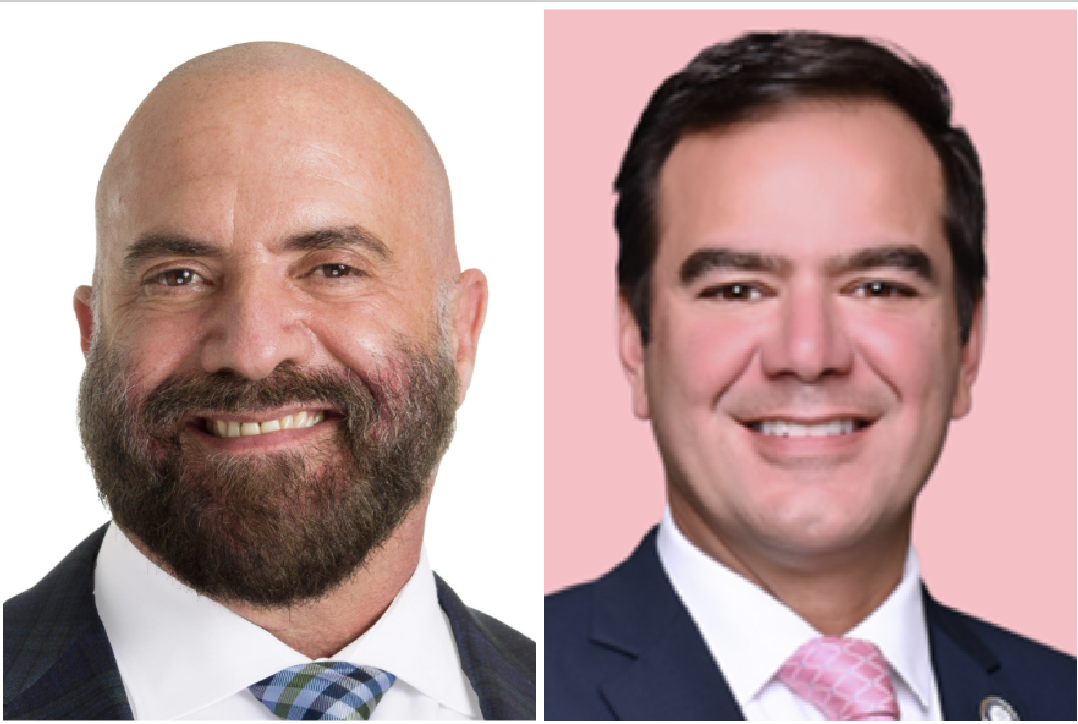 Watson Island, 888 MacArthur Causeway, to IG Luxury LLC for $29 million. This would be the second vote, after the former commission voted 4-1 to move it forward in December. It needs a four fifths vote to pass. Former Commissoner Joe Carollo is gone, can no longer vote, so Escalona could be a second vote against it, with Commissioner Ralph Rosado, who asked his colleagues to delay the Dec. 11 vote until he could ge more information and has put another item on the agenda to reconsider that first vote.
Read related: Parting gift: Miami commission pushes through Watson Island fire sale
On paper, the deal comes with a shiny “community benefits agreement” of $9 million earmarked for affordable housing and infrastructure, plus a $4 million payment to the state to lift old deed restrictions. But the price for one of the last pieces of publicly owned waterfront property is less than a tenth of what two appraisals — at $235 and $352 million — and just plain ol’ common sense say it’s worth.
The battle won’t just be during the pu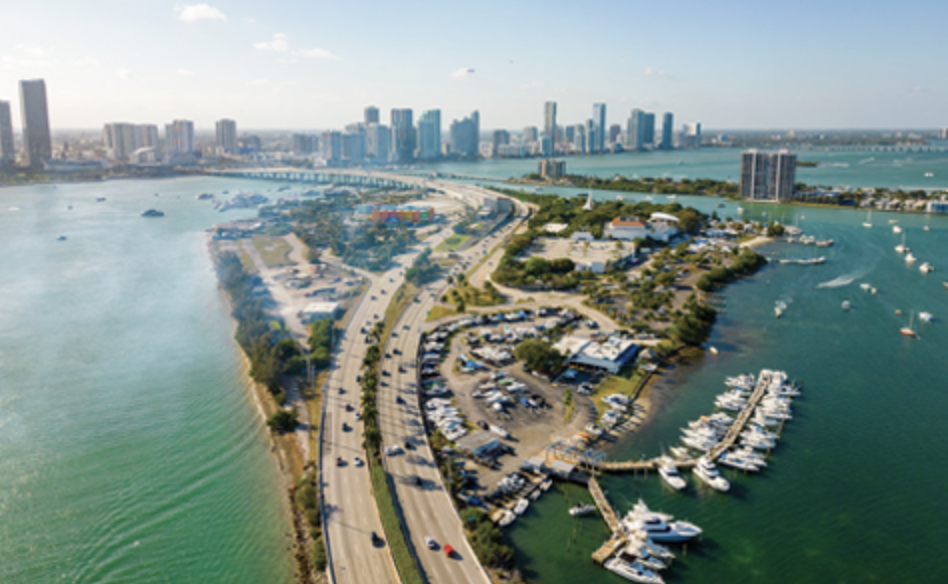 blic comment period — almost all residents, taxpayers and activists are against the sweetheart deal giveaway — but also on the dais. Because of PH9, sponsored by Rosado, to reopen and reconsider the previously approved Watson Island transaction, now with a different commissioner on hand to vote yay or nay.
“Conservative analysis indicates the city is leaving tens of millions of dollars on the table, even without speculative pricing or aggressive assumptions,” Rosado wrote in an op-ed in The Miami Herald.
For Escalona, this is gonna be a live wire. His first true test. For both he and Higgins, who could have but did not veto the first vote, it’s a stark reminder that Miami doesn’t just inherit assets — it inherits unfinished business.
And it doesn’t get easier from there. Because we also have RE8, a new attempt to change the election date — and give the electeds who are there at the time an extra year in office. Having a deja vu? Yeah, it happens a lot here. The city commission already tried to move the election from odd-numbered years to even-numbered years, aligning them with county and state races. Last summer, they voted to do just that, effectively cancelling the November election and giving themselves all an extra year in office. After a lawsuit was filed former city manager Emilio Gonzalez, a mayoral candidate who didn’t win the runoff, a judge said, ‘Yeah, no,” and threw the ordinance out because any change has to be approved by the voters.
The difference between this power grab and that one is that this item would put the matter to voters.
But they still want to give electeds an extra year, rather than shave a year off the term that is affected.
Read related: Third DCA says no, again; Miami loses third try to cancel November elections
This proposal is sponsored by Pardo and Rosado, getting together on something at least, and would slide the 2031 election to  2032. That means whoever is elected in 2027 and 2029 gets an extra year in office. Voters would have the final say at the August ballot this year.
Higgins, barely sworn in, now finds herself presiding over a debate that will define how long she stays in office — whether she asked for it or not. Escalona will actually vote on whether or not he gets an extra year if he runs again for re-election in 2029.
But wait, there’s more.
RE13, sponsored by Pardo as well, would initiate the process for a citywide General Obligation bond referendum. Translation: the city is preparing to ask voters for permission to borrow big for capital needs — infrastructure, facilities, long-delayed projects — with details to come by April and a possible referendum in August 2026.
It’s the responsible thing to plan for. It’s also the kind of thing that terrifies taxpayers who’ve seen promises oversold before.
Pardo is also sponsoring SR7 — which is the second and final reading for an ordinance that will basically allow developers to  double density along the eastern, waterfront edge of Miami — as long as they make a donation to a new “Resilience Trust Fund that helps the city pay for infrastructure needs that support more development.
Say what? This is the one that makes planners salivate and neighborhood activists reach for their blood pressure meds.
Last, but not least, item SR5 quietly but profoundly updates right-of-way, permitting, sidewalk café, and inspection fees across the city code. These changes will hit Downtown developers, small business owners, outdoor dining operators, and anyone trying to build or renovate in Miami. Fees go up. Rules tighten. The cost of doing business inches higher.
All this means that the honeymoon is over. For Higgins and Escalona, this meeting isn’t an introduction. It’s an initiation.
Watson Island resurrected. Elections questioned. Density unleashed. Fees raised. Bonds floated. Power calibrated.
This is a sprint straight into the storm. And if the mayor and the rookie commissioner were hoping to ease into their roles, Miami had other plans.
Political Cortadito can only exist with the financial support from readers like you. If you like what you read here, please consider making a contribution to support the independent, government watchdog journalism on this website. Thank you!

Baptism by fire at Miami City Hall for Eileen Higgins and Rolando Escalona added by Ladra on
View all posts by Ladra →
