
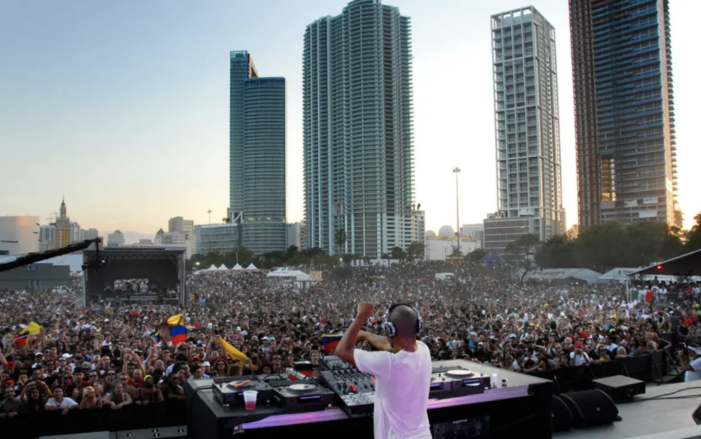
Just days before tens of thousands of bass-loving ravers descend on downtown for the annual sonic invasion known as the Ultra Music Festival, the one meeting meant to give residents answers about road closures, noise, traffic, and general survival strategies imploded Wednesday — because the City of Miami pulled out at the last minute.
And when the city said it wasn’t coming, Ultra said, “Then why should we?”
Cue the civic equivalent of a DJ yanking the plug mid-drop.
The Downtown Neighbors Alliance (DNA) had scheduled a town hall for this week almost a month ago to let residents question city staff and festival organizers directly about the impact of Ultra on the 50,000+ people who actually live downtown — not just 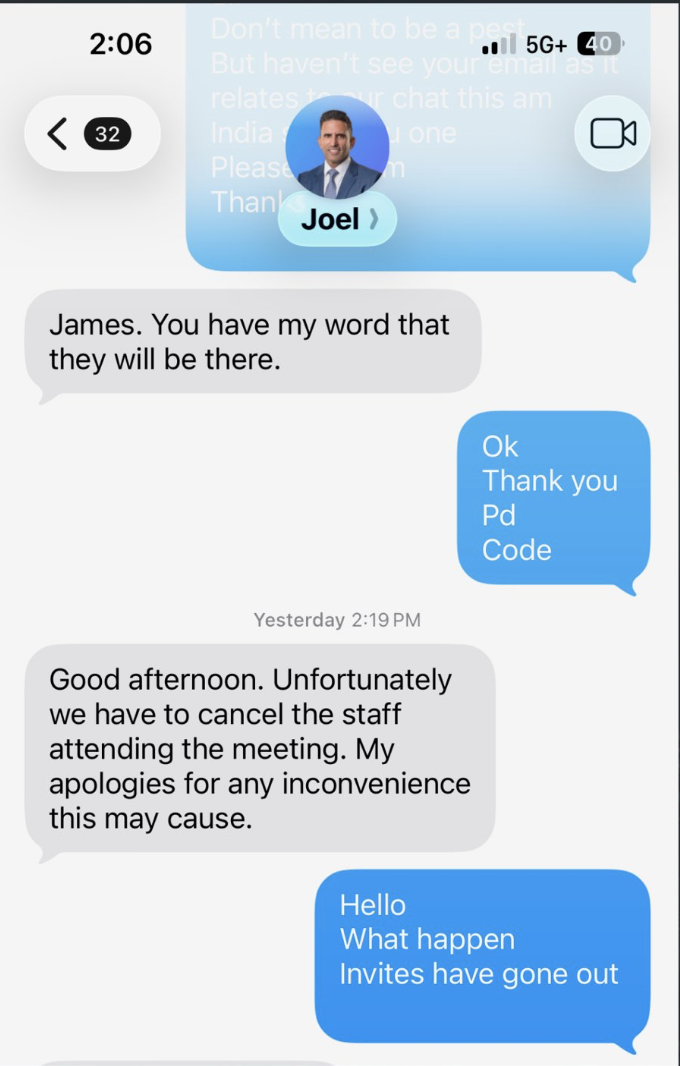 the ones who parachute in wearing glitter and hydration packs.
According to DNA leaders, the city had repeatedly committed to sending representatives from police and events departments. They have the receipts: Text messages from Joel Bello, the city manager’s chief of staff, confirming staff’s attendance. Then, on Tuesday — the day before the meeting — they backed out.
No police. No events staff. No official city voice.
Upon hearing that, Ultra representatives — who are asking the city for a 20-year contract — also declined to attend. Because answering questions without the agency that controls roads, policing, and logistics is like explaining turbulence without the pilot in the room.
The DNA board fired off a pointed letter to Mayor Eileen Higgins and City Manager James Reyes expressing “disappointment and a strong sense of concern.” Translation: Are you kidding us right now?
Read related: Ultra Music Festival wants a 20-year contract for downtown Miami event
The group warned that the withdrawal “undermines the trust” built between residents and city leadership and leaves the community feeling unheard at a critical moment. Because the truth is Ultra isn’t just another block party. It’s a logistical military-like operation involving road closures, security perimeters, transit disruptions, emergency services and enough rideshare surge pricing to finance a small country.
Residents wanted answers about all of it. Instead, they got the cold shoulder.
“It infuriates me,” Kristen Browde, a downtown dweller told CBS News Miami. “I cannot believe that the politicians w0uld ignore [our] concerns.”
She must be new around here.
Part of the frustration stems from a recent city-hosted Zoom session that residents reportedly found about as useful as noise-canceling headphones at a subwoofer test. DNA members said the virtual meeting lacked meaningful engagement — some people could not get online, others could not ask questions — which made the in-person town hall even more important.
For the past four years, the city had participated in these community forums. Not this time. Why the sudden change? Officials 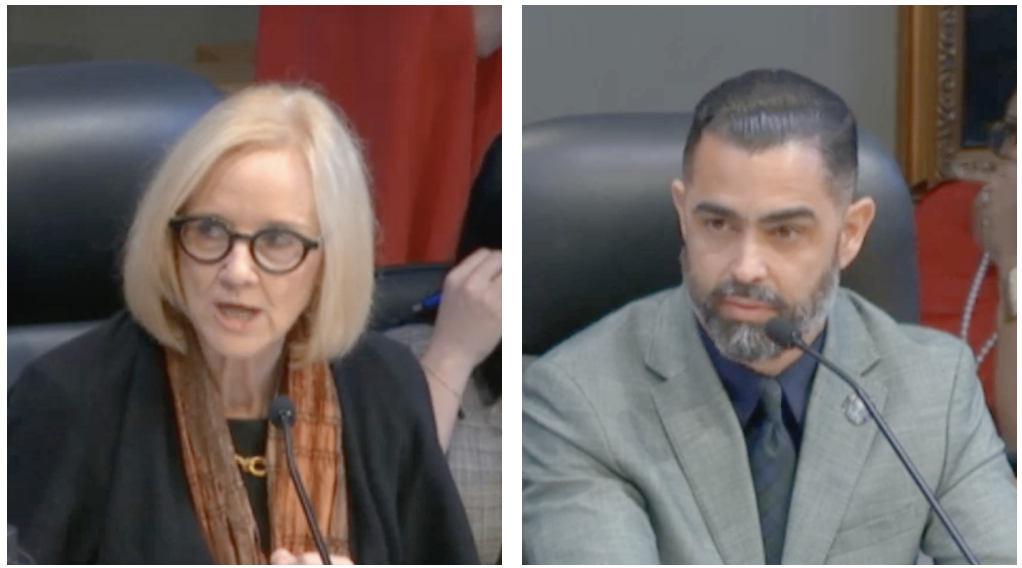 haven’t publicly explained. Nether Higgins nor Reyes returned calls or texts from Ladra about it. Neither did Bello, Reyes’ chief of staff — and a former major at the Miami-Dade Police Department who left in December after the sheriff was elected — who has a virtual assistant on his cell phone that takes your name before he sends you to voice mail. He sent me twice.
Helena Poleo, the city’s spokeswoman, first referred Ladra to Commissioner Damian Pardo‘s office. Which is funny. Maybe she doesn’t know that Pardo does not return calls from Political Cortadito and has instructed his staff to ignore Ladra, too.
Besides, some of the downtown residents feel that Pardo is the one who pulled the plug on the city’s participation in the meeting. He has had a long-running feud with the DNA and with President James Torres, who ran for commissioner against him (and may again) and later endorsed Pardo in the runoff. Talk about eating crow.
In fact, Poleo told Ladra that there was a meeting Monday with the residents of 50 Biscayne Boulevard, “as this building is the 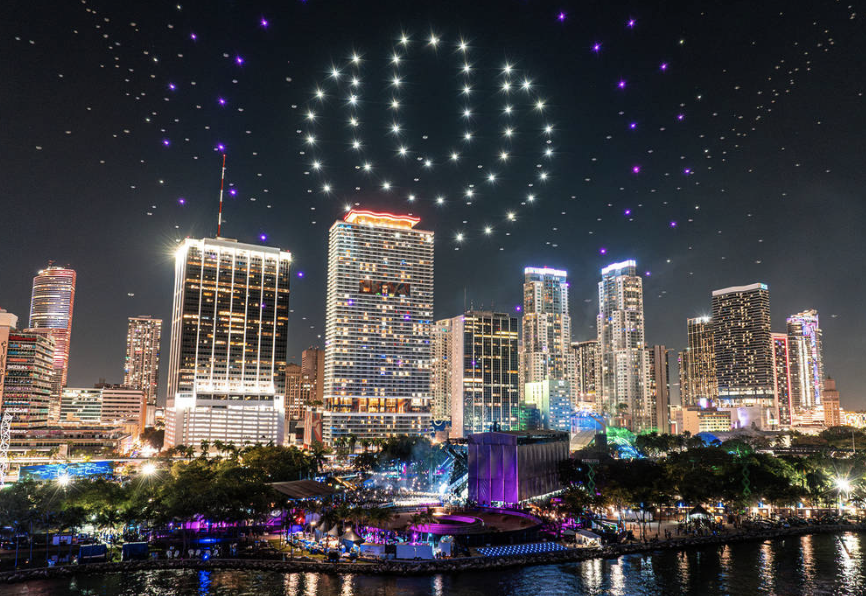 most affected by both street closures and noise.
“We and Miami PD held a very collaborative session with their board and managers regarding all concerns related to ingress/egress of their property,” Poleo wrote in an email requesting more information. Why couldn’t they include the DNA?
She also said that all local property managers and residents got a “building access plan” and that there would be another online meeting between property managers and police staff and city officials next Monday.
Additionally, she said, there is an online survey that is open through April 22 to gather “general sentiment analysis for Ultra in the past, present and future.” It’s been included in the newsletter and posted in community Whatsapp chats.
There will also be a “grounds walkthrough with D2 Commissioner’s Office on Saturday, March 28th — which is not outreach to residents or a publicly advertised meeting, just “it will help us to better understand feedback,” Poleo said, although in the middle of the event weekend seems a little late to do anything about it.
And finally, there will be a community forum April 2 at Miami Dade College, an in-person meeting with residents, the police brass, and the Bayfront Park Management Trust for feedback on the Ultra contract that will be voted on later in April. But this is after the festival and it’s not the meeting that the residents want to become informed and provide their concerns before the music.
Ladra would have thought that the newly-elected, “hands-on” mayor and superstar city manager would be on top of this. Besides, Bello, the chum who cancelled at the last minute, is chief of staff for the city manager, not the D2 commissioner. It is hard to believe Bello would cancel the city’s participation in this meeting on his own, without getting the green light from his boss.
Read related: Miami Commissioner Damian Pardo loses support, inspires recall threats
Las malas lenguas have speculated that the administration has concerns about legal impacts and and political optics. Or maybe they just don’t want to walk into a room full of irritated taxpayers days before one of the city’s biggest — and loudest — events. 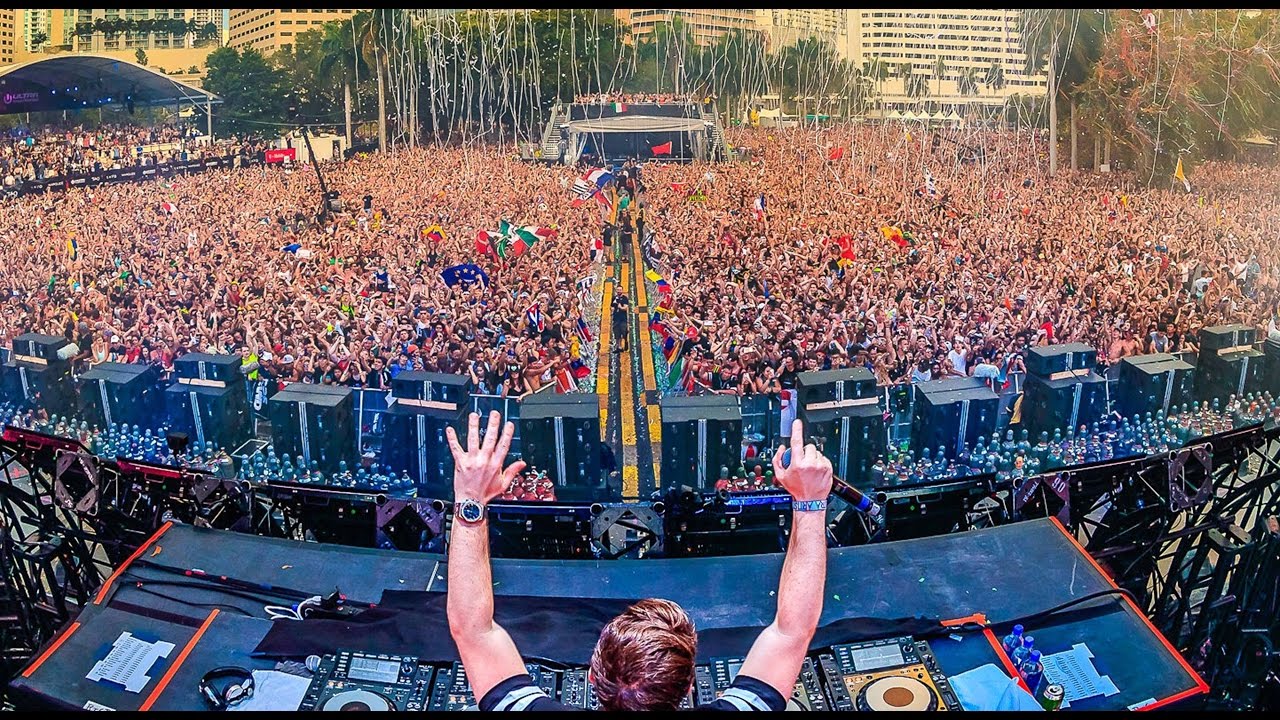 And who can blame them?
Downtown Miami has transformed from a nine-to-five ghost town into a live-work-play residential core. That means Ultra no longer disrupts just office workers — it disrupts families, pets, seniors, remote workers, and anyone who enjoys sleeping past 11 p.m.
DNA emphasized that more than 50,000 residents are directly affected by traffic congestion, road closures, rideshare chaos, and quality-of-life issues during festival weekend, which attracts about 150,000 people.
Without city participation, the town hall can’t provide definitive answers about policing, transit plans, or emergency access — the very things residents worry about most.
“Choosing not to attend a long-scheduled, community-led forum “sends the wrong message,” DNA warned, and risks eroding public trust. In political terms, it looks like ducking the room where the tough questions live. Now, residents will head into Ultra weekend armed with little more than rumor, social media threads, and whatever traffic apps can tell them in real time.
Unless, of course, the meeting is rescheduled.
“They have two weeks before Ultra,” James Torres told Political Cortadito. “They have the opportunity to redeem themselves. allow the two or three staff members to come to this meeting. This is not like you’re planning an invasion.
“For the last four years, this town hall meeting has gone on without a hitch. You set aside your differences and educate and inform the public,” Torres said. “The administration has turned a blind eye on this.”
Read related: Miami’s Joe Carollo grabs Ultra Music money for Bayfront Park slush fund
Ultra will happen regardless. It always does. The stages will go up, the DJs will spin, and Bayfront Park will vibrate like a giant 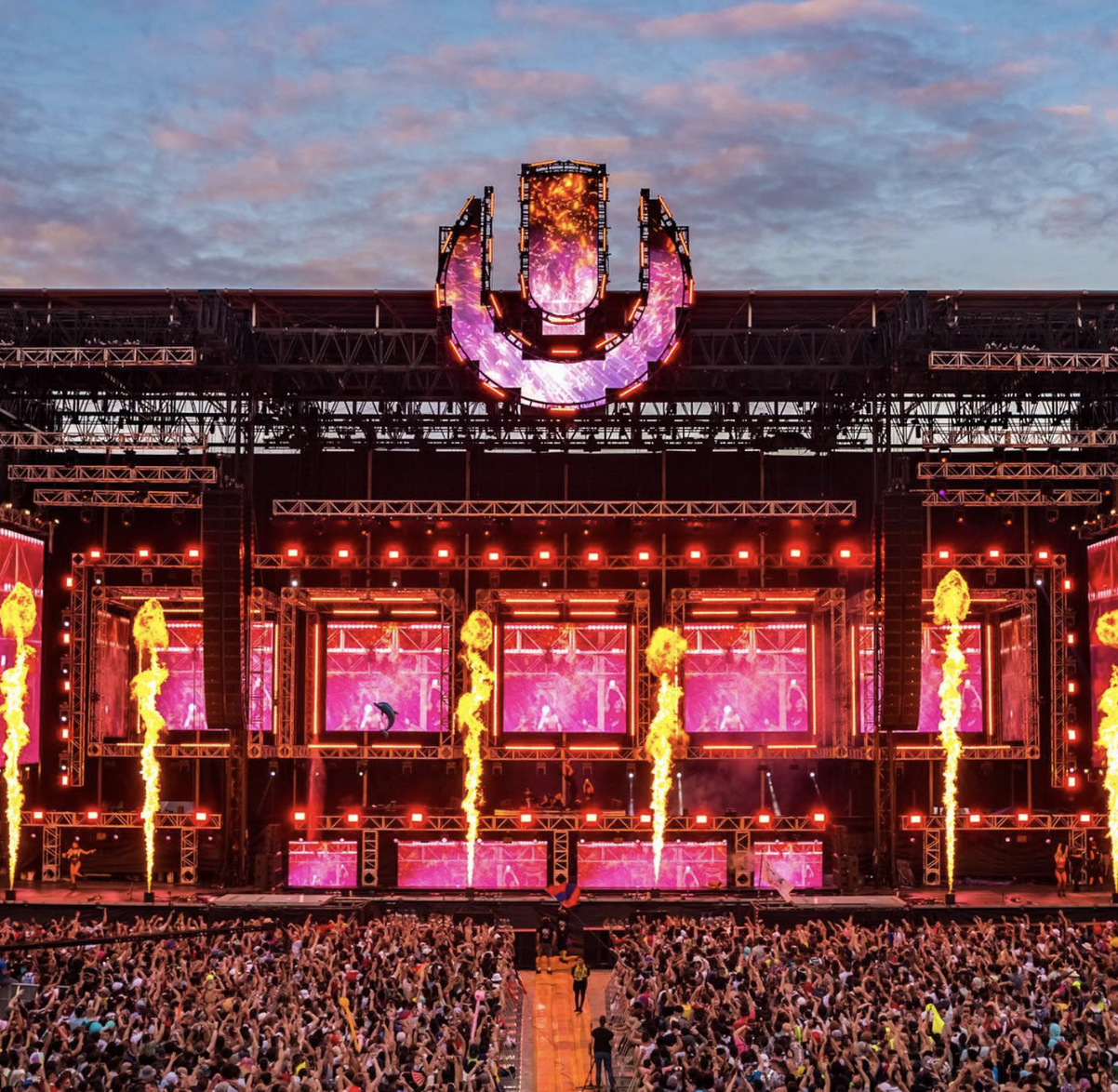 glow-in-the-dark sex toy.
What won’t happen — at least for now — is the one structured conversation meant to help residents prepare. So the people who live downtown may be left doing what Miami residents do best: figuring it out themselves.
Earplugs optional. Patience required.
When the city skips the town hall and the festival follows suit, the only voices left in the room are the residents — talking to each other about a disruption none of them controls. In a city famous for throwing parties, it’s a reminder that someone always has to clean up afterward.
This year, apparently, they don’t even get a briefing first.
See you on the other side of the bass drop.
This kind of independent, government watchdog reporting is crucial to transparency and democracy. And more so every day. Help shine a light on the darker corners of our community with a contribution to Political Cortadito. Click here. Ladra thanks you for your support.

City of Miami bails on Ultra Festival meeting with downtown residents added by Ladra on
View all posts by Ladra →