
Eight charter changes, zero polling places
Coral Gables voters are about to reshape their city government — without ever setting foot in a polling place.
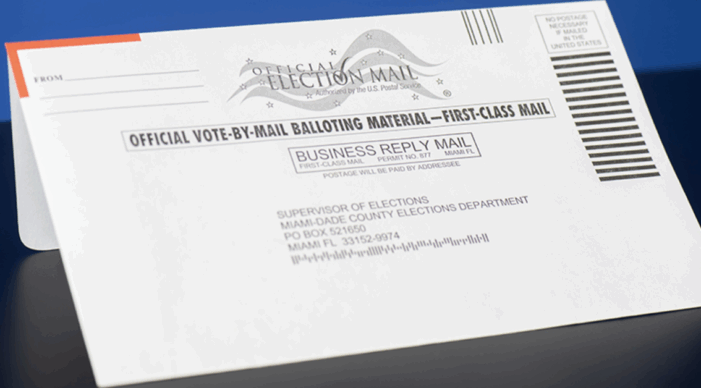
The Miami-Dade Elections Department on Thursday will mail 37,332 absentee or vote-by-mail ballots to voters in the City Beautiful to decide the fate of eight charter amendments touching everything from election dates and salaries to corruption oversight and rainy-day reserves.
No early voting. No precinct lines. No “I voted” stickers.
Just envelopes — and a lot of very consequential fine print.
New voters in the city have until March 23 to register for this election, and all ballots must be received — not postmarked — by 7 p.m. April 21.
Participation optional. Consequences permanent.
 So, what’s at stake? Here is Ladra’s summary on each of the charter amendments, a summary you won’t get anywhere else.
Read related: Coral Gables voters to get sweeping charter changes ballot only by mail
The big one is moving elections to November. Referendum One would shift city elections from sleepy April contests in odd years to high-turnout November elections in even years — starting in 2026. Supporters say aligning the municipal elections with state and national cycles — something which is trending statewide — will save money and boost participation. Critics warn local races could get swallowed by national partisan noise and first time or grass roots candidates will have a hard time getting their message out, favoring incumbents and big money.
If approved, it would also trim about four months from the current terms of the sitting mayor and commissioner. But only Lago and Commissioners Melissa Castro and Ariel Fernandez would be up for re-election later this year. Seven months from the April election. Vice Mayor Rhonda Anderson and Commissioner Richard Lara are about a year into their term and would be up for re-election in 2028. If Referendum One passes.
Referendum Two would lock that change in place, preventing future commissions from moving elections again without voter approval. Although Ladra believes a judge beat them to it when the courts nullified the city of Miami’s change of election date without going to the voters.
Moving the election to November has become Mayor Lago’s top political priority — not because of turnout theory or municipal 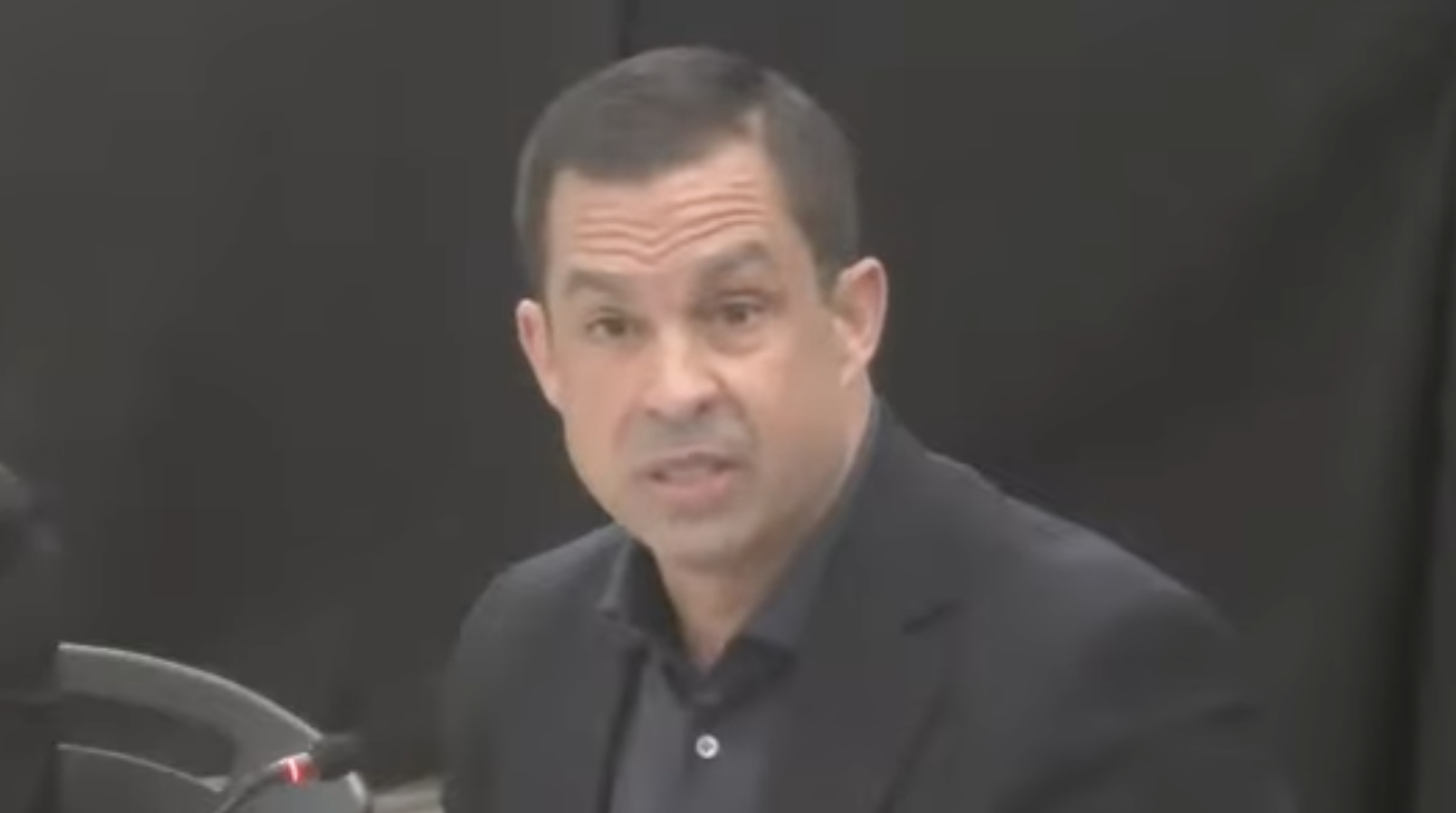 efficiency, but because it rewrites the battlefield in a way that could finally dislodge his two most persistent adversaries, Commissioners Castro and Fernandez. Around the Gables, few doubt the effort is fueled as much by retaliation as reform; Lago is already backing a challenger against Castro, and November’s larger, more partisan electorate could, arguably, dilute the hyper-local base that has kept his critics in office.
Already, his political action committee has sent an email blast urging “yes on all eight,” but focused on the first two, which are about the November elections.
Read related: A new PAC in old hands — just in time for the referendum in Coral Gables
“Holding city elections alongside national elections increases voter turnout and lowers costs by eliminating expensive, low-participation stand-alone elections,” the email states. “This change moves the next city election up from April 2027 to November 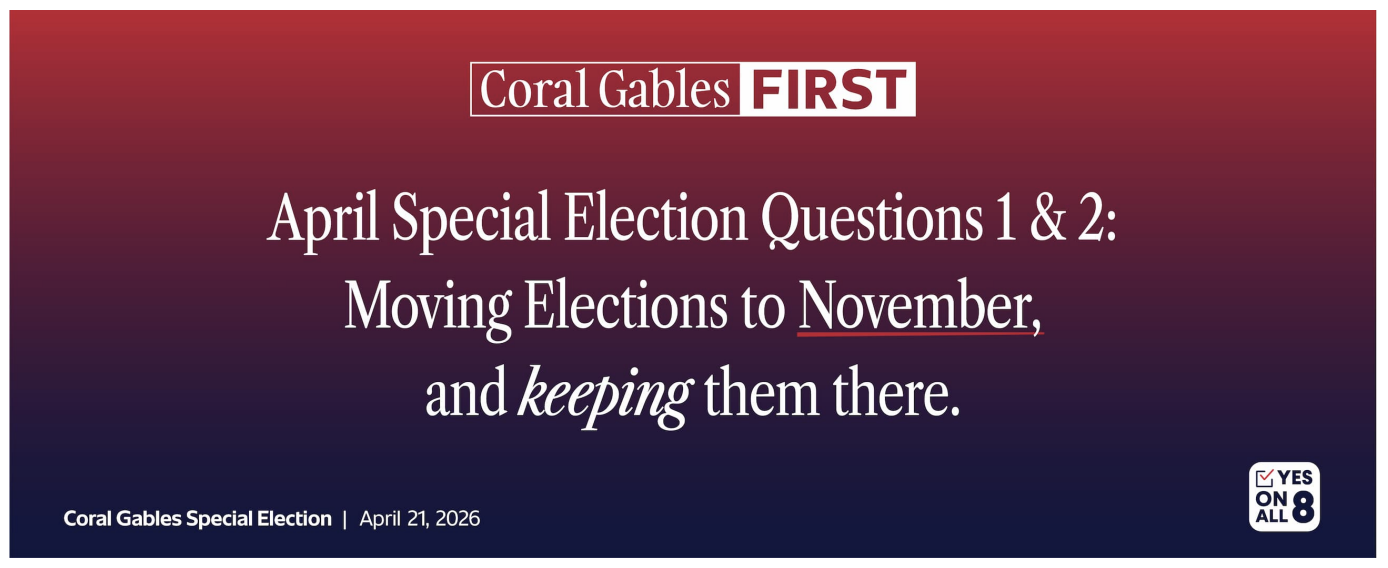 2026, meaning elected officials must face voters sooner, not later.”
The PAC also has set up a website (the domain was registered in February) where voters can get more one-sided information about the charter amendments, indicating that there could be a lot of money spent on this effort to get a yes vote. A “vote no” campaign is unlikely.
Conveniently, for Lago, thanks to Florida’s shift to quarterly campaign finance reporting, voters won’t see the full flood of money — from allies, PACs or outside interests — until long after ballots are counted, making this a high-stakes election conducted largely in the dark.
But the mayor is taking full ownership of the ballot. “That’s why I built these referendums. That’s why I put them before the voters,” Lago said at the town hall, a 90-minute commercial for him that also featured a cameo by Nelson Menendez, the candidate who is running against Castro in what he thinks will be a November election.
And if the mayor is banking on a friendly Republican midterm wave to carry his slate across the finish line, he may want to check the national weather report: early signals and ground chatter suggest 2026 could be far less of a red comet and more of a turbulent toss-up, meaning the gamble to nationalize a local race could cut both ways.
Read related: Coral Gables Mayor Vince Lago caves on election change; wants public vote
There was a town hall last week that Mayor Lago hosted. “We trying to inundate you with as much information for you to make a 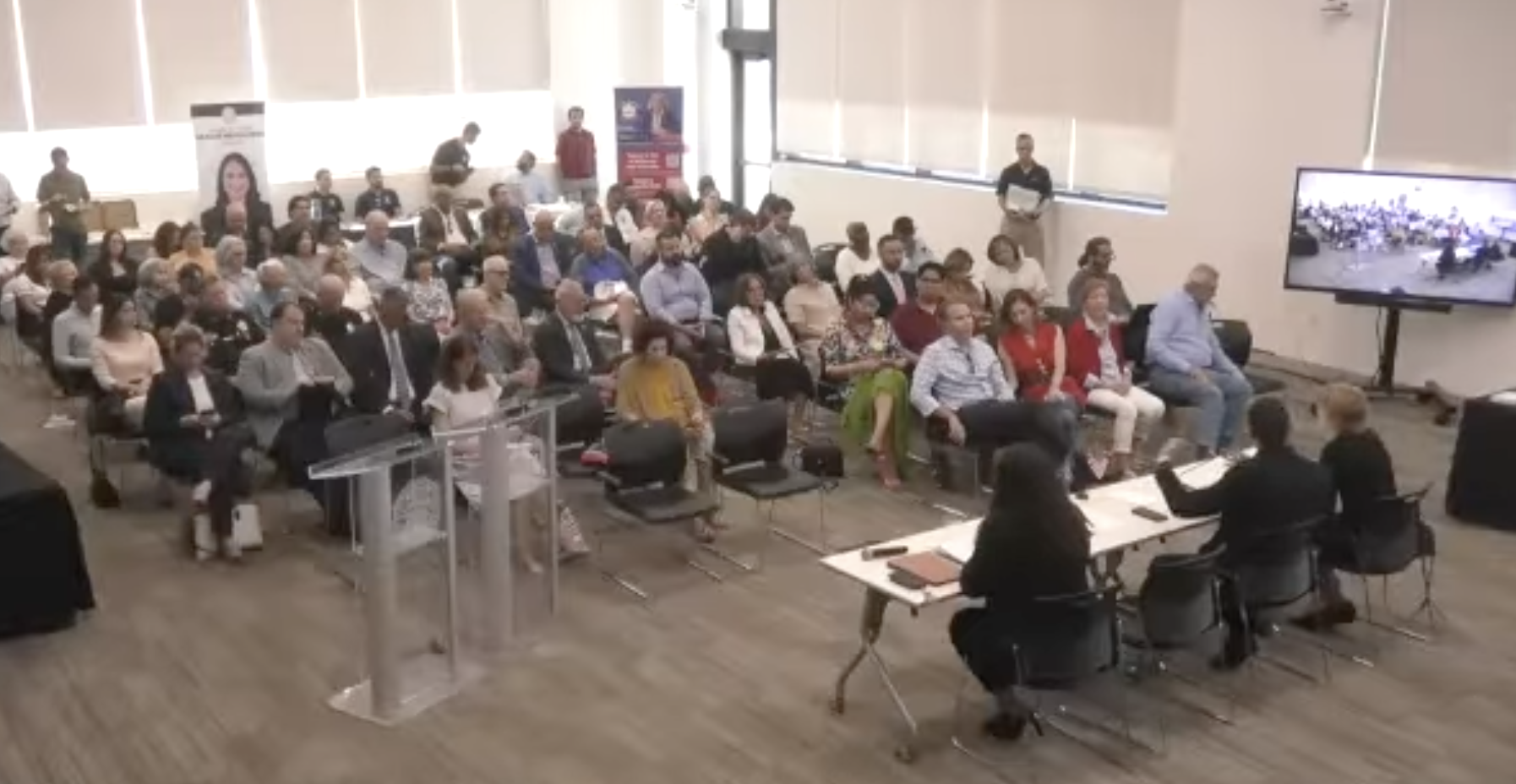 decision that you deem appropriate,” Lago told the audience of mostly city staff. He practically begged for questions.
Activist and commission candidate Tom Wells, who has spoken against the proposed election changes, because local candidates will have to compete with national messaging and it will provide incumbents with an advantage as well as discourage grass roots candidates.
“Your idea is an assault to democracy to have more voters,” Lago told him, citing his abuelos and his Cuban roots. “You should never be afraid to go before more voters.”
Referendum Three would allow commissioners (and charter officers) to remove members they appointed to advisory boards for any reason, without a commission vote. Coral Gables has some powerful boards — especially the Board of Architects and Planning and Zoning Board — that shape development decisions. A “yes” vote would make board members less independent and more, well, replaceable.
Efficiency or loyalty test? Depends on who’s doing the appointing.
Read related: Coral Gables puts election year change on the ballot — a mail-in only ballot
Referendum Four would formalize a Charter Review Committee every ten years starting in 2035. This is routine housekeeping — though in Coral Gables, even housekeeping can get political.
Referendum Five would authorize the city to contract for inspector general services to investigate fraud, waste and abuse — complete with subpoena power. Mayor Lago has long championed the idea as a way to restore trust amid years of allegations and  infighting. Ironically, the same commission has struggled to agree on whether oversight itself should be overseen. Voters get to break the tie.
Referendum Six would require voter approval for any pay increases beyond automatic cost-of-living adjustments. This is just campaign fodder for Lago and his lackeys, so they can keep smearing Castro and Fernandez for having the audacity (read: naïveté) as newbie electeds to raise their own salaries, which hadn’t been increased in years, from about $36,488 a year to $65,000. It was stupid to do without voter consent.
Kudos to Lago for turning it back to the old salary when he got the majority vote back last year. He just can’t let it go because it helps drive his smear campaign.
Also, nobody is going to make that mistake again. Part-time roles, full-time drama. Check.
Referendum Seven would eliminate runoff elections, allowing candidates to win with a simple plurality. Supporters say runoffs are expensive and turnout is abysmal. They pit democracy against the budget. Critics say winners should have majority support. “Requiring a vote of 50% plus one is a hallmark of a popular democracy,” Wells said at the town hall, during which he was repeatedly verbally attacked by the mayor, who is a bully like former Miami Commissioner Joe Carollo.
Referendum Eight would cement a requirement that the city maintain reserves equal to 25% of its operating budget — and require four of five commissioners to spend it. Think of it as locking the emergency piggy bank in a safe and throwing away most of the keys. Supporters call it fiscal responsibility. Opponents say it limits flexibility for major projects.
Menendez, the candidate, said he had voted against the reserves question as a member of the charter review committee because he didn’t know what would happen if the legislature passes deep property tax reform that would cut the city’s revenues. But the mayor assuage hs fears by saying that the manager can exercise his options to use the funds in an emergency.
Okay. But define emergency.
Read related: Coral Gables changes city elections to November, cuts terms by 5 months
This, again, is another one of Lago’s longtime beefs. Because Fernandez once suggested that the city dip into reserves to take care 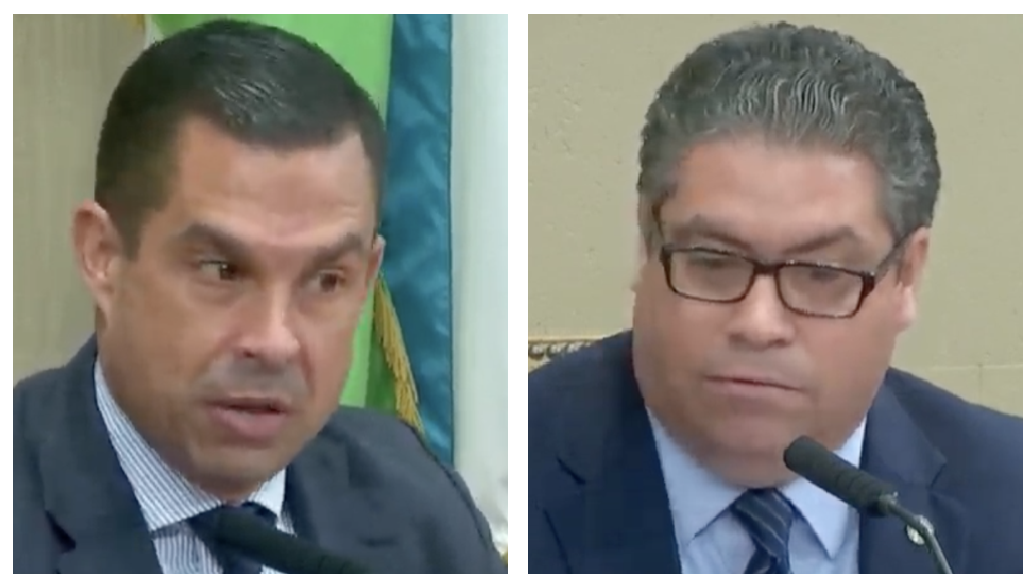 of some of the most pressing city infrastructure needs, like the renovation of historic monuments, Lago has used that moment of weakness as a lightning rod against Ariel and his allies. Lago went on and on and on about it at the town hall, which is forever memorialized on YouTube for all masochists.
None of these measures sounds very flashy on its own. No tax hikes. No bond megaprojects. No stadium deals.
But taken together, they would quietly rewrite how Coral Gables governs itself for decades. We are talking about when elections happen, how officials are paid, who controls boards, how corruption is investigated and how money is saved and spent. In short: who holds power — and how long they get to keep it.
All decided from kitchen tables and mail slots across the City Beautiful.
A mail election will certainly test voter engagement. Officials tout the system as secure, convenient and cost-effective.
Skeptics worry that too many voters will simply ignore the envelope, mistaking it for junk mail or putting it aside “for later.” And in a low-turnout municipal election, “later” often means never.
Because in Coral Gables this spring, democracy doesn’t show up at the polls. It arrives in an envelope.
This kind of independent, government watchdog reporting is crucial to transparency and democracy. And more so every day. Help shine a light on the darker corners of our community with a contribution to Political Cortadito. Click here. Ladra thanks you for your support.

Coral Gables voters to decide their city’s future — from their mailboxes at home added by Ladra on
View all posts by Ladra →