
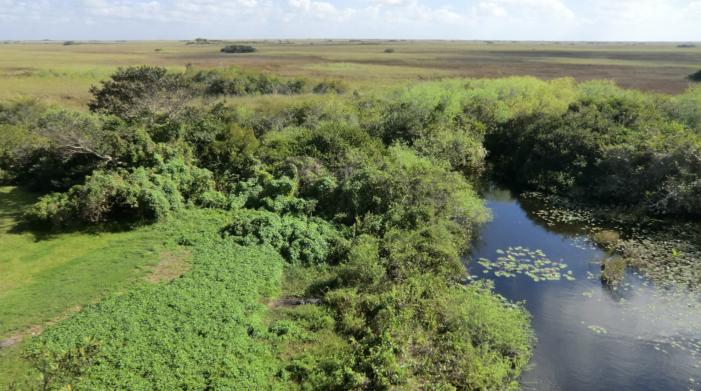
Miami-Dade has a line. It’s called the Urban Development Boundary. The idea is simple: inside the line, you build. Outside the line, you don’t — because that land is supposed to protect water, absorb floods, and keep the Everglades from becoming a memory.
In theory.
In practice, the UDB is more of a polite suggestion. And this week, the Miami-Dade County Commission is being asked once again to pretend the line doesn’t exist.
Read related: Lennar pitches 7,800 homes on 960 acres; monster ‘City Park’ project crosses UDB
On Thursday’s agenda sits a proposal from Kelly Tractor to carve a brand-new industrial empire out of 245 acres of protected wetlands just west of Sweetwater — firmly outside the Urban Development Boundary. The plan would create a custom-made 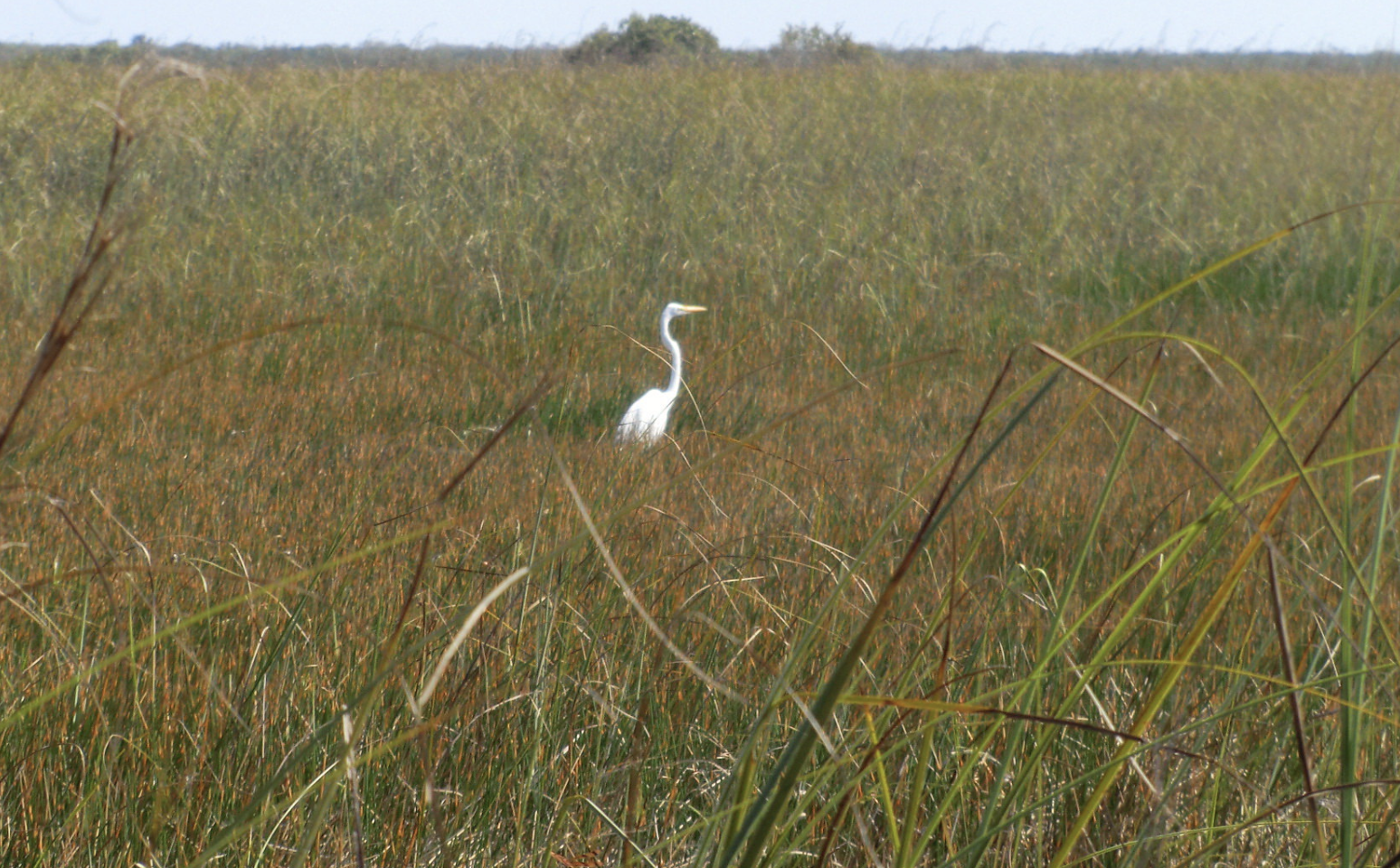 zoning category with a custom-made name — the “MIA Transportation and Infrastructure Support Area” — so the company can relocate its headquarters and build 2.2 million square feet of heavy-equipment facilities on land currently covered in water-loving prairie grasses and wading birds.
If approved, about 160 acres of functioning wetlands would be paved. In their place: 70-ton crane bays, fueling stations, truck washes, freight rail service, a helicopter pad, and parking lots.
On wetlands. Next to flood-prone neighborhoods. In a county that already floods.
County planning staff — who rarely stick their necks out — are recommending denial. In a rare display of institutional backbone, their report says the company has not shown why it can’t expand at its current industrial site, has not justified why it must leap outside the UDB, and has not explained why it should get special permission — and why the county should sacrifice wetlands that currently serve as natural flood protection and drinking-water recharge zones — when more than 700 acres of industrial land already exist inside the boundary.
They also note something else: these wetlands are not “degraded,” as the company’s consultants claim. The company, of course, says there is “no biological or hydrological function” of the site. But that is BS and they should be called out on it in chambers. A 2024 county survey found them intact and fully functional — part of the North Trail basin, one of the county’s best remaining wetland systems, critical for flood control and groundwater recharge.
Read related: Calusa project is back at Miami-Dade County — so is developer’s checkbook
It has been deemed an “intact wet prairie.” The kind that attracts endangered snail kites and rare wood storks. The kind that absorbs water when storms hit. The kind that keeps nearby neighborhoods from turning into indoor swimming pools.
Which matters, because just next door sits an 800-acre emergency drainage basin built after the No Name Storm flooded 90,000 homes. That’s not a coincidence. That’s hydrology. In other words, this is precisely where nature is still doing the job that concrete 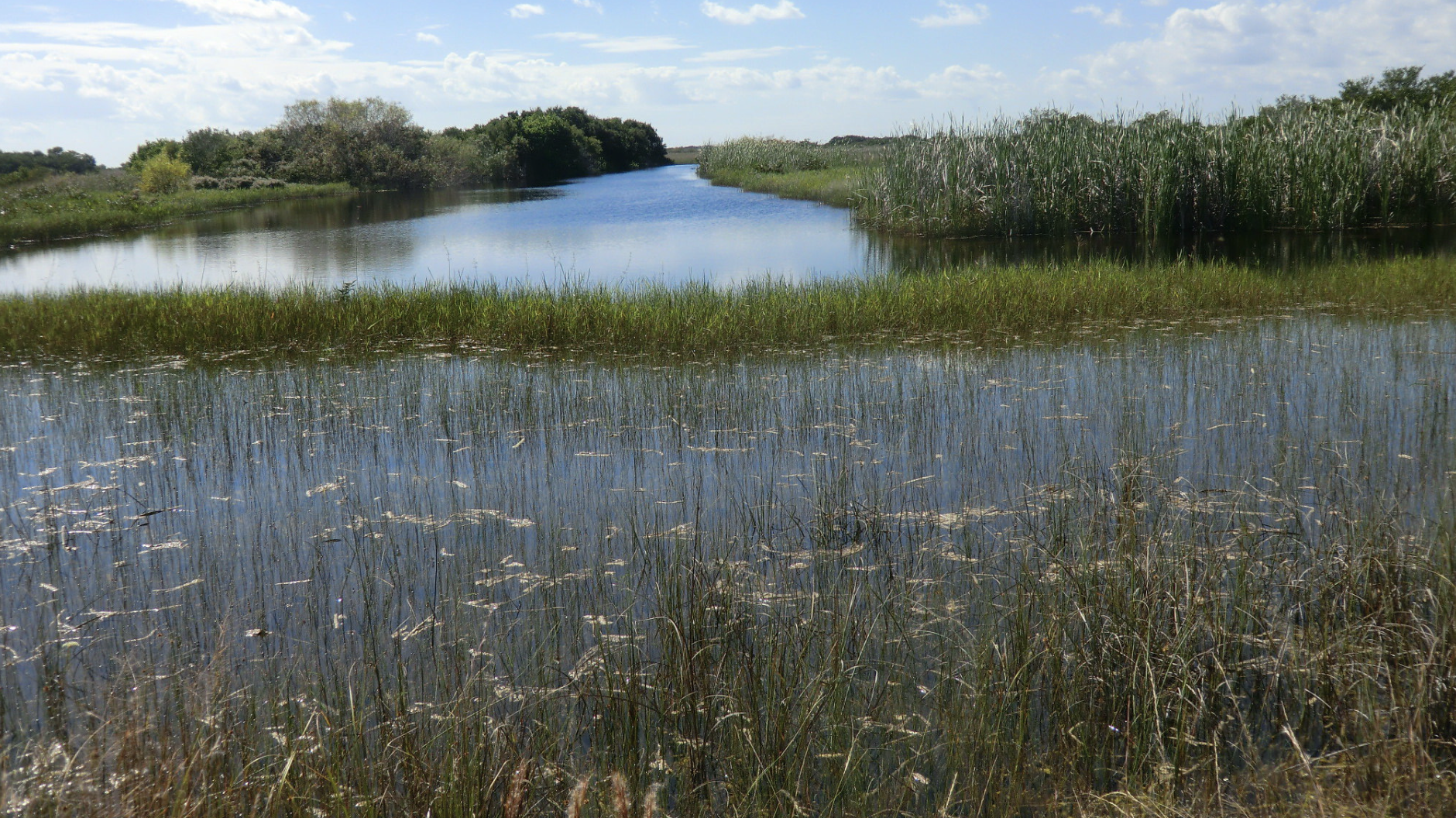 cannot.
Environmental advocates are blunt.
“People complain when it floods. Well, when it floods, this is the reason, Laura Reynolds of the Hold the Line Coalition told WLRN. “Sweetwater floods all the time, and these wetlands are part of the solution.”
But rather than seek a traditional land-use map amendment — which would require a higher bar of justification — Kelly Tractor is pursuing a text amendment to the county’s Comprehensive Development Master Plan. In plain English: rewrite the rules instead of following them. Create a “bespoke” land-use category tailored to one applicant, for one site, outside the line that was drawn specifically to stop exactly this.
“They’re saying we should bend over backwards and let them pave over 200 acres of wetlands,” Reynolds said. “Well, no. The CDMP says no.”
And yet, it’s up for a final vote.
Because in Miami-Dade, the Urban Development Boundary isn’t breached with bulldozers.
It’s breached with wording.
The CDMP and zoning meeting begins at 9:30 a.m. Thursday at County Hall, 111 NW First Street, and can be seen on the county’s website or their YouTube channel.
If you like what you read on Political Cortadito, please consider making a contribution to support the independent, government watchdog journalism on this website. Thank you!

Miami-Dade considers an industrial hub on 245 acres of protected wetlands added by Ladra on
View all posts by Ladra →
