
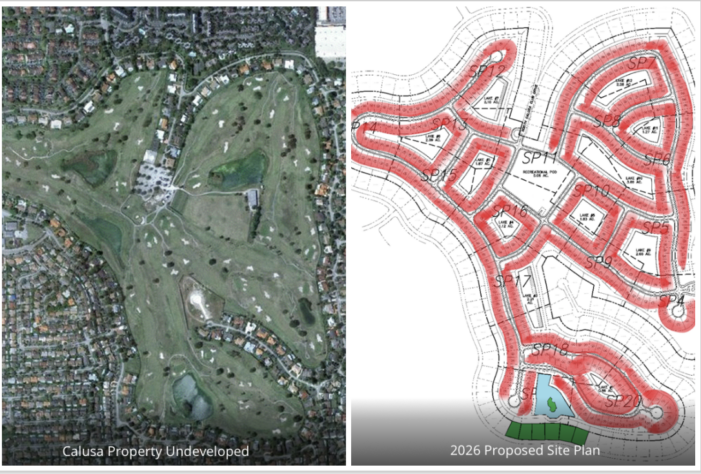
Remember when GL Homes started talking directly to residents in Calusa, promising to listen and find some way to compromise on its controversial development plans for the long abandoned golf course turned into an organic rookery?
Well, neighbors listened. They spoke. They showed up.
But in the end, it looks like that happy medium never quite materialized.
Read related: Calusa gets another reprieve — because the two sides are actually talking
Community leader Amanda Prieto, founder of Save Calusa, says she spent weeks meeting with residents — about 80 people at a Kendall Federation of Homeowners Association meeting, then more presentations to independent neighborhood associations — trying t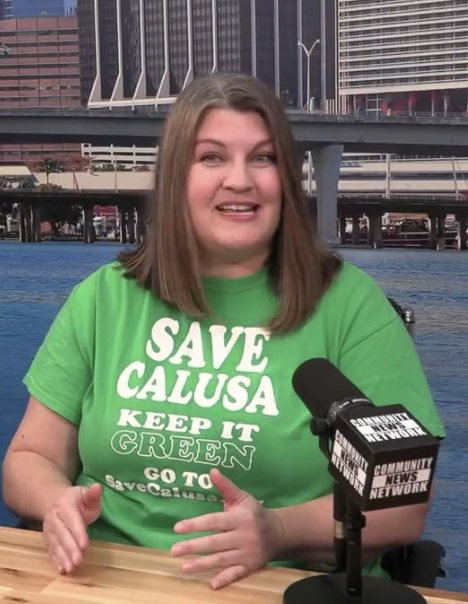 o bridge the gap between what the developer wants and what residents say their community can handle.
“It wasn’t realistic to ask for nothing,” Prieto told Political Cortadito. “I know that’s what many people wanted, but I asked them ‘Tell me why you can live with. We have an opportunity to make a better deal.'”
The revised plan now calls for 524 homes, which is basically them eliminating 16 more homes from the February number and a decrease of 26 homes in total from the plan four years ago. That’s all they could cut? And Prieto says that number still misses the mark for most neighbors.
Not by a little — by a lot.
“Traffic and density were mentioned by every single person I spoke to,” she said. “If I had to pick a number, it seems around 300 homes is what most could live with.”
That’s not a minor tweak. That’s a fundamentally different project.
And it’s not just about rooftops.
Residents also remain deeply concerned about protections for the rookery and surrounding habitat, an issue that has shaped this fight for years and forced closer scrutiny of the land’s environmental value.
The environmental group Tropical Audubon Society did sign a settlement agreement with GL Homes, securing legally enforceable rookery protections and habitat improvements. Prieto made clear that agreement did not include any monetary payout — a point she emphasized to avoid speculation.
But, after talking to residents, Save Calusa did not sign the deal — meaning it retains the right to appeal and challenge the project moving forward.
That alone tells you where the community mood stands.
Read related: KFHA brings Save Calusa fight to a public neighborhood forum Tuesday
Prieto says she had to decide whether to sign before knowing that GL Homes would ultimately execute the agreement with Tropical Audubon alone — a difficult call after years of pushing to get the rookery recognized and protected.
“Five years ago, nobody believed there was a rookery much less protected nesting,” she said. “I feel I represented my community well.”
She also credited Miami-Dade Commissioners Roberto Gonzalez, Danielle Cohen Higgins, Rene Garcia and Vicki  Lopez for pressing the developer to come back with more concessions after early resistance.
An interesting thing Prieto noted: Once commissioners started asking harder questions, concessions that had previously been described as “impossible” suddenly became, well, possible.
Funny how that works, huh?
“Suddenly, in seven days, you have a whole new plan with new landscaping and new buffers and everything,” Prieto told Ladra. “It was crazy, how fast it happened.”
Which brings us to the real decision point. The project returns to the Miami-Dade County Commission on Thursday, and commissioners now face the responsibility residents say belongs squarely to them: balancing development pressure with environmental protection and quality of life. Commissioners do not have to approve this.
That’s worth repeating: Commissioners do not have to approve this. That is why there is an application process. They have some discretion. “They are supposed to live in our community and represent our concerns,” Prieto said.
They could ask for a cap of 300 homes. Imagine that.
Prieto says she plans to tell commissioners she is disappointed a stronger agreement wasn’t reached — and that Calusa could have been a model for how community input shapes development.
Instead, residents are still asking for what they’ve been asking for all along: Less density. More green space. Real traffic relief.
Not promises — results.
Maybe they’ll let her talk. Maybe they won’t. Chairman Anthony Rodriguez said the last time the commission heard this application that there would not be another chance for public comment. There would be, of course, no matter what he says, if the project came back with significant changes. But it doesn’t appear to be coming back that way.
Prieto has urged her neighbors to come anyway and wear their signature green shirts. “To show them we’re not going anywhere.”
Read related: No votes, no vote: GL Homes’ Calusa development kicked down the fairway
Here’s what commissioners should remember from the last comments:
-
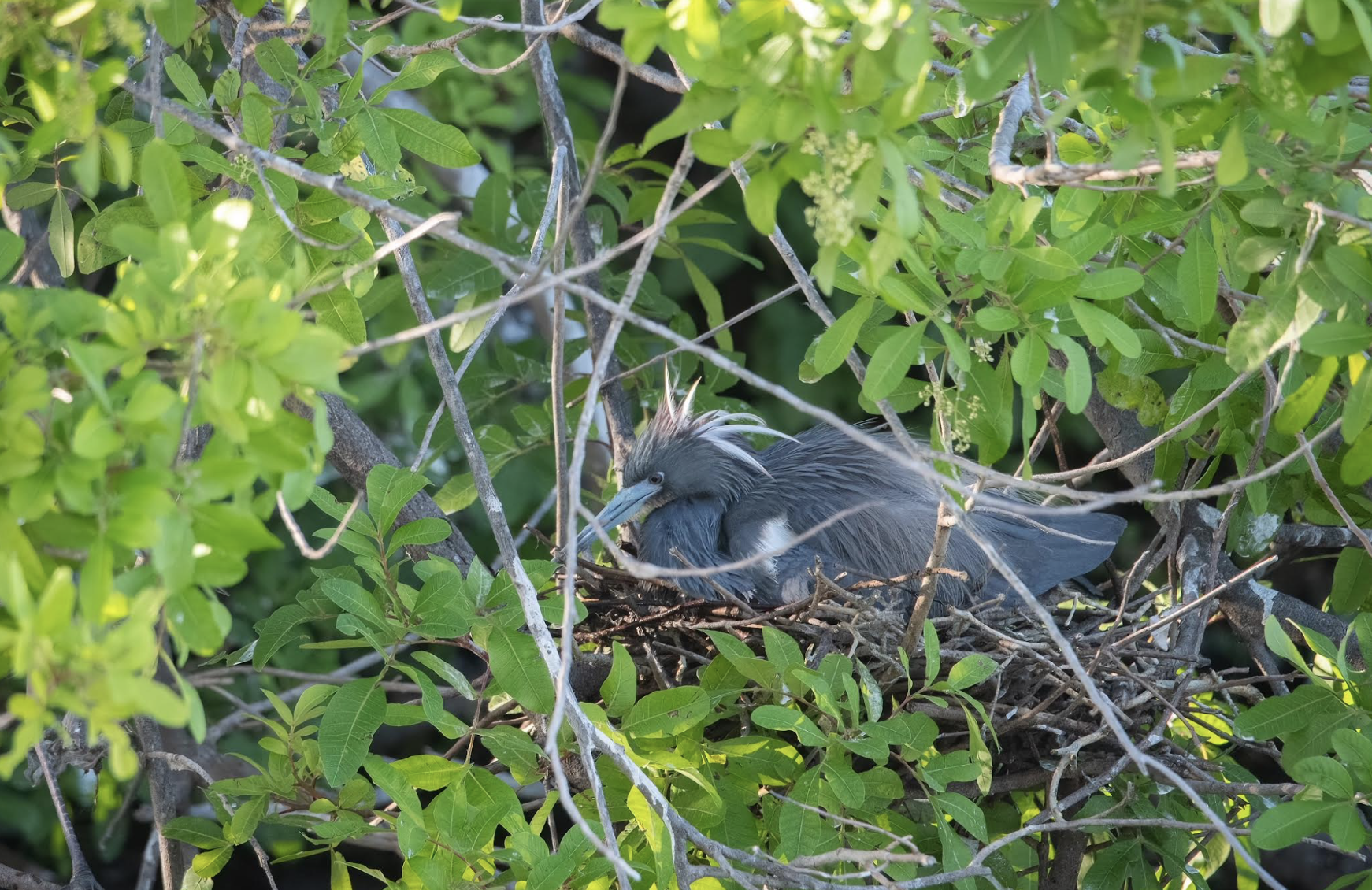
Photo by DV Nature Photography This is not going to be “affordable” housing, not by a long shot.
- The area is already flooded with traffic.
- There was a 99-year covenant that was “bought” out by greed.
- This developer has lied before and not acted in good faith.
- The safeguards for the rookery are not nearly enough.
Actually, they’re not even the bare minimum.
GL Homes went ahead and moved the line of their development from 100 feet from the rookery to “around” the 330 foot buffer recommended by the Florida Fish and Wildlife Commission to protect nesting, wading birds. And they’re measuring from the last known nest — not from the edge of the rookery or lake.
The 330 foot buffer should have been the starting point of the negotiations. FWC Chair Rodney Barreto wrote in an op-ed for Community Newspapers last week that wading birds need “at least 300 feet” distance for protection.
Unless your name is GL Homes. Because they granted a permit for 100 feet. GL Homes went longer to get the Audubon Society to sign off.
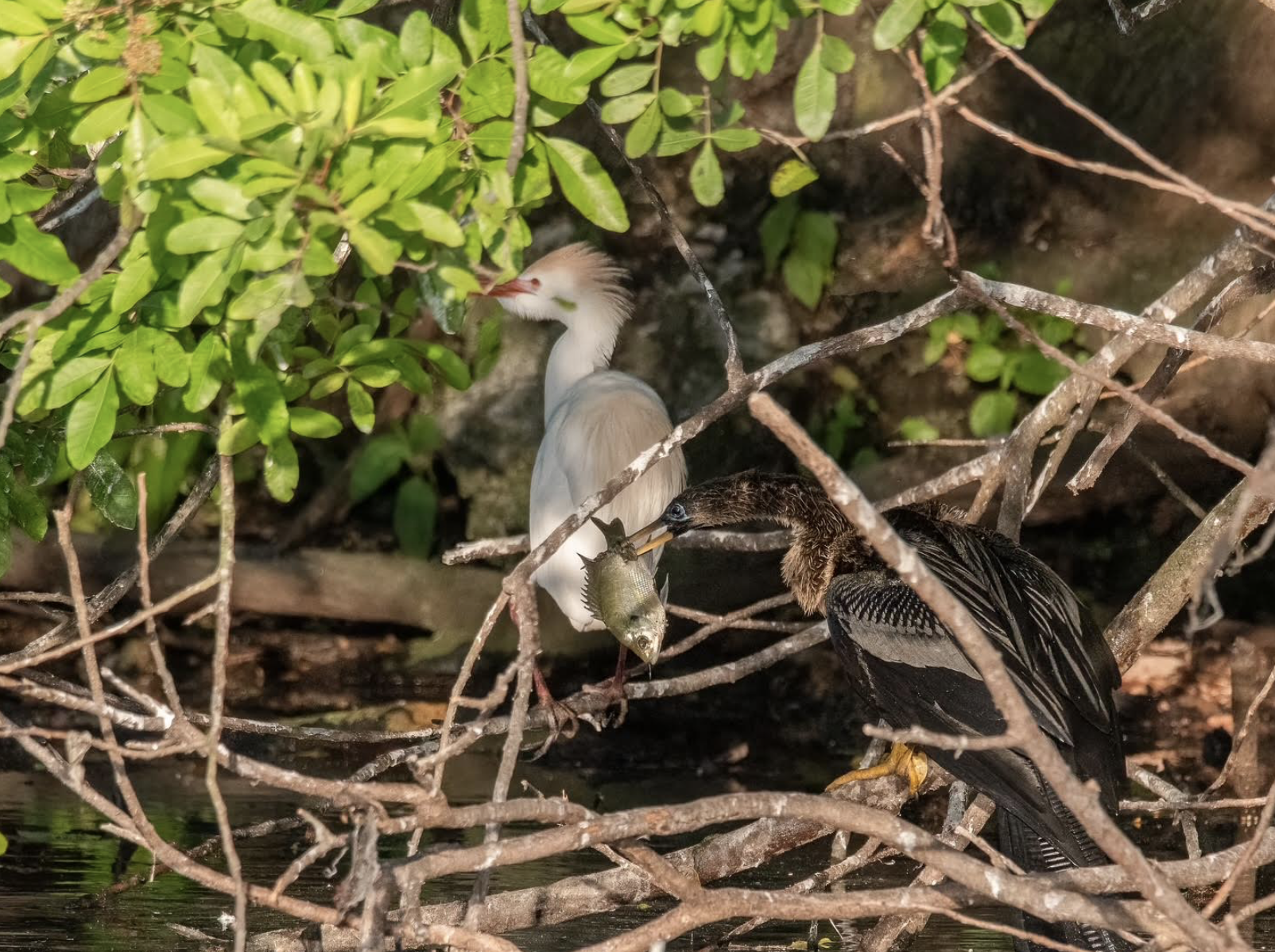
This week, a residents captured photos of a protected tri-colored heron sitting on a nest.
So, while the talks may have ended with the residents, commissioners can still push for more concessions. And if there’s one lesson from this five-year fight, it’s this: When commissioners push, developers move.
So residents are hoping that when this comes back to the dais this week, commissioners remember what they’ve been hearing in meeting after meeting — that this isn’t just another zoning case. It’s about whether growth happens with communities or to them.
Because if 524 homes is still the number on the table, and residents are saying 300 is the ceiling they can live with, then the question isn’t whether the community has spoken. It has.
The question now is whether commissioners are listening.
The Miami-Dade County Commission’s Comprehensive Development Master Plan and Zoning meeting begins at 9:30 a.m. at County Hall, 111 NW First St., and can be seen on the county’s website or on it’s YouTube Channel.
This kind of independent, government watchdog reporting is crucial to transparency and democracy. And more so every day. Help shine a light on the darker corners of our community with a contribution to Political Cortadito. Click here. Ladra thanks you for your support.

Calusa compromise falls short; GL Homes wants 524; residents say 300 tops added by Ladra on
View all posts by Ladra →
