
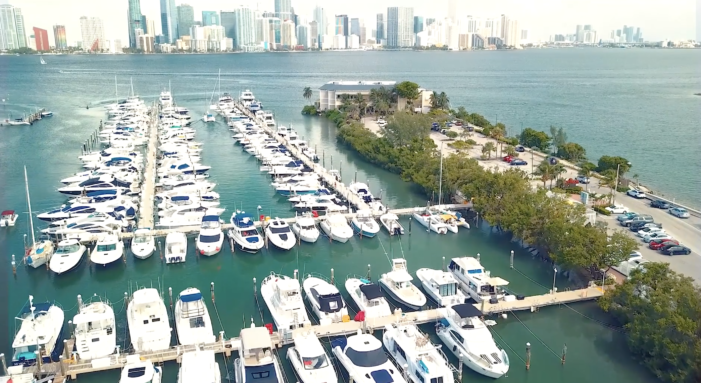
The City of Miami Commission is expected to vote Thursday on whether to place a massive Virginia Key marina redevelopment deal before voters in November.
And if this sounds familiar, that’s because it should. Voters rejected a similar proposal in 2021 by 52%.
This new proposal dates back to an era when Tomas Regalado was still at City Hall, the Miami Freedom Park saga was still in its infancy, nobody had ever heard of COVID-19, and Ed Sheeran’s “Shape of You” was the number one song. Really.
Yet here we are in 2026, preparing to ask voters to approve a waterfront deal based largely on bid terms crafted nearly a decade ago.
Welcome to Miami.
Read related: Miami commissioners spar over juicy marina contract that goes to voters
The item would place a referendum on the November ballot asking voters to approve a lease of approximately 27.62 acres on Virginia Key to Virginia Key, LLC, a joint venture between Miami Beach-based RCI Marine Group and Dallas-based Suntex Marinas. The deal includes a 45-year initial lease term, two additional 15-year renewal options, a guaranteed rent stream projected at roughly $204 million over the initial term, plus a 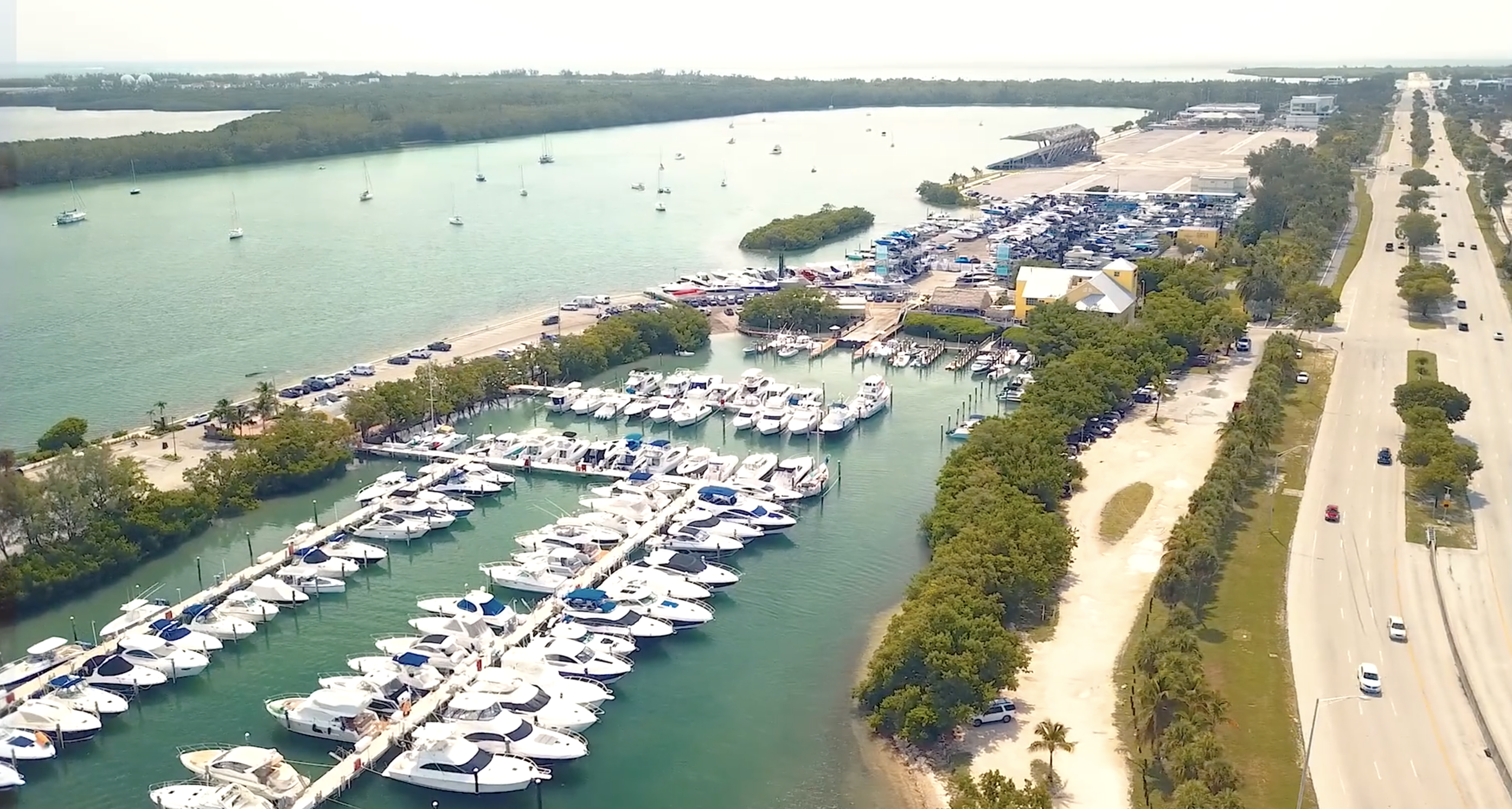 percentage of revenues, and an estimated $80 million private redevelopment of the Rickenbacker and Marine Stadium marinas.
Sounds great, right? Well, maybe.
The problem is that commissioners are being asked to approve a deal frozen in legal amber. After years of litigation, court rulings and appeals, the city finds itself in the awkward position of having far less flexibility than it normally would during negotiations. The procurement process that produced Virginia Key LLC as the winning bidder has already been litigated extensively. The city lost. Repeatedly.
In 2024, Miami-Dade Circuit Judge Alan Fine ruled that the city had acted arbitrarily in rejecting the procurement results and ordered the city to move forward with Virginia Key LLC’s proposal — including submitting the lease to voters because it is for waterfront property, and all leases for waterfront property must be approved by voters.
Which means the commission isn’t really debating a fresh deal negotiated in 2026. It’s debating a deal negotiated under assumptions, costs, market conditions and political realities from 2017.
That’s what makes Thursday’s discussion so fascinating.
Commissioners love community benefits. They love workforce provisions. They love affordable housing requirements, local hiring provisions, environmental commitments, minority participation goals, public amenities and ribbon-cutting opportunities.
Read related: Miami Mayor Eileen Higgins wants a half a billion dollars for public safety
But according to multiple people familiar with the litigation, the city can’t simply start bolting new conditions onto the agreement because commissioners suddenly discovered new priorities nine years later.
The whole reason the city ended up in court was because it kept trying to change the rules after the game was over. So now commissioners are left 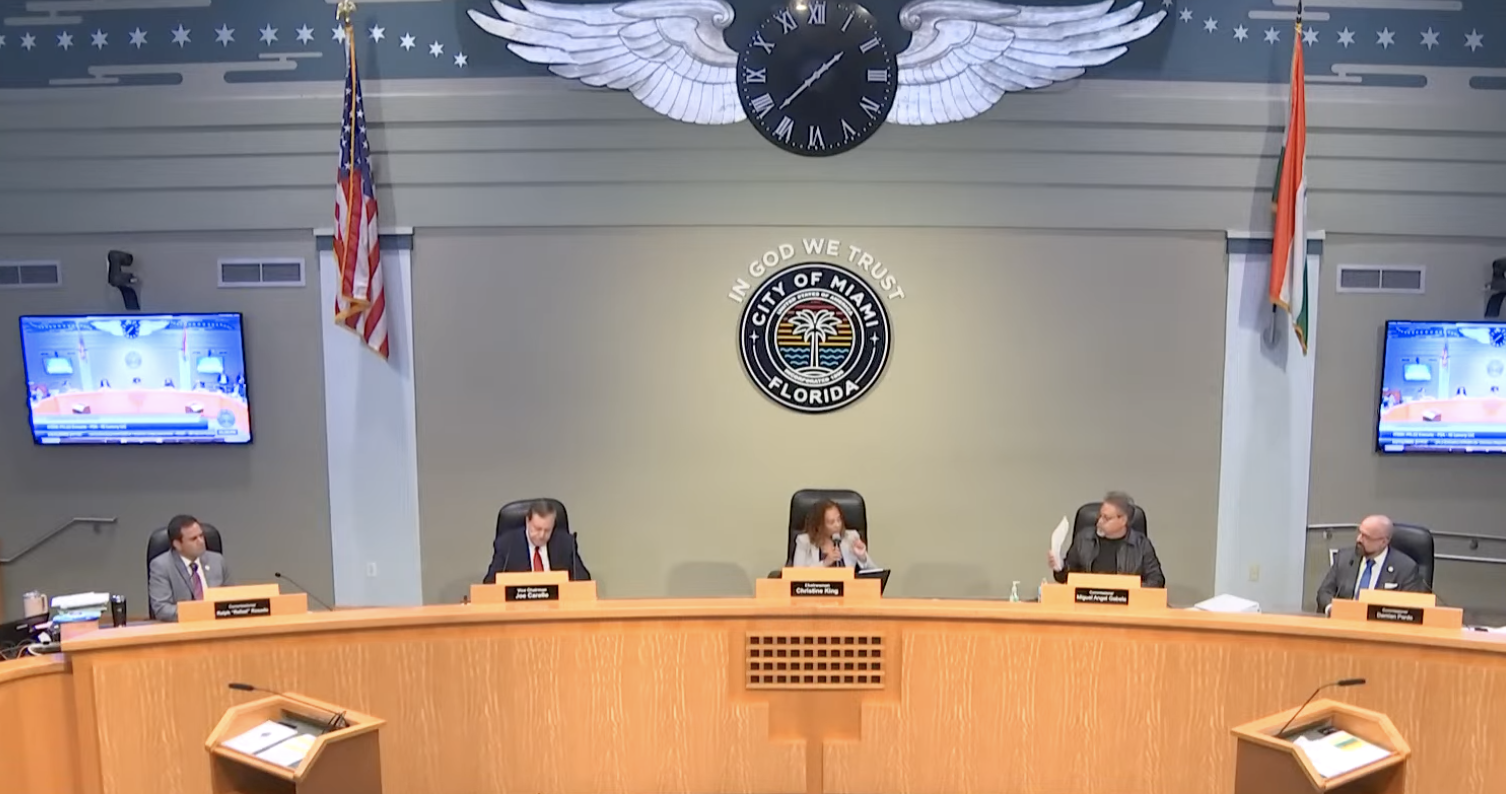 with a choice that feels very Miami: Approve sending a decade-old deal to voters largely as negotiated, or risk wandering back into the legal swamp that produced years of lawsuits in the first place.
The irony is rich. For years, City Hall delayed making a decision. Now City Hall’s biggest complaint may be that it no longer gets to make one.
Expect commissioners to ask tough questions Thursday. Expect speeches about protecting taxpayers. Expect concerns about public access, environmental protections and community benefits.
But the question hanging over the meeting is much simpler: If the courts have already determined that Virginia Key LLC won the procurement process, how much room does the city really have left to negotiate?
Because the item headed to the ballot isn’t a shiny new deal crafted for 2026. It’s yesterday’s deal arriving ten years late.
So, maybe the only ones that can save Miami from itself is the voters. Because if the referendum is rejected, then the city may be able to start from scratch.
Even though voters rejected the development plan from his company, Biscayne Marine Partners, Aabad Melwani, kept running the marina away.
 Melwani, who did not return a call from Ladra, is one of those fascinating Miami characters who is simultaneously an operator, a litigant, a businessman, and a political survivor.
The first thing to know is that he is not some outside developer who suddenly appeared looking to cash in on Virginia Key. His family has operated the marina since 1983, when his father, Ram Melwani, acquired the leasehold from the City of Miami. Aabad grew up in the business, worked as a dock hand, eventually attended law school, and took over management after his father retired in 2006.
The second thing to know is that the Melwanis have been fighting City Hall for what feels like half their existence.
Read related: Judge dismisses amended corruption complaint against Miami’s ADLP
If you talk to Melwani and his supporters, they’ll tell you that the family has operated the marina for more than four decades. They’ve survived hurricanes, recessions, and multiple city administrations. They’ve invested millions into the facility over the years. They know the marina better than any outside bidder. The city repeatedly tried to push them out despite their long record as operators.
That has always been the core of Melwani’s political pitch: Why replace the people who have successfully run the marina for 40 years?
Critics see it differently. To them, Melwani is the beneficiary of a lease that has lasted decades on one of the most valuable pieces of waterfront property in Miami. They argue that public assets should periodically be put out to competitive bid and that no operator should have a perpetual inside track simply because they’ve been there a long time.
This is also the same contract that came under scrutiny during a civil lawsuit against former Commissioner Alex Díaz de la Portilla from a lobbyist who says he was shaken down for a vote on a city contract. The judge ruled that the former commissioner has “legislative immunity” for his actions.
Political Cortadito can only exist with the financial support from readers like you. If you like what you read here, please consider making a contribution to support the independent, government watchdog journalism on this website. Click here. Ladra thanks you!

Back to the future: Miami to sell voters a 10-year-old Rickenbacker Marina deal added by Ladra on
View all posts by Ladra →
